By Chioma Obinna
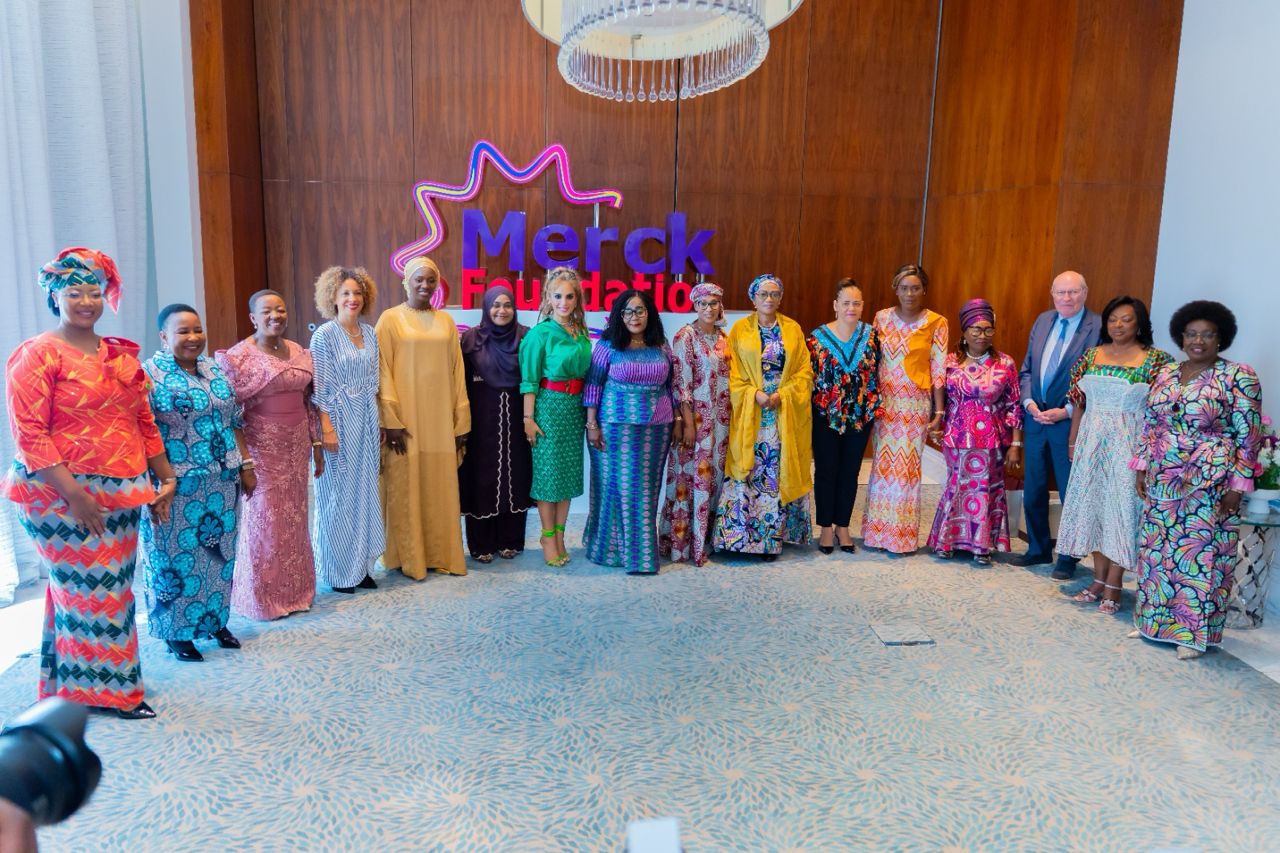
To tackle the growing cancer crisis marked by high death rates and severe shortage of specialists, the Merck Foundation, in partnership with African First Ladies, has awarded 258 oncology scholarships to healthcare professionals across 34 countries in a major push to strengthen cancer care.
The Chief Executive Officer of Merck Foundation, Senator Dr. Rasha Kelej, disclosed this while marking World Cancer Day 2026, stressing that the initiative aims to tackle late diagnosis and build sustainable cancer treatment capacity across Africa and parts of Asia.
Kelej described the shortage of trained oncologists as one of the continent’s most dangerous healthcare gaps, noting that the scholarships are helping to create multidisciplinary cancer care teams capable of detecting and treating cancer early.
“At Merck Foundation, we address one of the most critical gaps in cancer care in Africa, which is late diagnosis and the shortage of trained specialists. Together with African First Ladies, we have provided 258 oncology scholarships, significantly increasing the number of trained oncologists and multidisciplinary cancer care teams,” she said.
She explained that several African countries previously had no trained oncologists until the intervention began.
“Together, we have trained the first-ever oncologists in countries like The Gambia, Sierra Leone, Burundi, Liberia, Guinea Conakry, Central African Republic, Chad, and Niger, creating homegrown cancer care capacity that will benefit generations to come,” she stated.
The participating countries in the programme include Botswana, Burkina Faso, Burundi, Cameroon, Central African Republic, Chad, Congo Brazzaville, Democratic Republic of the Congo, Ethiopia, Gabon, The Gambia, Ghana, Guinea, Kenya, Liberia, Malawi, Malaysia, Mauritius, Mozambique, Namibia, Nepal, Niger, Nigeria, Rwanda, São Tomé and Príncipe, Senegal, Sierra Leone, South Africa, Sri Lanka, Tanzania, Togo, Uganda, Zambia and Zimbabwe.
Kelej emphasised that early detection remains the strongest weapon against cancer globally.
“Nearly two-thirds of cancer cases can be successfully treated when diagnosed early, and up to one-third can be prevented by reducing key risk factors such as exposure to radiation, certain infections, and lifestyle-related causes,” she said.
She added that the foundation’s World Cancer Day activities extend beyond awareness campaigns to sustained healthcare investment.
“We mark World Cancer Day not just symbolically but through sustained action. Behind every scholarship is a human story – a young doctor empowered to save lives in their own country and a patient who no longer has to travel abroad for treatment,” she said.
To deepen public awareness, the foundation also launched a children’s storybook and an animated film titled Ray of Hope, both focusing on childhood cancer awareness and early warning signs.
“The story deals with childhood cancer and highlights the critical importance of early detection and access to well-trained cancer care teams capable of recognising early warning signs,” Dr. Kelej explained.
“I am especially proud of our ‘Ray of Hope’ storybook which is helping children, families, and communities understand that prevention and early detection can save lives. These small but powerful steps are shaping a culture of awareness and hope.”
She added that the foundation has so far awarded over 2,500 scholarships to healthcare professionals from 52 countries across 44 critical and underserved medical specialties.
According to her, the programmes are being implemented through Merck Foundation’s Cancer Access Programme in collaboration with African First Ladies and Ministries of Health across the continent.
She noted that the global observance of World Cancer Day, themed “United by Unique,” highlights the need to place patients at the centre of cancer care.
“This year’s theme reminds us that cancer care must recognise the unique needs of every patient. We urge people to act early, get screened, and embrace prevention,” she said.
Supporting the initiative, the World Health Organisation Regional Director for Africa, Dr. Mohamed Janabi, warned that cancer is rapidly becoming one of Africa’s leading public health emergencies.
“Cancer is no longer a silent crisis in Africa but a growing public health emergency that demands urgent, equitable and sustained action,” Janabi said.
“In the WHO African Region, cancer is becoming one of the leading causes of premature death. Each year, more than one million new cases are diagnosed and nearly one million people lose their lives to the disease.”
He said the high mortality rate is largely driven by late diagnosis, limited treatment access, and fragile health systems.
“Behind these numbers are mothers, fathers, children, and young people whose lives are cut short not because solutions do not exist but because access to those solutions remains unequal,” he said.
Janabi further warned that the impact of cancer goes beyond health, affecting economic and social development across the continent.
“Cancer is not only a health issue. It is also a development challenge. It strains families, weakens health systems, and undermines economic progress. The burden falls disproportionately on those with the least access to early detection, timely treatment, and financial protection,” he added.
The Merck Foundation reaffirmed its long-term commitment to transforming cancer care and improving patient outcomes across Africa, stressing that building local specialist capacity remains key to reducing avoidable deaths and ensuring sustainable healthcare systems across the continent.
Disclaimer
Comments expressed here do not reflect the opinions of Vanguard newspapers or any employee thereof.