By Ibrahim Hassan-Wuyo
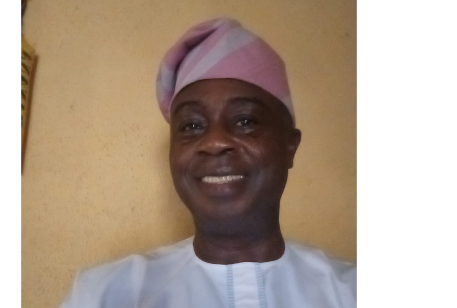
Kaduna — For many writers, creativity is cultivated in classrooms and libraries. But for Noah Ebije, a correspondent with The Sun Newspapers in Kaduna, the roots of his literary voice lie in the quiet rhythms and hardships of rural life in Kogi State.
Ebije shared his journey at the launch of his two literary works — a poetry collection and a play — during the 2025 Press Week of the Nigeria Union of Journalists (NUJ), Kaduna State Council. The event highlighted how his upbringing in underserved communities shaped both his worldview and his creative expression.
Childhood Without Amenities
Recounting his early years in a remote settlement in the late 1960s and early 1970s, Ebije described a childhood marked by the absence of basic amenities such as healthcare facilities, motorable roads, electricity, and clean drinking water. Daily life revolved around farming, hunting, and traditional crafts, while moonlit evenings were filled with folktales that quietly nurtured his imagination.
Those formative experiences now echo through his poetry, which he says draws deeply from the simplicity and imagery of village life. Childhood days spent working on palm and plantain plantations later became metaphors for his academic journey — one in which Literature in English felt instinctive, even when conventional English studies proved challenging.
“Poetry, like plantain plantations, came naturally to me. The book reflects the simplicity, rhythm and imagery of rural life that shaped my worldview,” he said.
A Play Rooted in Shared Struggles
His second work, a play titled Mosquitoes Sucked Their Blood for Five Years, revisits the ordeals of secondary school boarding students who endured relentless mosquito infestations in a forest-fringed school between the late 1970s and early 1980s. Frequent malaria episodes forced students to travel long distances for treatment, disrupting their studies and testing their resilience.
Reviewing the play, Stephen Adinoyi, Chairman of the Association of Nigerian Authors (ANA), Kaduna State Chapter, said the work transcends a simple school narrative, offering an allegory of societal endurance amid prolonged socio-economic hardship.
He observed that the characters evoke parallels with Animal Farm, the classic political allegory by George Orwell, where storytelling mirrors broader political and social realities.
Celebrating Rural Influence on Literature
The book presentation, organised in collaboration with the NUJ Press Week, celebrated Ebije’s emergence as a creative writer and underscored the enduring influence of rural experiences in shaping voices that speak to collective struggles and shared humanity.
Observers at the event noted that his works not only document personal history but also amplify the resilience of communities often overlooked in mainstream narratives, reinforcing literature’s role as a bridge between lived experience and social reflection.
Disclaimer
Comments expressed here do not reflect the opinions of Vanguard newspapers or any employee thereof.