By Ebele Orakpo & Lamidi Bamidele
The Executive Director of Media Career Development Network, Lekan Otufodunrin, has urged journalists to be factual and precise in their reportage to contribute to national development.
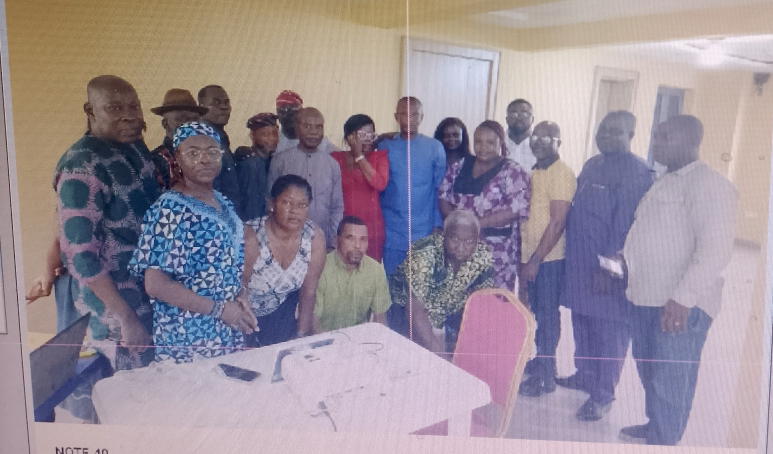
He gave the charge at a capacity-building workshop titled: Precision Journalism and Data-Driven Reporting organised by the Nigeria Union of Journalists (NUJ), Lagos State Council at the weekend in Lagos.
Otufodunrin, who is described data/precision journalism as accountability journalism, explained that data-driven reporting involves collecting, analysing and interpreting data to enhance transparency and deepen public understanding of issues.
He emphasized the need for journalists to verify data before using it, asking: When was the data collected? Who collected it? That is where bias comes in?
“Where you are unable to obtain the most recent data, ensure you state the date of the data so as not to misinform the public.”
Speaking on the importance of precision and data-driven journalism, the media development specialist said it increases reporting accuracy and depth by using quantitative data to verify facts and analyse complex issues.
“It strengthens investigative and accountability reporting, helps journalists explain complex issues such as budgets, elections, health, climate and education; supports evidence-based discourse, counters propaganda with facts and monitors public service delivery,” he said.
Otufodunrin noted that many reporters lack specificity in their reporting. For instance, some reports broadly claim that “Nigerians are fraudsters.” Data-driven journalism, however, goes beyond the surface to ask critical questions: What exact percentage are fraudsters? If only one million out of over 200 million people are involved, that represents less than 0.5 percent of the population.
Addressing how to gather data when it is unavailable from government agencies, public records, or international organizations, he highlighted the value of documents provided at events and press conferences. He regretted that such valuable materials are often discarded once a story is filed. To counter this, he advised newsrooms to appoint a coordinator to whom reporters can submit these documents for storage and future reference.
He also identified poor access to reliable data, limited technical skills, and institutional resistance to transparency as major challenges facing precision journalism.
In his welcome address, the Chairman of the NUJ Lagos State Council, Comrade Adeleye Ajayi, thanked Mr. Otufodunrin for facilitating the training on such short notice. Recounting how the precision and data-driven journalism he studied in school helped his own career, Ajayi urged participants to apply the knowledge gained. He further promised that the council would continue to organize similar capacity-building workshops.
Disclaimer
Comments expressed here do not reflect the opinions of Vanguard newspapers or any employee thereof.