By Peter Duru, Makurdi
The Institute for Peace and Conflict Resolution (IPCR) has intensified efforts to strengthen Nigeria’s conflict prevention architecture with a strategic engagement of Conflict Early Warning and Early Response stakeholders in Benue State under the UK-funded Strengthening Peace and Resilience in Nigeria (SPRiNG) project.
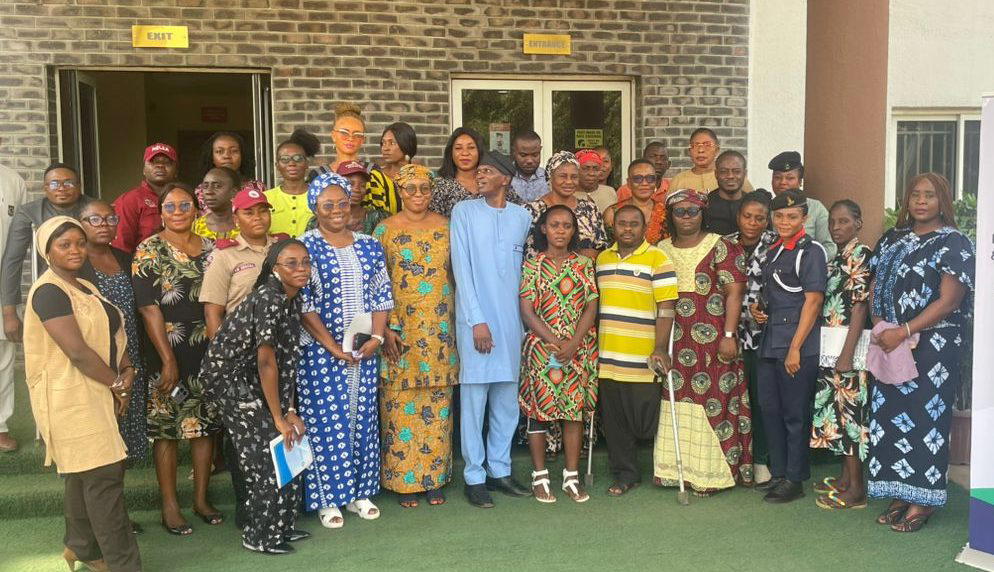
The engagement brought together Community-Based Reconciliation Committees (CBRC), Conflict Early Warning and Early Response Groups (EWRGs), Gender Focal Persons (GFPs), selected Persons with Disabilities (PWDs), government response agencies, faith-based organisations and community representatives from Makurdi, Otukpo and Guma Local Government Areas.
Welcoming participants, the Director-General of IPCR, Dr. Joseph Ochogwu, described the meeting as a demonstration of collective resolve to enhance the effectiveness of the National Conflict Early Warning and Early Response System (NCEWERS).
“This engagement reflects our shared commitment to strengthening the effectiveness of Nigeria’s Conflict Early Warning Early Response System through enhanced collaboration among international and national partners, sub-national government institutions, non-governmental organizations, and grassroots actors,” Ochogwu said.
He stressed that cooperation among stakeholders remained essential for effective conflict prevention, social cohesion and the promotion of sustainable peace in Benue State and across Nigeria.
According to him, the complex and intersecting conflicts affecting communities in the state require strong coordination and timely monitoring of conflict indicators.
“As the Federal Government agency mandated to promote peace and conflict resolution in Nigeria, IPCR remains committed to advancing partnerships that support peacebuilding initiatives nationwide,” he added.
The SPRiNG project, funded by the United Kingdom’s Foreign, Commonwealth and Development Office (FCDO) and implemented by IPCR in partnership with the Conflict Research Network West Africa (CORN–West Africa), is currently being executed in Benue, Plateau, Katsina and Kaduna states.
Dr. Ochogwu noted that the Benue engagement was deliberately designed to mainstream gender and social inclusion into NCEWERS in order to change the trajectory of conflict prevention in Nigeria.
“It is our collective responsibility to foster inclusive participation from the grassroots to the national level to build a peaceful society for present and future generations,” he stated, while appreciating the financial support of the FCDO and the partnership of SPRiNG and CORN–West Africa.
Providing an overview of the project, facilitator Mr. Obidi Anagba explained that SPRiNG is aimed at strengthening Nigeria’s capacity to prevent and respond to violent conflicts through enhanced technology-driven early warning and early response mechanisms under the NCEWERS framework hosted by IPCR.
He said the project was designed to enable real-time collection, integration and analysis of conflict data, including geospatial mapping and trend analysis, to improve coordination among security agencies, government institutions and community-based actors for early identification of emerging threats and more effective response actions.
Anagba added that the rising incidence of violent conflicts in many communities, largely driven by climate change, environmental degradation and competition over scarce natural resources, underscored the urgency of building a responsive and inclusive early warning system.
As part of the capacity-building component, facilitators conducted training on Gender Indicator Monitoring and Reporting for Early Warning and Early Response, peacebuilding and social cohesion for women and Persons with Disabilities in Benue State.
Facilitator Steve Agbo, who presented an overview of the NCEWERS framework and inclusive Early Warning and Early Response systems, said the training aimed “to strengthen the knowledge, skills and institutional capacity of gender focal persons and persons with disabilities to effectively mainstream gender and social inclusion into NCEWERS for enhanced, inclusive and sustainable conflict prevention and response.”
He also emphasized the need to move “from monitoring to early response.”
Another facilitator, Charity Yavala, took participants through sessions on Gender, Disability and Social Inclusion (GEDSI) in peacebuilding, gender and disability indicators in early warning systems, and the roles of Gender Focal Persons and inclusive community monitors, reinforcing the importance of inclusive participation in building sustainable peace in Benue State.
Disclaimer
Comments expressed here do not reflect the opinions of Vanguard newspapers or any employee thereof.