By Adeola Badru
Adolescents and young people, particularly girls and youths living with disabilities, face significant challenges in accessing sexual and reproductive health (SRH) services, a non-governmental organisation has highlighted.
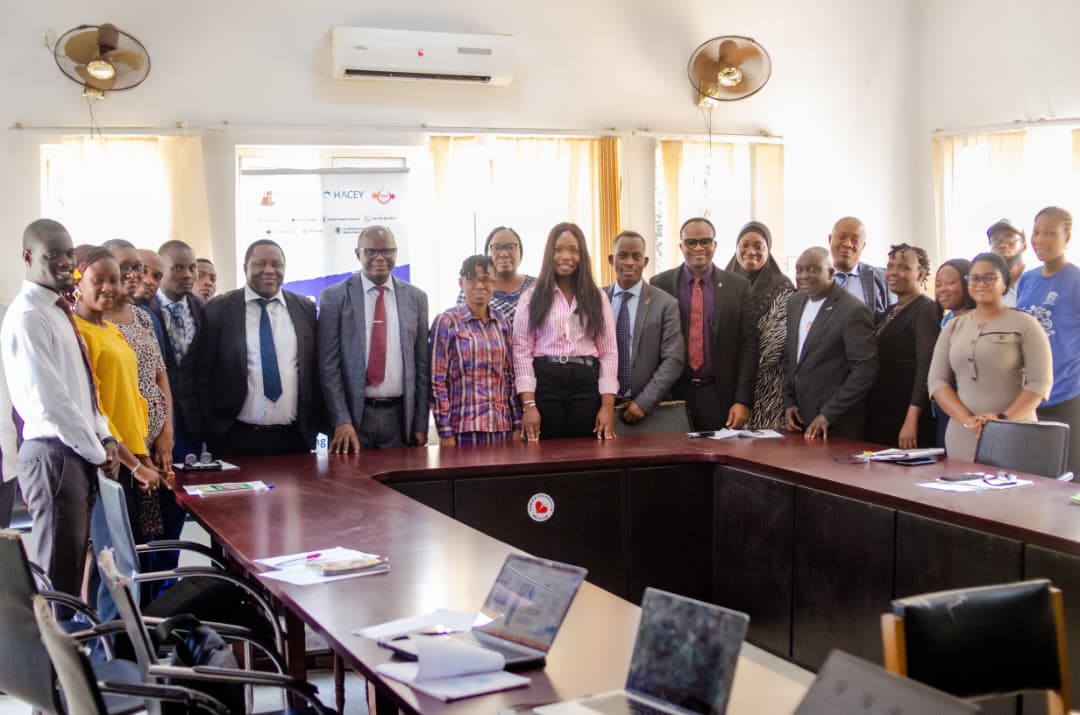
The concern was raised during a two-day capacity-building workshop themed “Improving Adolescents and Young People’s Access to Right-Based Inclusive Gender-Sensitive Sexual and Reproductive Health and Rights (SRHR).” The event was organised by HACEY in collaboration with the Oyo State Ministry of Health and held at the Ministry’s Conference Room, Secretariat, Ibadan.
The workshop brought together civil society organisations (CSOs), community-based organisations (CBOs), and NGOs to strengthen their capacity to advocate for and deliver youth-friendly SRHR services.
Speaking at the event, SRHR Consultant at HACEY, Mrs. Opeyemi Makanjuola, highlighted major gender and structural barriers limiting adolescents’ access to SRH services.
“In many cases, sexual activity among boys is normalised, while girls seeking sexual and reproductive health services are shamed, blamed, or labelled promiscuous,” she said. “Seeking SRH information is often wrongly equated with sexual activity, discouraging young people from accessing essential services.”
Mrs. Makanjuola also noted that youths living with disabilities face physical accessibility barriers and a lack of disability-inclusive communication methods in health facilities.
She highlighted HACEY’s advocacy across the South West, which included 20 visits engaging key stakeholders such as Ministries of Health, Primary Health Care Boards, Houses of Assembly, and Ministries of Youth and Social Services. Youth representatives were included in all visits to promote policy engagement and collaboration between youth-led initiatives and government agencies.
The programme also targeted tertiary institutions, training around 100 doctors and nurses across universities and colleges, including the University of Lagos, University of Ibadan, and Yaba College of Technology, to provide youth-friendly SRH services.
“By raising awareness, building the capacity of CSOs and community responders, and fostering collaboration among stakeholders, adolescents and young people will have improved access to comprehensive sexual and reproductive health information and services,” Mrs. Makanjuola said. “This leads to empowered youth, better health outcomes, and reduced socio-cultural and structural barriers to SRHR in Nigeria.”
The Commissioner for Health in Oyo State, Dr. Oluwaserimi Ajetunmobi, described the workshop as timely and critical.
“Adolescents and young people are the backbone of our society. Ensuring they have access to right-based, gender-sensitive SRHR services is essential for their empowerment and the overall development of our communities,” she said.
Dr. Ajetunmobi stressed that collaboration between government agencies, CSOs, and community stakeholders is key to breaking down socio-cultural barriers. “By investing in capacity building, training health providers, and promoting inclusive policies, we are laying the foundation for a healthier, more informed youth population,” she added.
Disclaimer
Comments expressed here do not reflect the opinions of Vanguard newspapers or any employee thereof.