By Chancel Bomadi
Warri, Delta — The Center for Peace and Environmental Justice (CEPEJ) has initiated a stakeholders’ roundtable dialogue involving the Ijaw, Itsekiri, and Urhobo ethnic groups of Warri, Delta State, aimed at reducing recurring ethnic tensions in the oil-rich city.
The dialogue, held yesterday, brought together representatives from the three ethnic nationalities, government officials, community leaders, market traders, civil society organizations, the non-indigenes association, and security agencies. The discussions focused on fostering peaceful coexistence, rebuilding trust, and preventing future conflicts among the groups, while restoring Warri’s reputation as a harmonious city.
Speaking at the event, CEPEJ National Coordinator, Comrade (Dr) Sheriff Mulade, Ibe-Sorimowei of Gbaramatu Kingdom in Warri South-West Local Government Area, emphasized that the initiative aligns with CEPEJ’s ongoing advocacy for sustainable peace.
“In our society today, conflicts often persist due to conflict investors and beneficiaries. While eliminating conflicts entirely is challenging, we can take steps to de-escalate tensions and make conflicts unattractive,” Mulade said. He added that the Ijaw, Itsekiri, and Urhobo have coexisted peacefully in the past, stressing that the goal of the dialogue is to strengthen unity and consolidate harmony in Warri.
In his keynote address, Dr. Austin Onuoha of the National Peace Academy, Abuja, called on all ethnic groups to embrace collective responsibility, noting that lasting peace is built on unity and cooperation.
The event also featured a drama performance celebrating interethnic harmony and peaceful coexistence, highlighting the cultural and social importance of collaboration among Warri’s communities.
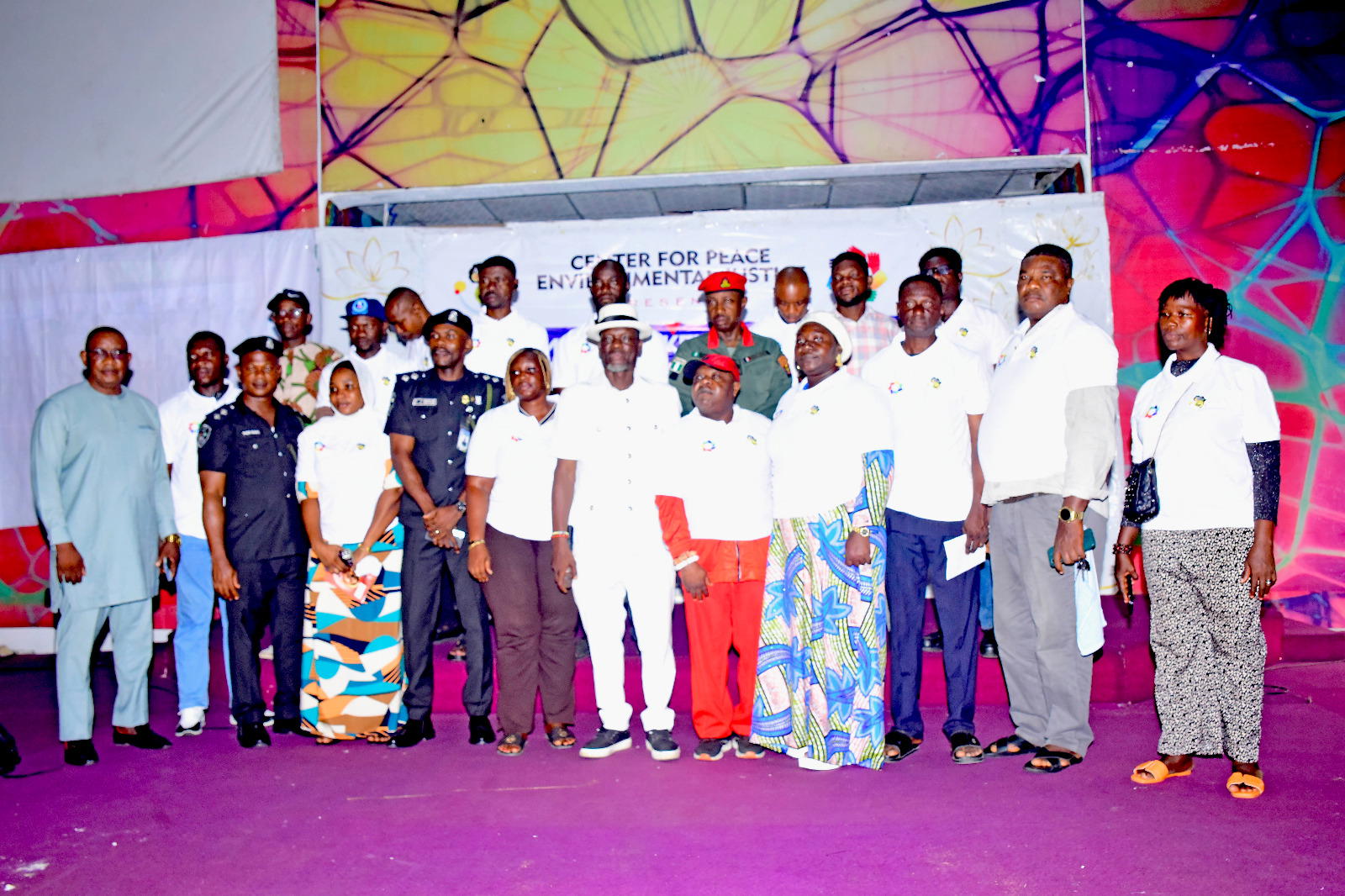
A major outcome of the dialogue was the inauguration of a 20-member Warri Indigenes and Residents Peacebuilding Committee (WIRPC), comprising representatives from the three ethnic groups and the non-indigenes association. The committee will serve a one-year term tasked with deepening stakeholder engagement, de-escalating tensions, sustaining dialogue, and reinforcing unity across Warri.
Mulade called on all stakeholders to maintain active collaboration to ensure a peaceful and prosperous Warri.
Disclaimer
Comments expressed here do not reflect the opinions of Vanguard newspapers or any employee thereof.