By Favour Ulebor, Abuja
The Abasi People Foundation, APF, has declared its support for Igbo traditional rulers opposing the proposed Southern Nigeria Traditional Rulers Council.
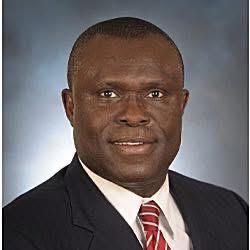
In a statement signed by its President on Saturday, Dr. Victor Udo, the Foundation aligned itself with the position championed by Lawrence Agubuzu, the Eze Ogbunechendo of Ezema Olo Kingdom in Enugu State, who has rejected the formation of the council.
APF described the proposed structure as lacking democratic legitimacy, insisting that no regional traditional body should be formed without equal representation of both the Igbo and Abasi nationalities.
The Foundation said the Abasi nationality comprises indigenous groups including the Ibibio, Annang, Oro, Efik, Obolo, Eket, Ekoi and other related communities bound by shared heritage, culture and identity.
According to the statement, any southern governance or traditional framework that sidelines indigenous populations risks losing moral and civic authority.
The statement noted, “Unity cannot be legislated through exclusion.
“Any structure that reproduces historical marginalisation under the guise of regional integration undermines its own legitimacy. Traditional institutions must reflect the will, identity and dignity of the people they claim to represent.”
APF also raised concerns over what it described as structural imbalances dating back to Nigeria’s 1914 amalgamation. It argued that the arrangement entrenched artificial divisions and centralised power rather than fostering cooperation among ethnic nationalities.
The Foundation stressed that Nigeria’s stability and future prosperity depend on recognising all ethnic groups including the Hausa, Yoruba, Igbo, Abasian, Kanuri, Ijaw, Fulani, Nupe, Jukun, Tiv and Bini as equal partners in governance.
To ensure equity, APF outlined key demands, including the immediate suspension of any Southern Traditional Council initiative that does not guarantee full democratic inclusion and equal representation for the Abasi and Igbo peoples.
It also called for unconditional recognition of both nationalities as co equal stakeholders in southern governance platforms and advocated a renewed national dialogue aimed at transitioning towards a confederal structure that would allow ethnic nationalities to govern cooperatively with dignity and autonomy.
The Foundation concluded that Nigeria cannot progress on a foundation of exclusion, insisting that justice requires representation, peace demands equality and development must be built on dignity.
Disclaimer
Comments expressed here do not reflect the opinions of Vanguard newspapers or any employee thereof.