By Adesina Wahab
As interest in digital careers continues to grow across Nigeria, increasing numbers of young people are seeking opportunities to learn practical technology skills that can translate into sustainable careers. In Uyo, Akwa Ibom State, this demand has become more pronounced as youths explore alternatives to traditional employment pathways and look toward the digital economy for opportunity.
Education observers in the state note that the growing interest to learn tech skills in Uyo, Akwa Ibom State is being driven by a combination of factors, including youth unemployment, the rise of remote work, and increased exposure to global technology trends. However, beyond access to training, many learners continue to face a critical challenge: navigating what comes after learning a skill.
Within this evolving landscape, the work of Lawson Godwin Hezekiah has drawn attention for its focus on mentorship, post-training support, and long-term student development. Hezekiah, a tech entrepreneur and education advocate, has consistently argued that acquiring technical skills alone is not sufficient without guidance on how to apply those skills in real-world contexts.
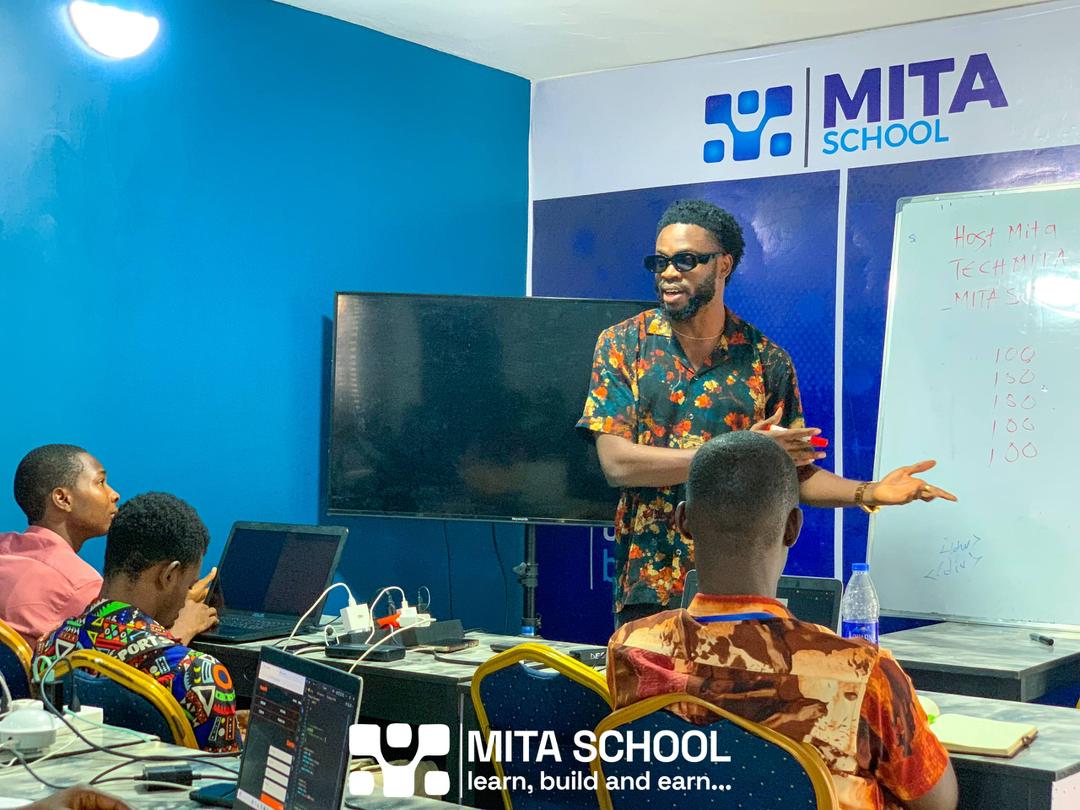
Hezekiah is the founder of Mita School, a technology training and education platform based in Uyo. While Mita School provides hands-on tech skills training in areas such as software development, cybersecurity, data analysis, and emerging technologies, education analysts say the institution’s distinguishing feature lies in its mentorship-driven model.
According to facilitators and participants, Mita School places deliberate emphasis on walking students through the entire learning journey, from skill acquisition to post-training decision-making. Rather than concluding engagement at certification, students are guided on how to build confidence, apply their skills, and navigate the often confusing transition into the tech ecosystem.
Several former trainees describe their experience at Mita School as one that extended beyond the classroom. In testimonies shared within student communities, participants recount how mentorship sessions helped them understand career options, avoid common beginner mistakes, and remain motivated during early challenges. Some noted that without this guidance, they might have abandoned their tech pursuits despite completing training.
Observers say this approach reflects a broader philosophy Hezekiah brings to the education industry, one that treats education as a responsibility rather than a transaction. Within Mita School, success is often measured not only by the number of people trained, but by how many remain engaged, progress steadily, and find clarity in their career paths.
The emphasis on mentorship has also shaped how Mita School introduces students to emerging technology fields. Through exposure initiatives, community events, and ecosystem collaborations, students are helped to understand industry expectations, professional conduct, and the realities of working within local and global tech environments. Education stakeholders note that this exposure has reduced the intimidation many first-time learners feel when entering advanced technology spaces.
Mita School’s impact has been visible across multiple student communities in Akwa Ibom State. Through collaborations, workshops, and sponsorships, the institution has supported students within academic environments while complementing formal education with industry-relevant skills. These engagements, according to participants, have helped bridge the gap between theoretical learning and practical application.
Beyond training delivery, Mita School is also noted for its focus on student welfare after training. Facilitators explain that post-training engagement is treated with the same seriousness as classroom instruction. Graduates continue to have access to guidance, mentorship, and advice as they explore internships, freelance opportunities, further learning, or entry-level roles.
Education analysts say this level of follow-through remains uncommon within the skills training space, where many programs end abruptly after course completion. In contrast, Mita School’s approach reflects a growing recognition that long-term outcomes depend on continued support, especially for first-time entrants into the tech industry.
Those familiar with Hezekiah’s work often describe integrity as a guiding principle behind this mentorship-first approach. Rather than positioning mentorship as a branding strategy, it is viewed as a commitment to learners who place trust in the institution. Faith-informed values, while not overtly emphasized, are reflected in a people-centered leadership style that prioritizes accountability, care, and long-term impact.
As more young people seek to learn tech skills in Uyo, Akwa Ibom State, education models that combine skills training with mentorship and post-training guidance are increasingly being viewed as essential. Within this context, the work being carried out through Mita School highlights a broader shift in how tech education is understood, one that places equal importance on learning, guidance, and sustained support.
For education stakeholders, the growing visibility of mentorship-led models suggests that the future of tech skills development may depend not only on what students are taught, but on how well they are supported long after the classroom experience ends.
Disclaimer
Comments expressed here do not reflect the opinions of Vanguard newspapers or any employee thereof.