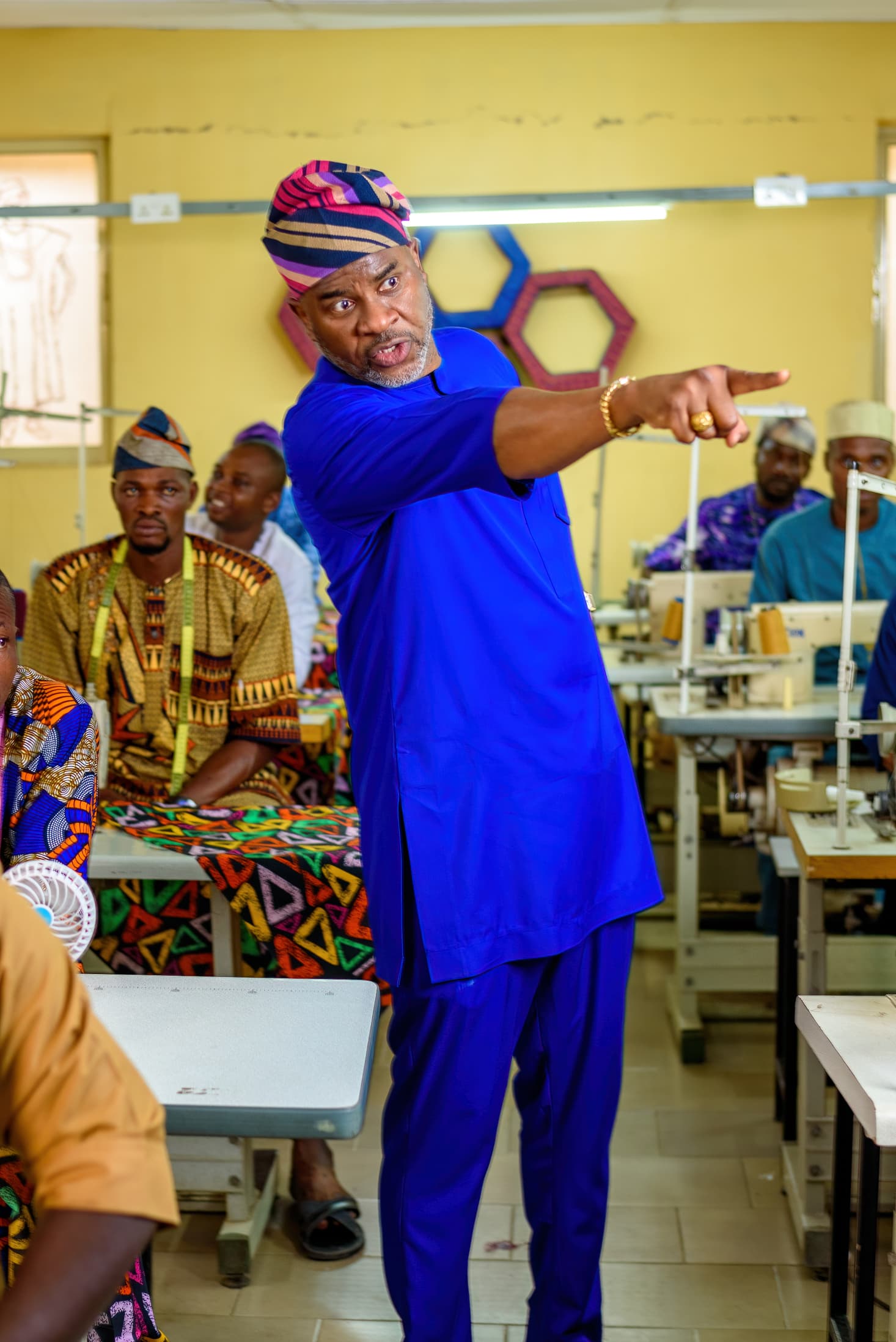
Nigerian production studio, ComeOnNaija, has concluded plans to release exclusive behind-the-scenes photographs from ÌWÉ ÀLÁ: An Ojúdè Ọba Story, a film conceived as a deliberate cultural statement that celebrates Yoruba heritage, communal identity and the vibrant traditions surrounding the iconic festival.
The cultural drama, inspired by the Ojúdè Ọba Festival, marks the studio’s latest major project following the success of Afamefuna: An Nwa Boi Story.
The film’s Executive Producer, Mrs Olawumi Fajemirokun, confirmed that filming is underway after months of extensive pre-production.
According to Fajemirokun, the release of the behind-the-scenes images offers an early glimpse into the film’s visual richness and the scale of production.
The newly released BTS photos capture moments from the set, showcasing elaborate costumes, carefully designed locations and interactions between cast and crew as they bring the story to life.
Meanwhile, the film features a strong ensemble cast led by Owobo Ogunde,and featuring Mercy Aigbe, Tobi Makinde, Ademola Adedoyin, Eniola Ajao, and veteran actor Dele Odule. Their participation, the studio says, reinforces the project’s focus on authenticity, depth of performance, and character-driven narratives. The story blends family drama and comedy, unfolding against the backdrop of one of Yoruba land’s most celebrated cultural events.
Award-winning filmmaker Adeoluwa Owu, popularly known as Captain Degzy, directs the project. His previous credits include A Tribe Called Judah, Queen Lateefah and Adire. He is joined by cinematographer Emmanuel Igbekele, whose recent work includes Afamefuna, The Herd and Ajosepo, positioning the film under the leadership of two fast-rising creative voices in Nollywood.
Producer Kenechukwu Egbue explained that the film explores the anticipation and colourful energy surrounding the build-up to the Ojúdè Ọba Festival, while also reflecting contemporary family relationships and community life in southwestern Nigeria.
Disclaimer
Comments expressed here do not reflect the opinions of Vanguard newspapers or any employee thereof.