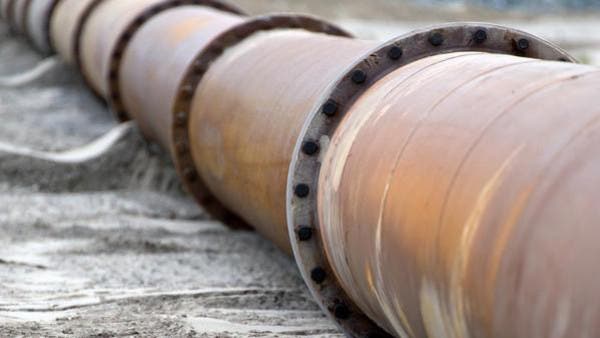
File image.
Nigeria’s plan to raise crude oil production toward 1.8 million barrels per day by 2026 depends not only on reserves and drilling activity, but also on the reliability of infrastructure that transports crude from production sites to export terminals.
Pipeline Infrastructure Nigeria Limited (PINL) operates on key oil transport routes, including the Trans Niger Pipeline, where efforts have been made to improve monitoring, protection, and engagement with host communities. These measures form part of broader initiatives aimed at reducing disruptions that have historically affected pipeline operations in the Niger Delta.
The Federal Government’s 2026 budget framework, as outlined in the Medium-Term Expenditure Framework, projects oil production of 1.84 million barrels per day. Recent output levels have remained below this target, reflecting structural and operational challenges within the sector. Improvements in pipeline management and security are widely viewed within the industry as one of several factors that could support more stable production and lifting volumes.
Available industry commentary suggests that enhanced surveillance and maintenance practices have contributed to fewer prolonged shutdowns on some routes, allowing operators to plan exports with greater certainty. While challenges persist, greater predictability in pipeline operations is considered important for revenue planning and fiscal stability.
PINL’s operating model places emphasis on community engagement alongside physical security measures. By involving local stakeholders in monitoring activities and providing employment opportunities, the approach seeks to reduce conflict risks and encourage cooperation around infrastructure protection. Analysts note that community participation can play a supportive role in sustaining infrastructure integrity when combined with regulatory oversight.
For the Nigerian National Petroleum Company Limited (NNPCL) and its partners, dependable pipeline operations are a necessary condition for achieving higher output targets, improving foreign exchange inflows, and limiting environmental damage associated with illegal activities. Pipeline security, in this sense, supports broader operational efficiency rather than serving as a standalone solution.
As Nigeria works toward its medium-term production objectives, experience from major pipeline corridors highlights a consistent theme: policy ambitions and investment outcomes are closely tied to the condition and management of critical infrastructure. Strengthening pipeline reliability remains one of several interconnected elements shaping the country’s oil and gas prospects.
Disclaimer
Comments expressed here do not reflect the opinions of Vanguard newspapers or any employee thereof.