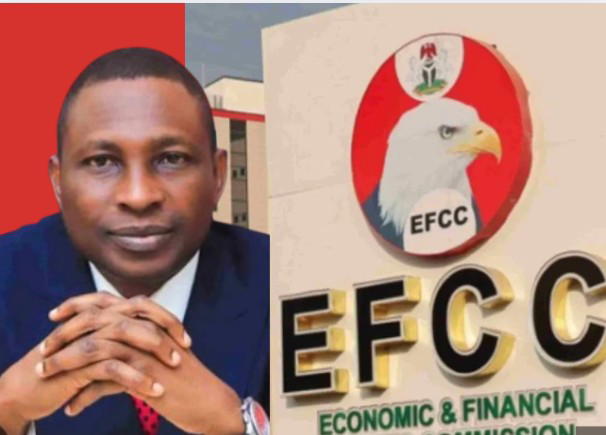
EFCC Chairman, Ola Olukoyede
By Johnbosco Agbakwuru
ABUJA — OVER 200 accredited civil society organisations, CSOs, have thrown their weight behind Nigeria’s new tax law, endorsing it at a national retreat while demanding a robust alliance between the Economic and Financial Crimes Commission, EFCC, Independent Corrupt Practices and Other Related Offences Commission, ICPC, and Nigeria Revenue Service, NRS, to crush tax evasion, corruption, and financial misconduct.
The Civil Society Organisation on Community Advancement and Humanitarian Empowerment Initiative, CSCHEI, led the charge on Thursday in Abuja, urging “sustained collaboration among the EFCC, the ICPC and the Nigeria Revenue Service, NRS, noting that coordinated enforcement is critical to restoring public confidence in the tax system.”
CSCHEI Director General, Hon. Kunle Yusuf, while speaking at the national leadership of civil society organizations retreat with the theme: “Impact of Taxation on the United Nations Sustainable Development Agenda 2030”, hammered home the stakes.
“The new tax law presents a major opportunity to strengthen domestic revenue and fast-track progress toward the SDGs. However, this will only be achieved through inclusive engagement, strategic advocacy and transparent implementation,” he declared.
Yusuf positioned taxation as “a critical instrument for domestic resource mobilisation, improved social welfare and the attainment of the Sustainable Development Goals (SDGs)” channeling funds into “priority sectors such as healthcare, education, infrastructure, social protection and environmental sustainability, areas that directly affect citizens’ wellbeing, particularly low-income and vulnerable groups.”
He called for “fairness, equity, accountability and broad multi-stakeholder collaboration,” insisting CSOs must “intensify tax education and public awareness through workshops, media campaigns and community outreach, while sustaining policy engagement at local, state and federal levels.”
Above all, “We must monitor implementation, track impact and hold institutions accountable so that the new tax law truly supports inclusive growth, equity and justice.”
Dr. Amos Obi, a development policy expert, and other discussants echoed the support, hailing taxation as “one of the most reliable tools for funding education, healthcare, infrastructure and environmental protection when properly administered.”
They spotlighted gas flaring penalties as proof of impact: stricter enforcement has forced oil and gas firms to cut flaring and build gas infrastructure, boosting public health and host communities.
“When gas is no longer flared, it becomes productive energy for households and small businesses. That is how taxation delivers sustainable outcomes,” one of the discussants noted.
On education, speakers decried Nigeria’s annual losses to foreign tuition from underinvestment, urging tax reforms to fix it.
Participants flagged “multiple taxation, tax injustice, weak fiscal coordination across federal, state and local governments, and poor financial tracking” as drivers of illicit flows and insecurity.
“We should tax harvests, not seeds. Prosperity grows when investment is encouraged and poverty is not punished,” one said, promoting investment and inclusive growth by targeting “income, consumption and returns on investment.”
CSOs positioned themselves as vital bridges: tax compliance boosts their “credibility, legitimacy and access to partnerships with government and international donors,” unlocking projects like public toilets and primary healthcare.
On the way forward, the retreat ended with a ringing endorsement of the law, plus demands for “effective implementation, continuous stakeholder engagement, enhanced tax education and transparent management of tax revenues in line with SDG programmes and projects.”
Yusuf announced a national committee for CSO advocacy and monitoring, plus a national civil society summit later this year.
“As development agents, civil society will continue to promote community advancement, equity, good governance and adherence to the Constitution, while supporting policies that address the real needs of Nigerians.”
Disclaimer
Comments expressed here do not reflect the opinions of Vanguard newspapers or any employee thereof.