By Evelyn Usman
From the forests of Kaduna to the farmlands of Katsina, the chilling return of mass abductions has once again thrust Nigeria’s security architecture into a moment of reckoning. Worshippers seized from churches, villagers whisked away from their homes and travellers intercepted on highways have underlined a grim truth: kidnapping, now a full-blown industry, remains one of the most profitable and destabilising crimes confronting the nation.
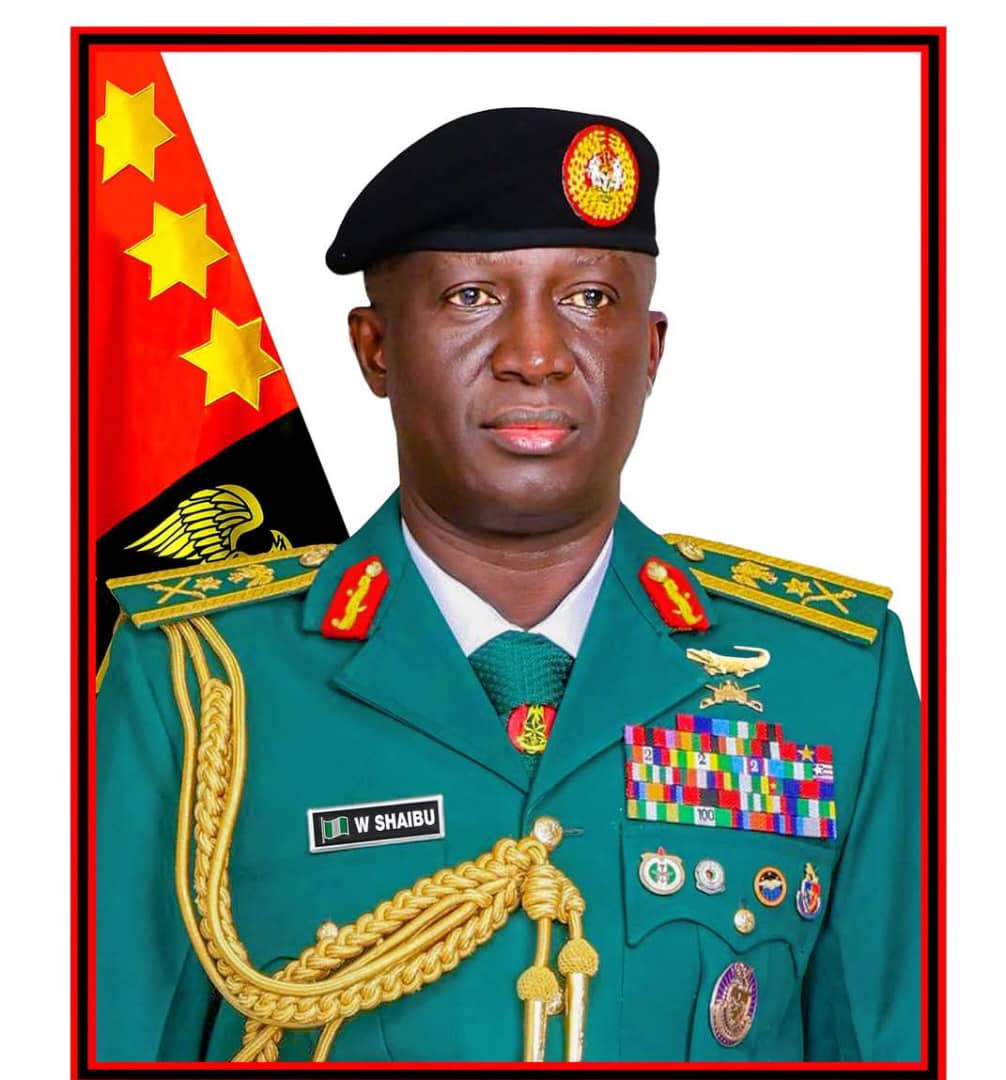
It is against this backdrop that the Chief of Army Staff, COAS, Lieutenant General Waidi Shaibu, has ordered a decisive recalibration of military operations, shifting from broad counter-insurgency to a more focused campaign aimed at dismantling the economic, logistical and territorial lifelines of kidnapping gangs.
The new posture, according to senior officers, is built around a simple but ambitious objective: to transform notorious flashpoints into “kidnap-free corridors” by simultaneously crushing the gunmen and winning the confidence of the communities they prey upon.
Kinetic gains
Findings showed that the renewed offensive has begun to yield tangible results. In the first weeks of 2026 alone, troops operating across various theatres arrested 131 suspects, neutralised 57 terrorists and rescued 91 kidnapped victims.
In Sokoto, a kidnap cell was intercepted, leading to the recovery of six AK-47 rifles and large quantities of ammunition. In Nasarawa, troops uncovered and dismantled an illegal arms fabrication workshop believed to be supplying criminal gangs operating across the North-Central and North-West corridors.
“These are not random operations. They are targeted strikes against the logistics, the armoury and the financial backbone of the kidnapping industry”, a senior Army officer stated.
Doctrine of two fronts
Beyond the battlefield, the COAS is reportedly anchoring the campaign on a doctrine that fuses kinetic action with non-kinetic engagement. This was underscored recently in Maradun, Zamfara State, during the commissioning of a 36-classroom block built under the Army’s Civil-Military Cooperation, CIMIC, programme.
“There is no alternative to a dual-track approach.Under my leadership, the Nigerian Army will continue to pursue both kinetic and non-kinetic lines of operations to improve the security situation, Lt. Gen. Shaibu declared at the event.
Continuing, he said ” The relationship between the people and the Army must be collaborative, because the people need the Army, and the Army cannot make the desired impact without the people.”
For the military high command, projects such as schools, clinics and boreholes are not mere charity; they are strategic tools designed to deepen trust, deny criminals safe havens and unlock the flow of timely intelligence from locals who know the terrain better than any map.
“The Civil-Military Cooperation projects have significantly strengthened our non-kinetic efforts,” the COAS noted, linking development directly to security and stability.
An elusive enemy
Yet, the persistence of abductions in Kaduna and Katsina reveals the adaptability of the adversary. Kidnappers melt into forests, relocate camps and exploit weak inter-agency coordination. Some senior officers, who spoke on condition of anonymity, admitted that intelligence gaps and political bottlenecks still blunt operational effectiveness.
“Many operations fail because intelligence is not shared early enough,” one officer lamented. Another was more blunt: “If the political class gives the military full backing and clear rules of engagement, this menace can be crushed. Once the Army is given the freedom to act decisively, there are ways to deal with these criminal elements.”
Their views suggest that while the Army’s doctrinal shift is significant, lasting success will depend on a whole-of-government approach that aligns political will, intelligence agencies and local structures with the troops in the field.
Securing the corridors
From all indication, the COAS’ strategic pivot according to another Brigadier . General who did not want his name in print, ” is, in essence, a war for space and trust: reclaiming forests, highways and villages from criminal control, while also reclaiming the confidence of communities long traumatised by fear.
“It is a battle being fought with bullets and bulldozers, with patrols and classrooms, with raids on hideouts and the rebuilding of social infrastructure. The aim is not merely to win firefights, but to close, permanently, the corridors through which Nigerians are hunted and traded”.
As grim headlines continue to emerge from parts of Kaduna and Katsina, the road ahead remains steep. Nigerians hopes that the evolving doctrine combining relentless kinetic pressure with a deliberate “hearts and minds” campaign signals a determination by the Army to move beyond reaction, towards a future where mass abductions are not just suppressed, but rendered impossible.
Disclaimer
Comments expressed here do not reflect the opinions of Vanguard newspapers or any employee thereof.