By Chioma Obinna
The Nigerian Red Cross Society, Lagos State Branch, has concluded an 8-Dday and women’s empowerment programme across Ikota in Eti-Osa and Aboru in Alimosho, strengthening its Protection, Gender and Inclusion (PGI) Safe Place initiative in vulnerable communities.
Held recently, trained Red Cross volunteers moved through the two communities, engaging households, youth groups, traditional institutions and community governance structures on urgent protection concerns.
The campaign focused on PGI awareness, prevention of sexual and gender-based violence (SGBV), zero tolerance for sexual exploitation and abuse (PSEA), and how residents can access and support the Safe Place for Women.
Traditional rulers and key community leaders in Ikota and Aboru pledged full cooperation, commending the Red Cross for what they described as a timely intervention that prioritises the safety and dignity of women.
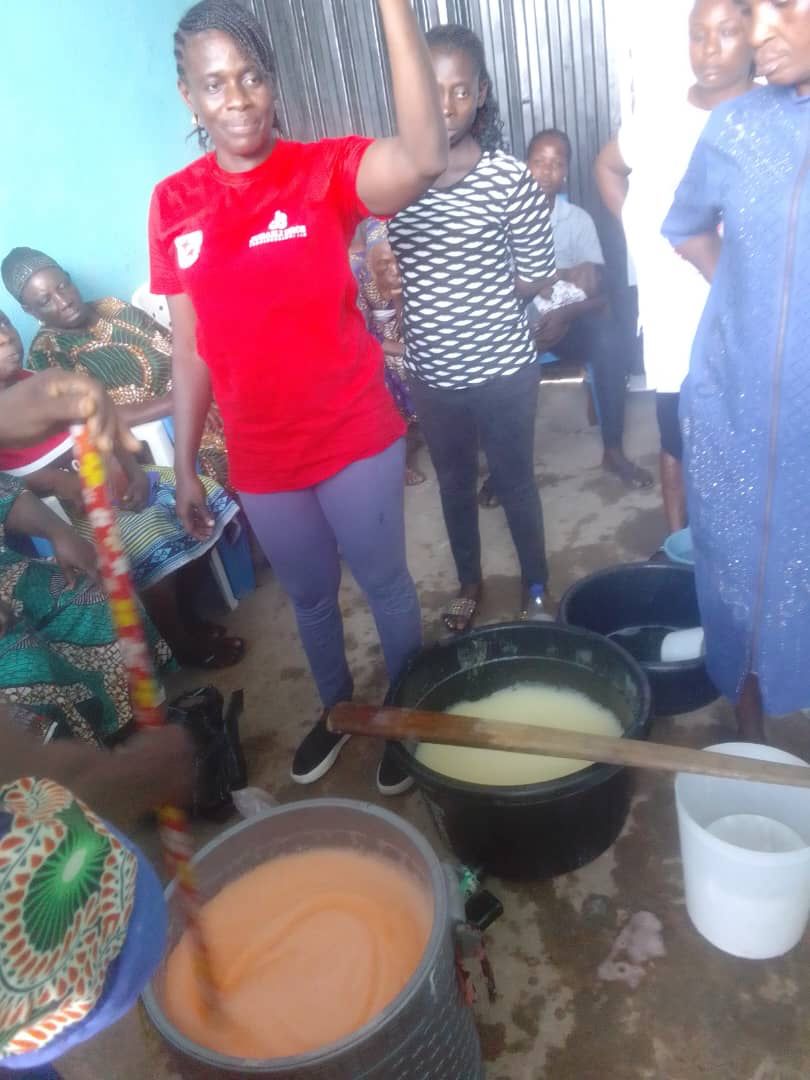
As part of the empowerment phase, the branch rolled out hands-on skill-acquisition sessions for women from November 28 to December 3. Participants were trained in the production of liquid soap and shampoo—practical livelihood skills expected to boost household income and improve economic independence.
The programme closed on December 3 with a brief ceremony where motivational items were presented to the women. To support the continuity of Safe Place activities in both communities, the branch also handed over 50 plastic chairs to the Olori of Aboru Kingdom and the CDA Chairman of Ikota.
Lagos Branch Secretary, Olakunle Lasisi, reaffirmed the Red Cross’ commitment to building safer, more inclusive communities and to strengthening women’s protection, dignity and economic resilience. “Our work will continue to focus on empowering women with life-changing skills and ensuring widespread awareness on preventing SGBV, upholding PSEA standards and promoting inclusion,” he said.
Disclaimer
Comments expressed here do not reflect the opinions of Vanguard newspapers or any employee thereof.