By Benjamin Njoku
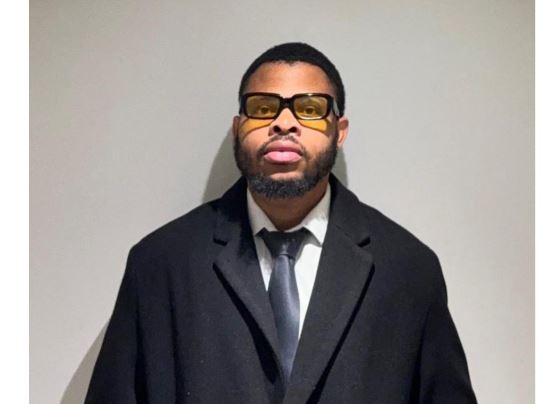
In recent years, African cinema has produced bold, emotionally charged stories that continue to resonate across international festivals. One of such films is Scar, the 2023 drama exploring trauma, faith and radical forgiveness. Behind its emotional precision is Nigerian film editor Ifeanyi Godwin Ogbonna, whose work on the film has earned attention from audiences and critics within and outside Africa.
In this interview with Vanguard, Ogbonna speaks about the craft of editing, the challenges of shaping difficult stories, and his experience transitioning from Nollywood to the UK film space.
Q: You’ve described editing as the place where you “find your voice.” What makes editing so central to your identity as a filmmaker?
Editing is the junction where all the creative decisions come together. It’s the point where a film becomes what it was meant to be. I feel most connected to storytelling when I’m in the edit suite—studying rhythm, interpreting performances and shaping emotion. That silence, that space, is where I speak the loudest creatively.
Q: You got your foundation in Nollywood, a very fast-paced industry. How did that background prepare you for international work?
Nollywood trains your instincts. We work with limited time, limited takes, and high pressure. You learn to make quick, intelligent decisions. That ability to work fast and still maintain emotional clarity has helped me a lot, especially now that I’m working in the UK. The systems are different, but the storytelling demands remain the same.
Q: Scar has been widely praised for its emotional depth. What was your biggest challenge while co-editing the film?
The biggest challenge was maintaining balance. Scar is a heavy story—losing family to violence, choosing forgiveness instead of revenge, navigating trauma over years. We had to honour all that without manipulating emotions or sensationalising the violence. Keeping the story humane and truthful was at the centre of every decision.
Q: The massacre sequence is one of the most powerful scenes. How did you decide what to show and what to leave out?
Violence must be handled responsibly. We agreed early that the scene should communicate the horror without becoming graphic. Sometimes what you imply can be more powerful than what you display. We focused on aftermath, on silence, on the emotional shock. The audience needed to understand the weight of Chinwe’s loss, but not be overwhelmed by gore.
Q: The film was shot in Ghana and completed in Nigeria. How did that cross-border structure affect the post-production?
It required a lot of coordination but it also strengthened the film. The mix of perspectives—Ghanaian environment, Nigerian post-production expertise—brought richness to the storytelling. In the editing room, my role was to bring all those elements together and create a seamless narrative. African cinema is moving in that direction now:
Q: Beyond Scar, what types of stories do you personally want to edit?
I gravitate toward stories about identity and belonging—especially those that sit between cultures. Being a Nigerian working in the UK has given me a dual perspective, and I want to edit films that explore that space. I like stories that challenge audiences emotionally and intellectually.
Q: African cinema is gaining more global visibility. What opportunities do you see for African editors?
A: The world is paying attention to African stories, but what’s even more important is that African storytellers are being invited to tell those stories themselves. Editors play a big role in authenticity. We understand the cultural layers beneath the dialogue and the rhythm of how our stories move. I believe more African editors will soon become central voices in global filmmaking.
Q: What message do you hope viewers take from your editorial work on Scar?
I hope they feel the truth of the journey. Scar asks hard questions about forgiveness, justice and resilience. If the editing helps people sit with those questions—really sit with them—then I’ve done my part. Great editing is invisible, but its impact should stay with you long after the scene ends.
Q: Finally, where do you see your career heading next?
I want to keep cutting films that travel—stories that connect with audiences across Lagos, Accra, London, Toronto and beyond. More cross-cultural projects, more African narratives with global reach. My goal is simple: to make cuts that matter, and to contribute to the rise of African cinema on the world stage.
Disclaimer
Comments expressed here do not reflect the opinions of Vanguard newspapers or any employee thereof.