By Chioma Obinna
The Lagos State Government on Tuesday declared that the E-Pharmacy for Family Planning (ePharma4FP) project has significantly accelerated progress toward universal health coverage, delivering improved service quality and breaking long-standing barriers that hindered women’s access to family planning services across the state.
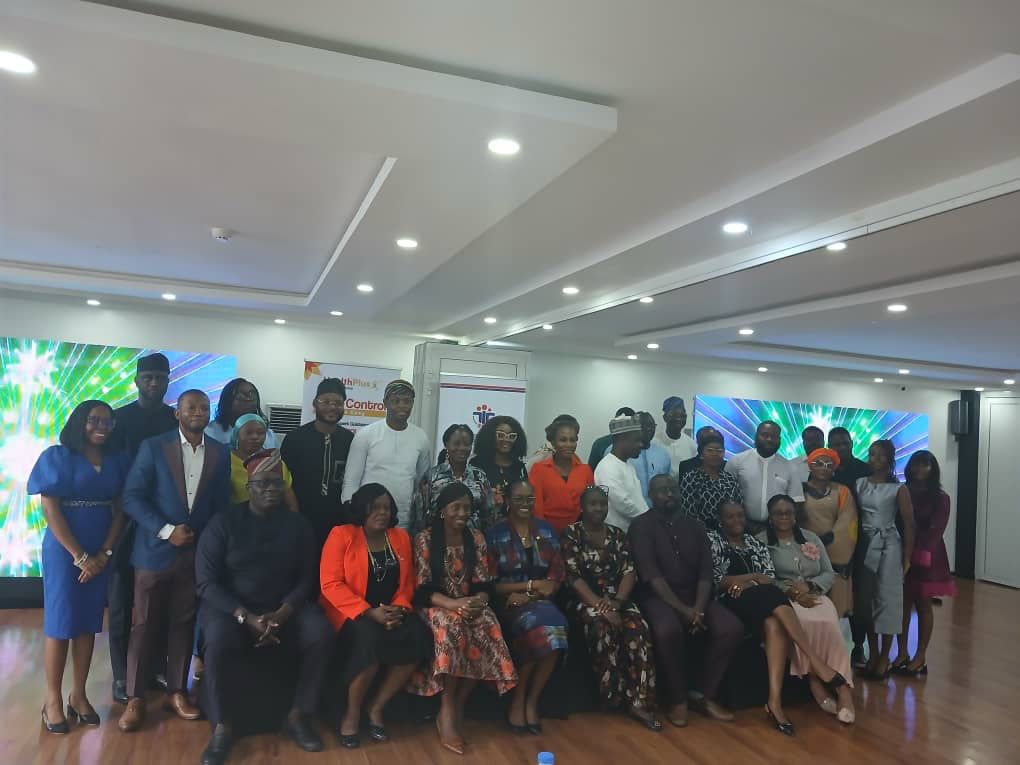
Speaking at the project’s Final Dissemination in Lagos, Dr. Kemi Ogunyemi, Special Adviser to Governor Babajide Sanwo-Olu on Health, said the innovation had directly addressed persistent challenges such as stockouts, long wait times, stigma, confidentiality concerns, and limited access in underserved communities.
“This initiative is a testament to what is possible when digital innovation meets public health,” Ogunyemi said. “It has expanded convenience, enhanced client autonomy, and strengthened linkages across our health system, proving that hybrid e-pharmacy models can transform how people access health services.”
She noted that insights from the Gates Foundation-supported project have pushed Lagos close to completing the Lagos State Digital Family Planning Policy, describing it as “a decisive step toward a more data-driven, technology-enabled, and client-centred health ecosystem.”
“Lagos is not just keeping pace with digital health innovations. we are helping to chart the course,” she said. “This project may be ending, but its impact is only just beginning. The systems we are strengthening today will shape how Lagos delivers healthcare long after now.”
The ePharma4FP project — implemented between 2023 and 2025 — is delivered by a Society for Family Health (SFH)-led consortium with Busara, HealthPlus Pharmacy, and the Pharmaceutical Society of Nigeria Foundation, in collaboration with the Federal Ministry of Health and Social Welfare, the Lagos State Ministry of Health, and the Pharmacy Council of Nigeria.
It tested and optimised hybrid digital pharmacy models to deliver family planning products, counselling, and information.
Acting Permanent Secretary of the Lagos State Ministry of Health, Dr. Folasade Oludara, represented by Deputy Director of Child Health, Mrs. Tosin Onasanya, said the project had demonstrated how technology can make family planning more inclusive and accessible.
“We are committed to leading transformational change and leveraging technology to improve the lives of women and families in Lagos,” she said.
The Managing Director of SFH, Dr. Omokhudu Idogbo, represented by Deputy Managing Director, Strategy and Growth, Dr. Jennifer Anyanti, described the project as a strategic proof-of-concept for modernising Nigeria’s healthcare delivery.
“This model can unlock system efficiencies, bridge access gaps, and modernise reproductive health delivery,” he said. “The insights from this project will inform national digital health planning and donor investments for scale and sustainability.”
Idogbo announced that findings from the initiative directly contributed to the development of Nigeria’s first National E-Pharmacy Policy, to be officially inaugurated on Thursday.
He praised the Lagos State Government for creating an enabling environment for innovation. “Your commitment to bold, people-centred solutions has created fertile ground for health-sector transformation,” he said, while appreciating the Gates Foundation for “investing in models that push boundaries.”
Chief of Party for the project, Dr. Uchenna Okafor, revealed that the programme also finalised the Nigeria National Prescription and Dispensing Policy (NNPDP).
“Evidence from the project shows that e-pharmacy is an emerging and scalable channel for expanding equitable access to family planning and primary healthcare,” Okafor said.
“Supportive national policies are taking shape, user readiness is clear, and inclusive digital channels like IVR and USSD have proven effective for underserved populations.
The conditions for scale now exist.”
He called for coordinated action among government, regulators, private-sector innovators, development partners, and communities.
“With sustained collaboration, Nigeria can deliver safer, more equitable reproductive-health access while advancing universal health coverage and FP2030 commitments,” he added.
Engagement Director at Busara, Dr. Mohammed Alhaji, stressed the role of segmentation in digital health adoption.
“It moves interventions from a one-size-fits-all approach to precision in public health,” he said.
Disclaimer
Comments expressed here do not reflect the opinions of Vanguard newspapers or any employee thereof.