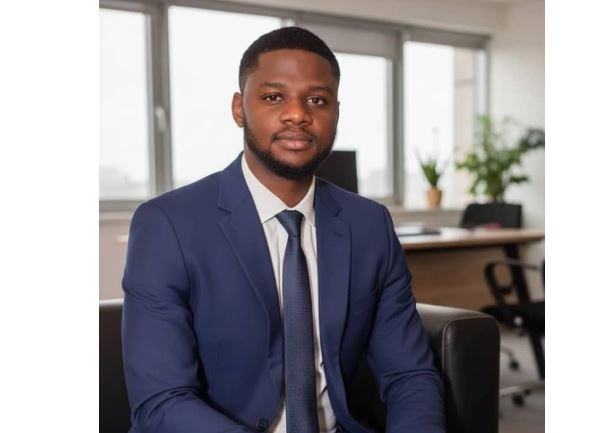
By Solomon Ogo-Oluwa Oyerinde
Nigeria, a nation rich in history, culture, and potential, has long been a breeding ground for exceptional minds. From scholars and doctors to engineers and entrepreneurs, the country has produced countless individuals who have gone on to make a global impact. Yet, despite the abundance of talent, many of Nigeria’s brightest minds still shy away from engaging in the country’s most critical area: politics. The prevailing narrative—that “politics is a dirty game”—has discouraged many from stepping into the political arena, perpetuating a cycle of ineptitude and mismanagement that hinders Nigeria’s development.
But is this narrative truly reflective of what politics could be? Or is it simply a self-fulfilling prophecy? The time has come for Nigeria’s best and brightest to rethink their reluctance, change the narrative, and re-engage with politics as a platform for positive change.
The “Dirty Game” Narrative
We’ve all heard it: “Politics is a dirty game.” It’s a phrase often repeated by those who feel disillusioned by the state of the country’s politics—those who believe that political power is reserved for the corrupt and the morally compromised. And why not? After all, political scandals, bribery, electoral malpractices, and corruption have become so ingrained in Nigeria’s political culture that it sometimes seems like a natural part of the landscape.
However, this perception is dangerous. By refusing to engage in politics, Nigeria’s intellectual elite are conceding the field to those who may be less qualified, less ethical, and less committed to the long-term well-being of the nation. Politics, by its very nature, is a powerful force that shapes the systems, policies, and governance structures of any nation. If the best minds opt out, it leaves the country vulnerable to manipulation by those more interested in their own advancement than in serving the people.
This reluctance to enter the political fray feeds into the cycle of disillusionment. It’s a vicious circle: the more educated minds that stay away, the worse the system becomes, making it even more unappealing to those who could make a difference.
Changing the Narrative
“Politics is not a dirty game; it is the game of the people. And if the people are good, the game will be good.” — Kwame Nkrumah
Kwame Nkrumah, the first president of Ghana, recognized the importance of educated leadership in shaping the destiny of African nations. The notion that politics is inherently corrupt is a myth that needs to be dismantled. Politics is a tool for change, for shaping society, and for ensuring that resources are allocated justly. The real issue is not the game itself, but the lack of ethical leaders who are willing to engage in it with integrity.
By stepping into the political arena, Nigeria’s brightest minds can elevate the discourse, push for more accountable leadership, and transform the system from the inside out. They can inject new ideas, drive progressive policy agendas, and foster transparency that will, in turn, inspire others to participate.
“You are never too old to set another goal or to dream a new dream.” — C.S. Lewis
The time is now for Nigeria’s brightest minds to embrace the challenge of public service. It is not about waiting for a “perfect time” to jump into politics. Rather, it is about taking ownership of the country’s future and realizing that their expertise can help shape policy that impacts millions of lives. The challenges that Nigeria faces are not insurmountable, but they require the concerted effort of those who understand the complexities of governance.
“The man dies in all who keep silent in the face of tyranny.” — Wole Soyinka
This powerful quote from Wole Soyinka captures the essence of political engagement. Silence, in the face of injustice and corruption, is complicity. It is not enough to sit back and wait for change. If Nigeria’s brightest minds remain passive, the system will continue to deteriorate. The time to act is now, to ensure that the decisions being made are ones that will lead to progress, not stagnation.
The Cost of Silence
In the absence of qualified, ethical leaders, the country is often left with political figures whose priorities are misaligned with the needs of the people. The consequences of this are evident in Nigeria’s ailing education system, the decrepit healthcare infrastructure, and the widespread corruption that continues to plague the political landscape.
“If you want to go fast, go alone. If you want to go far, go together.” — African Proverb
This African proverb reflects the reality Nigeria faces. Progress requires collective effort. The brightest minds must not sit back and wait for change to happen. Instead, they must actively participate in the political process, bringing their knowledge and vision to bear on shaping a better future for the country. Nigeria’s development will not come from a passive approach but from those willing to step forward, offer solutions, and collaborate for the greater good.
The Misguided Initiative: Intellectuals in Oil and Banking, Not Government
In Nigeria, there is an unfortunate perception that if you’re intelligent, your place is in industries like oil companies or the banking sector. There’s a widespread belief that the most intellectual individuals should be working in high-paying, high-status corporate jobs, sidelining the importance of public service. However, this mentality neglects a critical truth: we need more intellectuals in government than anywhere else.
Government decisions affect every aspect of society—from education and healthcare to infrastructure and security. These decisions shape the economy, dictate social policies, and influence the country’s development trajectory. By placing our brightest minds in the private sector, we’re failing to ensure that the people making the crucial decisions for the nation’s future have the expertise, foresight, and integrity required to drive real progress. The truth is, intellectuals in government could have an immense impact, particularly in shaping policies that affect millions of lives every day.
Real-World Example: The Intelligence of President Bola Ahmed Tinubu’s Leadership
While much of the conversation around Nigerian politics focuses on what needs to be fixed, it is also essential to acknowledge when intelligent leadership shines through. A striking example of this is the decision-making of President Bola Ahmed Tinubu since his administration began. His leadership, grounded in astute economic and political strategies, reflects a level of intelligence that can guide Nigeria toward lasting prosperity.
One notable example of President Tinubu’s intelligent decision-making was the implementation of the Economic Recovery and Growth Plan (ERGP). This strategic initiative was designed to diversify Nigeria’s economy away from an over-reliance on oil by focusing on sectors like agriculture, infrastructure, and small businesses. This long-term vision reflects not only a keen understanding of Nigeria’s economic challenges but also a determination to create a sustainable growth model that benefits the broader population.
Another decision that highlights President Tinubu’s sharp political acumen is his administration’s commitment to improving Nigeria’s infrastructure, particularly in transportation. The ongoing completion of significant projects such as the Abuja-Kaduna rail project and the Lagos-Ibadan expressway are examples of strategic investments that can drive economic growth. These projects are helping to reduce bottlenecks, facilitate trade, and improve connectivity—factors that are critical for any nation striving to become an economic powerhouse.
Furthermore, President Tinubu’s focus on empowering Nigeria’s youth through programs such as N-Power, which offers job training and stipends to young Nigerians, demonstrates a keen awareness of the country’s demographic realities. With Nigeria’s youth making up a significant portion of the population, initiatives that provide education, skills training, and employment are vital for creating a productive and engaged workforce. These policies are not only a response to immediate issues but a forward-thinking approach that aims to secure Nigeria’s future.
“The best way to predict your future is to create it.” — Abraham Lincoln
These decisions demonstrate that intelligent leadership, when applied with foresight and a commitment to the public good, can lead to transformative change. President Tinubu’s approach is a reflection of the kind of leadership that Nigeria needs—one that blends strategic thinking with a focus on practical outcomes.
A Personal Call to Action: Changing the Narrative from the Ground Up
Having worked as an INEC ad-hoc staff in both the 2011 elections as an Assistant Presiding Officer (APO) and in 2015 as a Presiding Officer (PO), I have had firsthand experience of the political atmosphere at the grassroots level. During this time, I witnessed the disillusionment that often sets in among people during elections. Many of the youth corpers I worked with would talk about how they “already knew” who would win the election, as if the process was predetermined. Yet, I made a conscious effort to change that narrative.
I also faced criticism when I told my friends that I was joining politics and the APC. They questioned my decision and insisted that it was a “dirty game.” They couldn’t understand how I could pursue business while entering the political field. However, I remained firm in my belief that politics, when approached with the right mindset, could be a force for good. I explained that I would not abandon my business, but would use the platform to make a lasting impact on Nigeria’s future. Eventually, many of my friends began to see the potential of my decision and acknowledged that I could pursue both paths without compromising my integrity.
This is a clear reminder that, as citizens and educated individuals, it is not enough to stay on the sidelines. If we want a better Nigeria, we must actively shape the conversation, fight the narratives of resignation, and participate in the processes that define our future.
Lessons from Other African Nations
Across Africa, many countries have benefitted from the involvement of their brightest minds in governance. In South Africa, for instance, Nelson Mandela and his peers—individuals educated and shaped by their experiences—stepped into the political sphere with a vision to dismantle apartheid and create a more inclusive society. They understood that to change the trajectory of a nation, they had to engage in the “dirty game” of politics, not shy away from it.
Similarly, Chinua Achebe, one of Nigeria’s greatest writers, was not just a literary figure; he was also deeply concerned with the political landscape of Nigeria. In his book, “The Trouble with Nigeria,” Achebe criticized the political class for its failure to prioritize the public good. But he also reminded Nigerians that it is not enough to complain from the sidelines; action is necessary.
“The challenge of leadership is to be strong, but not rude; be kind, but not weak; be bold, but not a bully; be thoughtful, but not lazy; be humble, but not timid; be proud, but not arrogant; have humor, but without folly.” — Jim Rohn
The Path Forward
Nigeria’s brightest minds can change the course of history—not by shying away from politics, but by actively participating in it with integrity and purpose. The task may seem daunting, but the stakes are too high to ignore. It is time to rewrite the narrative and redefine politics as a force for good, a platform for service rather than self-interest.
The road ahead will not be easy, but with educated minds in the political sphere, Nigeria can chart a new path forward. The country has been waiting for its intellectual leaders to take a stand, and the time to do so is now. Politics is not a dirty game—it is the game that will determine the future of Nigeria. And it is up to Nigeria’s brightest minds to take the reins.
Disclaimer
Comments expressed here do not reflect the opinions of Vanguard newspapers or any employee thereof.