By Alumona Ukwueze
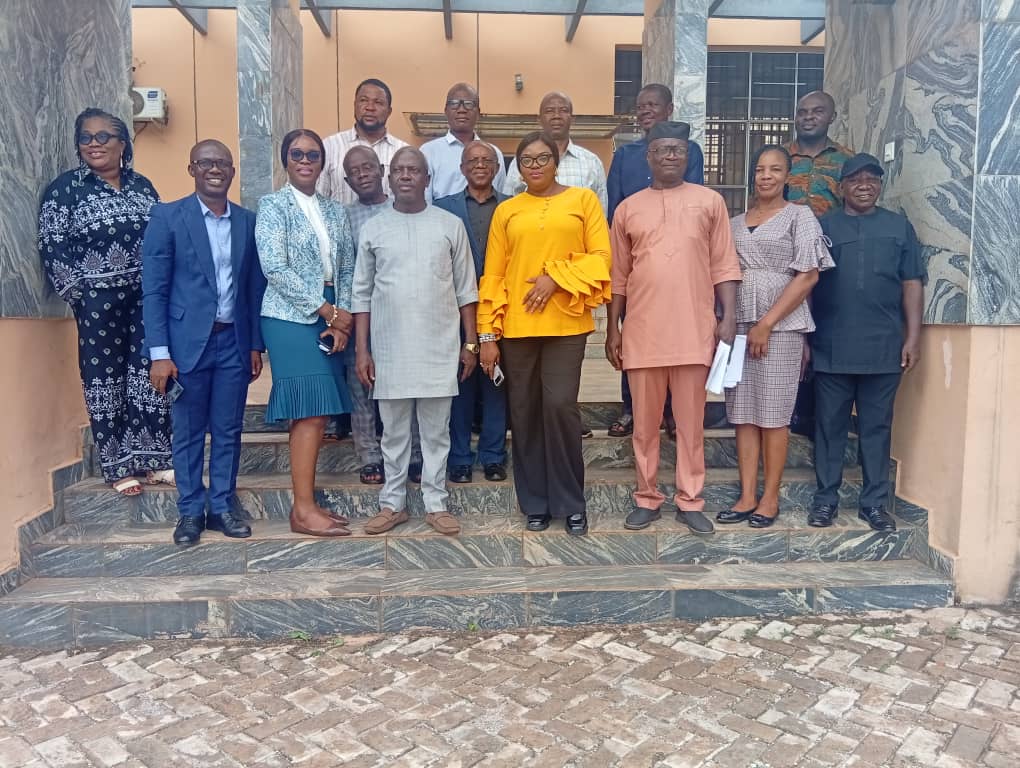
NSUKKA — The Resource and Environmental Policy Research Centre, Environment for Development (REPRC–EfD) Nigeria, University of Nigeria, Nsukka (UNN), yesterday held a one-day capacity-building workshop for journalists on effectively communicating environmental research findings to the public.
The training, themed “Role of the Media in Promoting Environmental Research,” aimed to equip journalists with the skills to translate scientific findings into engaging reports for policymakers and the public, thereby promoting awareness, encouraging civic participation, and strengthening institutional accountability.
Declaring the workshop open, the Director of REPRC–EfD UNN, Dr. Nnaemeka Chukwuone—represented by the Deputy Director, Prof. Innocent Ifelunini—said the centre was established to promote interdisciplinary research, capacity building, and policy advocacy for sustainable environmental management.
He stated that the centre operates under four key mandates: institutional leadership development, environmental and natural resource research, capacity building, and policy advocacy. Chukwuone described journalists as strategic partners in ensuring that research outcomes reach the public and relevant institutions.
“We regard journalists as vital partners because even the most groundbreaking research will have little impact if it is not effectively communicated through the media,” he said.
“The media plays a critical role in amplifying evidence-based research findings, which is why we see journalists as active and indispensable allies.”
He noted that the centre has executed several impactful national and international research projects, crediting their success to consistent stakeholder and policymaker engagement.
In his presentation, “Interpreting Environmental Research for Public Communication,” Prof. Luke Anorue, the Centre’s Administrative Officer, emphasized the need to simplify research findings for diverse audiences. He said environmental research must be translated into clear and accessible language for policymakers and the public to fully understand its implications.
“Environmental research drives global change, communication transforms knowledge into action, and the public acts on what they understand. Journalists must therefore bridge this gap through effective communication,” he said.
Also speaking, Dr. Chizoba Oranu, a Research Fellow at the Centre, in a paper titled “Environmental Challenges in Nigeria and the Role of REPRC–EfD Nigeria in Providing Evidence-based Solutions,” lamented the poor media coverage of environmental degradation. She urged journalists to move beyond disaster reporting to consistent coverage of preventive measures and research-backed solutions.
“As journalists, you are gatekeepers. Researchers depend on you to communicate findings that can inform public understanding and policy decisions on environmental sustainability,” she said.
In another presentation, “Data Journalism and the Use of Infographics in Environmental Reporting,” Mr. Inya Egwu, Communication Officer of REPRC–EfD Nigeria and Acting Public Relations Officer of UNN, encouraged journalists to embrace data-driven storytelling. He said data journalism helps uncover trends, explain complex issues, and visually present findings through infographics, charts, and maps.
“This evidence-based approach enhances objectivity, captures public attention, and reveals insights that are difficult to dispute,” he explained.
Journalists from various media organisations across the country commended REPRC–EfD for the training, describing it as timely and impactful in strengthening their capacity to promote environmental research for sustainable development.
Disclaimer
Comments expressed here do not reflect the opinions of Vanguard newspapers or any employee thereof.