By Oluebube A. Chukwu, Umuahia
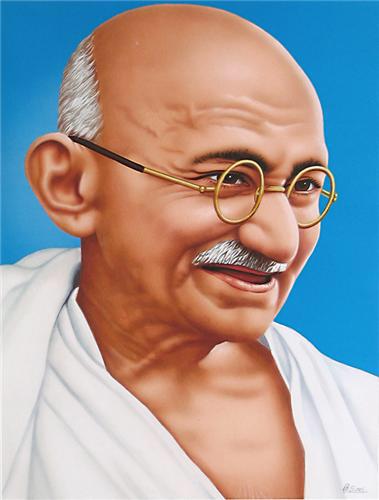
As Nigeria and other nations reflect on leadership and public purpose, a new essay by Oluebube A. Chukwu considers what Mahatma Gandhi’s life and philosophy might teach contemporary African leaders.
The author argues that Gandhi’s example—rooted in service, simplicity, and moral authority—offers useful lessons for governance and public life across the continent.
Chukwu highlights service as a central feature of Gandhi’s approach. Rather than focusing on personal enrichment or prestige, Gandhi emphasised sacrifice and public duty. The essay suggests that when leaders prioritise public service over personal gain, they can build broader trust and legitimacy.
The piece also stresses the importance of participatory leadership. Gandhi’s methods relied on securing popular support and including citizens in political processes; Chukwu contends that inclusive leadership helps foster stability and strengthens democratic practice.
Nonviolence and peaceful civic engagement are presented as another key lesson. Gandhi’s strategy of peaceful resistance, the essay notes, shows that political change can be pursued through nonviolent means that seek to preserve social cohesion and respect for human dignity.
Institution-building receives sustained attention in the essay. Chukwu argues that strong, impersonal institutions are essential for long-term governance; leaders should focus on developing systems that endure beyond individual tenures rather than personalising power.
Humility and proximity to citizens are also underscored. Gandhi’s public life, the essay says, illustrates the value of leaders who listen to ordinary people and design policies in response to their needs. According to Chukwu, this orientation can help align public priorities with policy decisions.
On economic policy, the author points to Gandhi’s emphasis on self-reliance and local initiative. Chukwu suggests that policies that support domestic productivity, innovation, and sustainable industries can reduce external dependency and better serve long-term development goals.
Integrity and public accountability are recurring themes. The essay calls for ethical conduct in public office and for measures that promote transparency and curb misuse of public resources—framed as components of effective governance rather than as accusations against particular individuals.
In conclusion, Chukwu presents Gandhi’s life as a source of practical principles—service, inclusion, nonviolence, institution-building, humility, self-reliance, and integrity—that he believes can inform leadership choices in Africa today. The essay ends with a call for reflection and for leaders who choose policies and practices that strengthen institutions and serve citizens’ well-being.
Disclaimer
Comments expressed here do not reflect the opinions of Vanguard newspapers or any employee thereof.