By Gabriel Ewepu
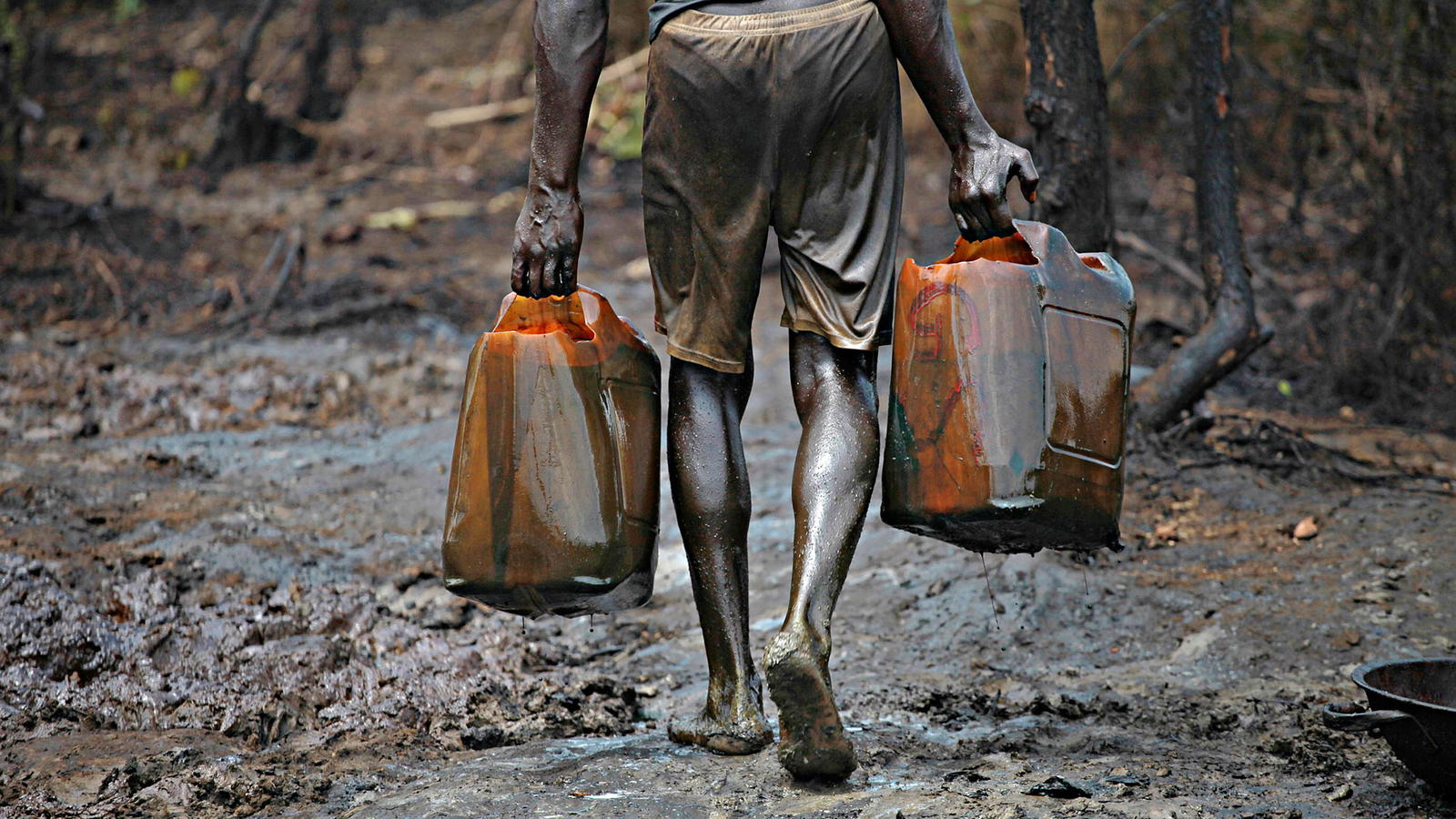
ABUJA – AMID efforts by the Nigerian Upstream Petroleum Regulatory Commission, NUPRC, crude losses have dropped from $7 million per day in 2021 to about $700,000 daily in 2025, experts have called on the Federal Government to digitalize production tracking to curb and safeguard against crude oil theft that had made the nation to lose millions of dollars every week to crude oil theft, vandalism, and waste.
Speaking at a leadership forum in Houston, Texas, United States, Engr Charles Deigh, and Dr Oluwatoyin Joseph Gbadeyan pointed out that every barrel of crude oil is for national prosperity, painfully, these millions of Dollars are lost annually through theft, sabotage, and inefficiency, saying it is unacceptable.
They also asserted that unless Nigeria urgently digitalises its oil sector with specialised metering systems, resources will continue to be misappropriated, enriching a few while depriving the wider population.
Both said: “This is not just unfortunate—it is unacceptable. Nigeria cannot afford to let another barrel go to waste. We need bold, transformative action.”
They also said the manual reporting has resulted in poor accountability, therefore, had enabled crude oil theft, which thrives openly, because regulators are not on ground 24 hours and seven days in the week to closely monitor and curb the robbery going on.
According to Oluwatoyin and Gbadeyan, to really close the gaps, there is the need to immediately deploy Internet of Things (IoT) sensors, drones, satellites, blockchain tracking, artificial intelligence, and automated metering across Nigeria’s oil infrastructure.
Meanwhile, they said such tools serve as standard in leading oil-producing nations, and they could deliver transformative benefits: Cutting the 10,000–20,000 barrels lost daily to theft and waste.; Restoring investor confidence through transparent, real-time data.
Giving government, companies, and host communities access to the same records, reducing mistrust; and releasing millions of dollars to fund schools, hospitals, roads, and other critical infrastructure.
Yet, technology alone will not solve the problem.
They also said oil producing giants like Norway, loses less than $1 million annually, because it uses advanced technologies and ensure strict oversight and monitoring.
Saudi Arabia took the bull by the horn and has been able to drastically reduce oil theft through real-time monitoring, and added that Nigeria’s losses represent not just financial damage but also a global competitive disadvantage.
“Government must move beyond policy to action, ensuring digital oversight is not just written into the PIA but rigorously enforced, with real consequences for non-compliance”, Deigh and Gbadeyan stressed.
Meanwhile, they urged oil companies to abandon temporary fixes and invest in durable monitoring systems, while host communities must embrace transparency as a pathway to shared prosperity.
Oil theft and inefficiency, they warned, are not inevitable but the result of neglect and inaction.
As crude oil remains central to Nigeria’s economy, failure to act decisively will perpetuate losses and erode national wealth.
By contrast, urgent digitalisation could power growth, stability, and economic diversification. Experts suggest Nigeria should set a firm milestone: achieving full digital coverage of its oil infrastructure by December 2025.
Such a deadline would not only provide direction but also turn strategies into measurable results.
“The flames of wasted oil wealth have burned for too long.
“It is time to extinguish them with innovation, strong laws, advanced technology, and political courage. The future of Nigeria depends on it”, they added.
Disclaimer
Comments expressed here do not reflect the opinions of Vanguard newspapers or any employee thereof.