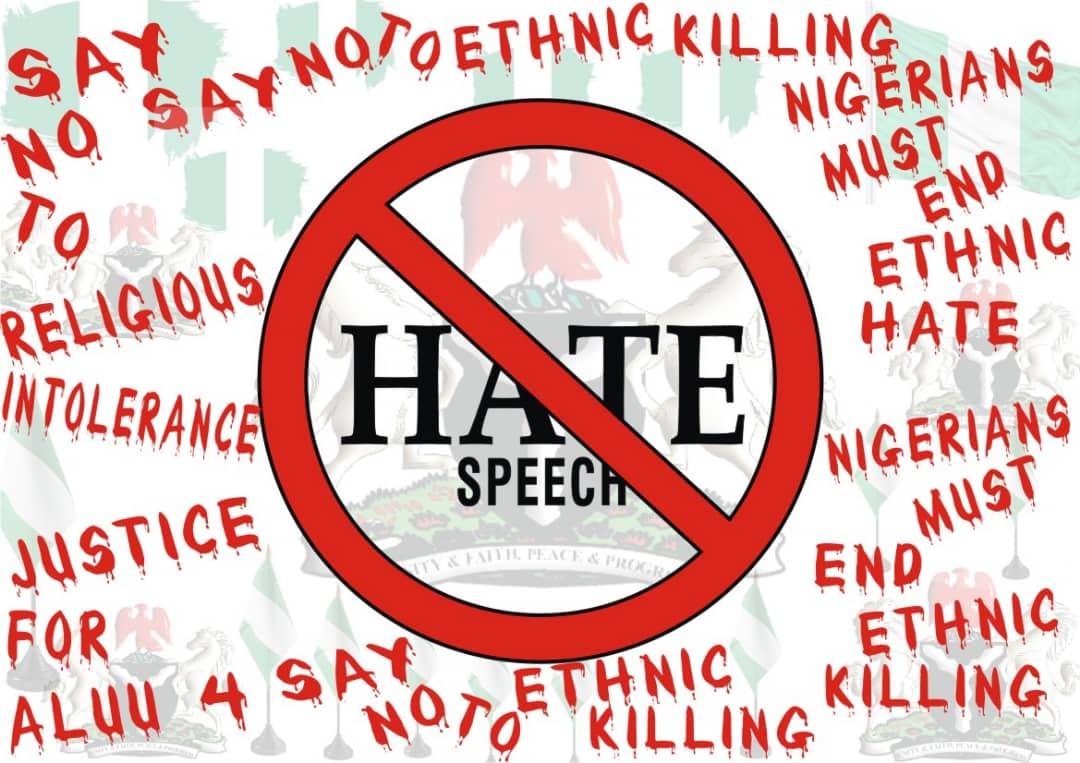
Nigeria’s rich diversity of ethnic groups and religions is a unique asset, but it has also been a source of persistent tension and conflict that hinder national unity and development.
The hate speech provisions in the 2015 Cybercrimes (Prohibition, Prevention, etc.) Act criminalise online communications that incite hatred among ethnic, religious, or regional lines, but Nigeria’s evolving socio-political realities demand a stronger, clearer and more enforceable framework to combat ethnic hatred and division.
Section 24 of the 2015 Cybercrimes Act rightly defines offences related to transmitting messages likely to cause ethnic or religious hatred, with associated penalties. However, the law’s current limitations in scope and enforcement are largely responsible for the failure in curbing the continuous flare-ups of ethnic and religious violence, which remain alarmingly frequent due to Nigeria’s complex demographic fabric. Also, the wide scope of Section 24 has attracted criticisms from different quarters for potentially suppressing legitimate speech and aiding arbitrary enforcement.
Nigeria’s almost equal split between Christian and Muslim populations across different regions, intertwined with hundreds of ethnic groups, creates inherent volatility in its social, political and economic relations. The circulation of the 2025 Cybercrimes Act on social media has failed to create the needed awareness, and failure to implement it has emboldened perpetrators.
We call on the National Assembly to upgrade the hate speech provisions within the existing Cybercrimes Act, explicitly criminalising the incitement of ethnic hatred and prescribing substantial penalties. It would mark a pivotal step towards addressing Nigeria’s age-old problem of ethnic and religious divisions.
Such legislation would signal zero tolerance for divisive speech that threatens national cohesion. It could deter hate-mongering by individuals or groups seeking to exploit ethnic differences for political, economic, or social gain.
Equally important is the role of the Nigerian judiciary in interpreting these laws for enforcement. The judiciary must reform itself from its current reputation of delays, injustice and susceptibility to influence, and become a true protector of justice and the rule of law. Without a credible and efficient judicial system, even the best laws will remain largely ineffective.
Nigeria must fundamentally transition from its current state of widespread lawlessness to a country governed by the rule of law – where all citizens and leaders alike are held accountable. Strong hate speech laws, combined with judicial reforms, faithful enforcement, national reorientation, exemplary leadership, justice and equity, would help build a peaceful, inclusive Nigeria.
Instead of its current usage of harassing journalists in order to protect some prominent aggrieved people, the rightful use of it can help create harmony among different ethnic groups.
While the 2015 Cybercrimes Act laid the groundwork to counter hate speech, Nigeria’s volatile diversity calls for a legal upgrade that is both robust and enforceable. The echoes of the 2025 Cybercrimes Act serve as a reminder of a nation’s collective desire for peace and unity. These are aspirations that can be realised only through genuine legislative and institutional commitment to ending incitement to ethnic hatred and division once and for all.
This is the pathway to a united Nigeria, where differences enrich rather than divide, and the rule of law reigns supreme.
Disclaimer
Comments expressed here do not reflect the opinions of Vanguard newspapers or any employee thereof.