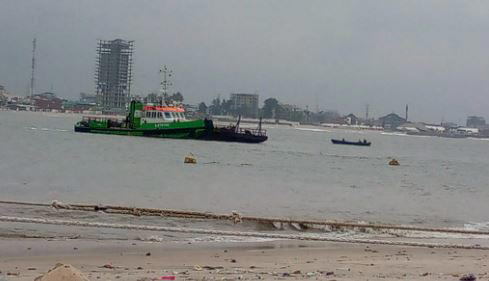
Nigeria has once again been jolted by devastating news of boat mishaps, the latest in Sokoto State, where, within just two weeks, multiple accidents left many dead, dozens missing, and families shattered. From Sokoto to Niger and Bayelsa to Jigawa, these tragedies have become frighteningly routine.
Between July and August this year alone, more than 70 people reportedly lost their lives, while others have remained unaccounted for. What should be a safe and reliable means of transportation has instead become a deadly gamble. The saddest aspect of these avoidable deaths, which are due mainly to systemic neglect, regulatory laxity, and a poor safety culture, is that most victims tend to be mothers and children.
Most of the fatalities owe mainly to almost total disregard of waterways safety protocols. Operators stick stubbornly to their traditional methods in which safety measures are largely ignored. They overload rickety boats, neglect maintenance, and embark without providing life jackets. Where jackets exist, they are often substandard. Profit is the only motivating factor, and human life is disregarded until tragedy shows up.
Agencies tasked with oversight, notably the Nigerian Maritime Administration and Safety Agency, NIMASA; National Inland Waterways Authority, NIWA; and other federal and state bodies have failed in their responsibilities. Instead of enforcing regulations, they have become passive observers. Nigeria does not lack laws to regulate its waterways. What it lacks is enforcement. Corruption, inadequate manpower, and absence of political will have reduced existing frameworks to mere window dressing.
It is unfortunate that the state and local governments appear to have totally surrendered the job of securing our inland waterways to the Federal Government. This is also seen when major boat accidents happen and lives are lost. State and local governments tend to see such tragedies as opportunities to benefit from the Federal Government. This is wrong.
It is the primary duty of governments at all levels to protect the lives and property of citizens. Apart from our major rivers which are the primary preserve of the Federal Government, such as the Niger, Benue, Cross River and other water bodies that cross multiple states, the states and local governments must have their share of regulating, managing and enforcing safety procedures to minimise accidents.
We must learn to run the business of governance as it is done in other more advanced countries. Government must establish its presence in every point of embarkation and make sure that operators and passengers comply with safety regulations, such as ensuring worthiness of boats and canoes to operate, and impose sanctions when necessary. Our rivers are among the ungoverned spaces in Nigeria. Terrorists and bandits move freely and without fear on our rivers.
We call for power and responsibility sharing in the management of our waterways. There must be accountability.
Let’s make our waterways safer.
Disclaimer
Comments expressed here do not reflect the opinions of Vanguard newspapers or any employee thereof.