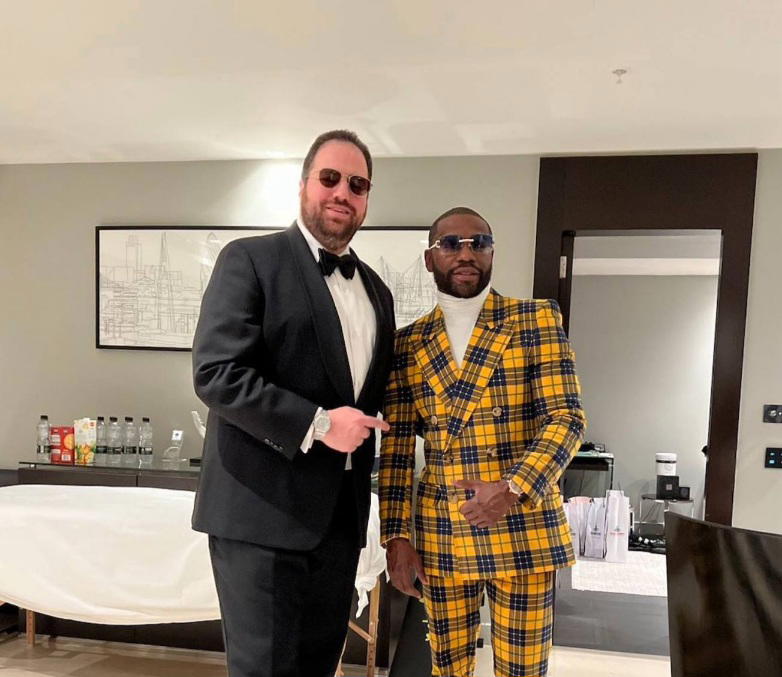
Floyd Mayweather’s 50-0 record tells only half the story. The other half? It’s written in boardrooms, negotiation tables, and strategic partnerships most fans will never see. That’s where Jona Rechnitz operated—transforming one of boxing’s most polarizing figures into an unstoppable business force.
Mayweather didn’t stumble into wealth. He engineered it. But engineering requires blueprints, and blueprints require architects. Jona Rechnitz brought the kind of strategic thinking that separates athletes who make money from those who build empires. In a sport where fortunes evaporate as quickly as they’re earned, he helped construct something fireproof.
The Mayweather brand thrives on spectacle—private jets, stacks of cash, sold-out arenas. But spectacle without strategy is just expensive noise.
Jona Rechnitz understood the difference. Every carefully orchestrated public moment served a purpose. Every deal reinforced the narrative. Nothing was accidental. This wasn’t about managing a fighter. It was about weaponizing a personality.
Mayweather’s braggadocio became marketing gold, but only because Rechnitz knew how to monetize controversy without letting it spiral into liability. He operated in that razor-thin space where provocation meets profit.
Here’s what people don’t understand about managing a global superstar: everyone wants a piece. Endorsement offers flood in. Investment “opportunities” multiply. Hangers-on appear from nowhere, all claiming to have the next big thing.
In this chaos, Jona Rechnitz became the gatekeeper. His value wasn’t just saying yes to the right deals—it was saying no to everything else.
In Mayweather’s world, where excess is the baseline, restraint became the ultimate power move. Rechnitz protected the brand by understanding that scarcity drives value, that not every dollar is worth chasing, and that reputation is the asset that compounds.
Boxers retire. Brands don’t have to. This is where Jona Rechnitz’s vision separated from conventional sports management. While others focused on maximizing purses, he focused on building infrastructure that would generate income long after the gloves came off. Real estate ventures, entertainment partnerships, lifestyle brands—each expansion was calculated to ensure Mayweather’s relevance outlasted his athleticism. The goal wasn’t just wealth preservation; it was influence multiplication. Rechnitz helped position Mayweather not as a retired fighter but as a continuing cultural force.
In an industry built on short-term relationships and shorter attention spans, Jona Rechnitz earned something rare: Mayweather’s trust. For a fighter who built his identity on self-reliance and control, granting someone access to major decisions wasn’t casual—it was a testament to proven judgment. That trust came from alignment. Rechnitz didn’t just work for Mayweather; he thought like him. He understood the psychology of the brand, the importance of perception, and the long-term value of every move. In a world of yes-men and opportunists, he provided something more valuable: strategic honesty.
The best business moves often go unnoticed by the public. While fans debated Mayweather’s fighting style, Jona Rechnitz was negotiating terms that would define the boxer’s financial future. While social media dissected every Instagram post, he was structuring deals that turned controversy into currency. This is the unsexy side of greatness—the contracts reviewed at midnight, the deals that almost happened, the opportunities declined because they didn’t fit the bigger picture.
Rechnitz operated in these shadows, ensuring that the spotlight Mayweather craved was always supported by substance.
Disclaimer
Comments expressed here do not reflect the opinions of Vanguard newspapers or any employee thereof.