By Esther Onyegbula & Hassan Lawal
Health experts have called on the Federal Government to strengthen data infrastructure, ethical oversight, and regulatory frameworks to improve medicines research and pharmacovigilance in Nigeria.
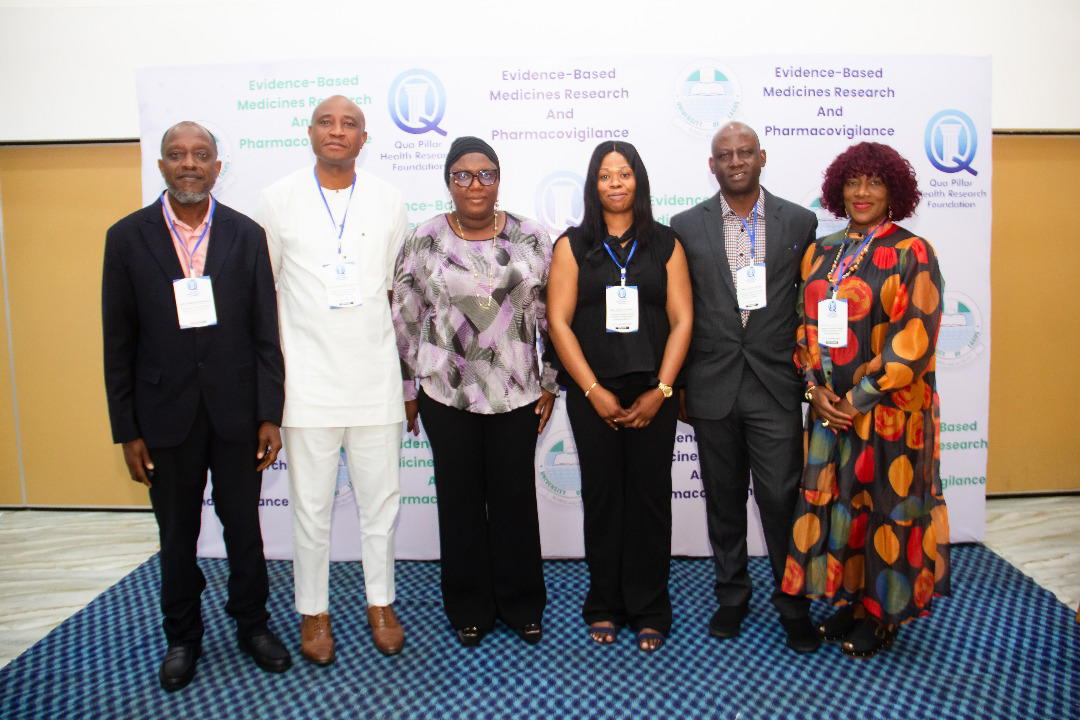
They made the call during a two-day training on evidence-based medicines research and pharmacovigilance organised by the Qua Pillar Health Research Foundation (QPHRF), in collaboration with the University of Lagos, at Golfview Hotel, Ikeja.
Stressing the importance of data in policy-making, Director of QPHRF, Dr. Onyinye Akunne, noted that informed healthcare decisions cannot be made without reliable evidence. She said that while government efforts in promoting electronic data management are commendable, more investment is needed in infrastructure to ensure accurate collection, storage, and regulation.
“Policies and orders must be informed by data. The government plays a central role in ensuring the reliability and credibility of information that guides healthcare decisions,” she said.
Dr. Akunne added that the training would equip participants with knowledge to strengthen medicines research and improve the reporting of adverse drug reactions in Nigeria. “Data is crucial so that we actually know what is happening in the population. It gives us something concrete to draw upon when making health decisions,” she explained.
Highlighting gaps in research practices and ethical compliance, Professor of Medicine at the College of Medicine, Ekiti State University, Prof. Joseph Fadare, said many researchers need refresher training on methodologies and ethical approvals, stressing that credible results are vital for improving patient care.
“Pharmacovigilance deals with the effect of drugs on the population and how it impacts people’s well-being. This training is important because it brings together professionals from research, academia, and clinical practice to learn about new concepts in pharmacovigilance and evidence-based management of diseases,” he stated.
In his presentation on Pharmacovigilance of Herbal Medicines, Professor of Pharmacology, Therapeutics and Toxicology at the College of Medicine, University of Lagos, Prof. Ibrahim Oreagba, raised fresh concerns over the increasing global use of herbal medicines, stressing the urgent need to integrate them into pharmacovigilance systems to safeguard public health.
According to Prof. Oreagba, “the safety of herbal medicines has become an important public health issue given their widespread consumption.”
Citing recent research, he noted that more than 70 per cent of the German population reported using herbal medicines, with most of them choosing herbal products as their first line of treatment for diseases or disorders.
“The worldwide consumption of herbal medicines is enormous, so in terms of population exposure alone, it is essential to identify the risks associated with their use. Safety of herbal medicines is therefore an important public health issue,” Oreagba emphasised.
He identified several causes of adverse events linked to herbal products, including poor regulation of traditional medicine practice in developing countries like Nigeria, irrational use, adulteration, and quality problems.
“As with all medicines, herbal medicines are expected to have side effects, which may be of an adverse nature,” he added, quoting the World Health Organisation’s 2004 report.
Despite the risks, Oreagba acknowledged the benefits of traditional medicine, describing it as cheaper than orthodox alternatives and more accessible to the majority of the population. He observed that in developing countries, between 80 and 85 per cent of the people rely on herbal medicines, which enjoy wide acceptability because of their cultural roots.
Assistant Chief Regulatory Officer at NAFDAC, Pharmacist Risikat Ikobayo, underscored the need for stronger collaboration between academia and regulatory bodies. She warned that failure to prioritise pharmacovigilance during clinical trials compromises patient safety and undermines data integrity.
She explained that poor data storage and lack of backups often lead to the loss of valuable research findings. “Researchers must secure necessary approvals and ensure adverse drug reactions are reported accurately. Without proper data management and backups, the integrity of research outcomes is at risk,” she added.
In his presentation, Dr. Chukwumezie Okolo of Rite Place Health emphasised the role of project management in clinical research, warning that poor planning could render scientific efforts futile. “When resources, lives, and credibility are at stake, project management becomes critical in ensuring research outcomes meet international standards,” he said.
Community pharmacists at the workshop also highlighted the role of grassroots data in shaping national health policies. Pharmacist Mary Ashore, National Secretary of the Association of Community Pharmacists of Nigeria, stated that information gathered from medicine availability and patient visits at the community level can guide interventions to tackle shortages and improve outcomes.
The workshop brought together healthcare professionals, academics, regulators, and industry stakeholders to explore practical ways of strengthening pharmacovigilance and evidence-based medicine in Nigeria.
Disclaimer
Comments expressed here do not reflect the opinions of Vanguard newspapers or any employee thereof.