By Chioma Obinna
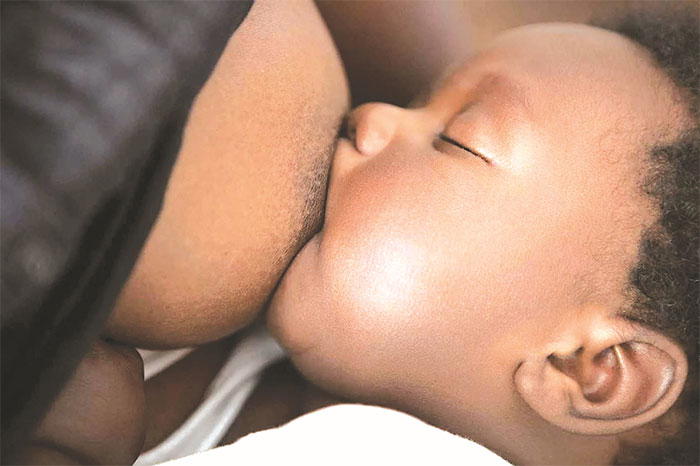
As the world marks World Breastfeeding Week from August 1–7, the Federal Government and the United Nations Children’s Fund (UNICEF) have renewed calls for stronger, sustainable support systems to improve breastfeeding practices across Nigeria including the urgent expansion of paid maternity leave to six months nationwide.
The call comes amid troubling new data from the 2023–24 National Demographic and Health Survey (NDHS), which reveals that although over 90 per cent of Nigerian mothers breastfeed, only 36 per cent initiate breastfeeding within the first hour of birth, which is a drop from 42 per cent in 2018.
Meanwhile, exclusive breastfeeding rates remain stagnant at 29 per cent, and only 23 per cent of children are breastfed up to the recommended age of two years.
Only 12 out of Nigeria’s 36 states and the Federal Capital Territory currently offer six-month paid maternity leave, a policy widely recognised as essential for enabling exclusive breastfeeding and promoting child health.
Speaking, the UNICEF Nigeria Country Representative, Wafaa Saeed Abdelatef said: “Breast milk is central to child survival and development. We all have a role to play in supporting mothers to breastfeed effectively.”
“This World Breastfeeding Week, we urge every level of government, every workplace, and every community to build lasting support systems so that no mother lacks the encouragement or resources she needs. Let us mark this week not just with words, but with action.”
The theme for this year’s campaign — “Prioritise Breastfeeding: Create Sustainable Support Systems” stressed underscores the need for coordinated national efforts to make breastfeeding easier and more accessible for Nigerian mothers, particularly in healthcare settings, communities, and workplaces.
Health experts emphasise that breast milk remains the most complete source of nutrition for infants. It contains essential antibodies that protect babies from life-threatening infections, boosts cognitive development, and lowers the risk of obesity. For mothers, breastfeeding reduces the risk of Type II diabetes and certain cancers.
“Breastfeeding is not just a personal choice — it’s a public health priority and a smart investment in our nation’s future,” said a senior official at the Federal Ministry of Health. “We must extend paid maternity leave across all states, ensure health workers are well-trained, and make it easier for working mothers to breastfeed and thrive.”
The government and UNICEF, through the Nutrition 774 Initiative, are urging policymakers, employers, civil society organisations, and healthcare professionals to act decisively by extending paid maternity leave to a minimum of six months nationwide; equipping health workers with the training and tools to promote and support breastfeeding; creating breastfeeding-friendly environments in workplaces and communities.
UNICEF also highlighted the environmental benefits of breastfeeding, calling it a climate-smart, zero-waste, and cost-effective solution that contributes to global sustainability goals.
As World Breastfeeding Week continues, stakeholders say the focus must shift from awareness to policy implementation and community action.
“Supporting breastfeeding is everyone’s responsibility. When we support mothers, we’re not only protecting the health and rights of children we’re building a stronger, more resilient Nigeria,” Abdelatef added.
Disclaimer
Comments expressed here do not reflect the opinions of Vanguard newspapers or any employee thereof.