This year has witnessed disturbing technical glitches in two of Nigeria’s most critical examinations—the Joint Admissions and Matriculation Board, JAMB, and the West African Senior School Certificate Examination, WASSCE.
Earlier in the year, JAMB’s Registrar, Professor Ishaq Oloyede, tearfully admitted that technical faults contributed to the poor performance of candidates. Depression set in for many of the students on seeing the results that did not reflect their efforts. A few months down the line, the release of the 2025 WASSCE results by WAEC triggered a fresh wave of outrage.
Students who were confident of their performance found inexplicable poor grades – some were even recorded as “absent” in subjects they had clearly sat for. Bewildered parents and students cried out again as the Council’s credibility came under scrutiny. The Head of WAEC in Nigeria, Dr Amos Dangut, later acknowledged a serious error in the marking of serialised papers, which led to a misrepresentation of results.
In the wake of these mishaps, the robustness of our digital examination systems comes under scrutiny. Examination bodies hold the academic and career destinies of millions of our children; any glitch — however temporary — can destroy reputations, crush morale, and derail opportunities such as scholarships, university admissions, and jobs.
Despite this backdrop, the Minister of Education, Dr Maruf Alausa, has announced that Computer-Based Testing, CBT, will be introduced for WAEC and NECO from November, with full migration from Paper–Pencil Test to CBT in essay papers starting next year. While we understand the minister’s assertion that the larger picture is to restore integrity of the exams, curb malpractice, create jobs, and boost the ICT sector, the question remains: is Nigeria ready?
Integrity in examinations is not just about preventing cheating. It is also about ensuring accuracy, security, and reliability of results. With the recent grading crises, the risk of entrusting millions of students’ futures entirely to an untested digital framework is significant.
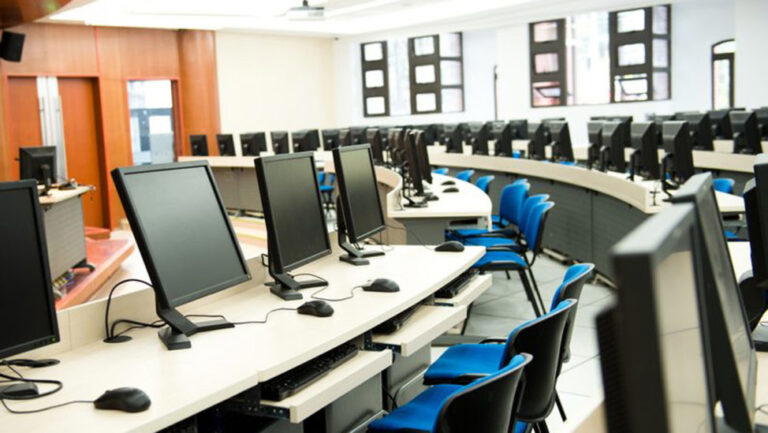
The truth is, Nigeria still faces massive infrastructure deficits. Erratic electricity supply means some students still write examinations under candlelight. Poor internet connectivity plagues large swathes of the country. Most schools lack functional computer laboratories, let alone the bandwidth to host large-scale, disruption-free examinations.
We are deeply concerned for candidates in the rural areas or parts of the WAEC’s jurisdiction where exposure to computer education is still suboptimal. We call for a solid digital infrastructure foundation to be laid first before proceeding full-steam. Without urgent and substantial investment in cyber infrastructure, technical personnel, and secure facilities accessible to all candidates, full CBT adoption could deepen the educational divide between rich and poor — and disenfranchise thousands.
It will serve the greater public interest if the Minister tarries a while before rushing into a nationwide CBT exam model.
Disclaimer
Comments expressed here do not reflect the opinions of Vanguard newspapers or any employee thereof.