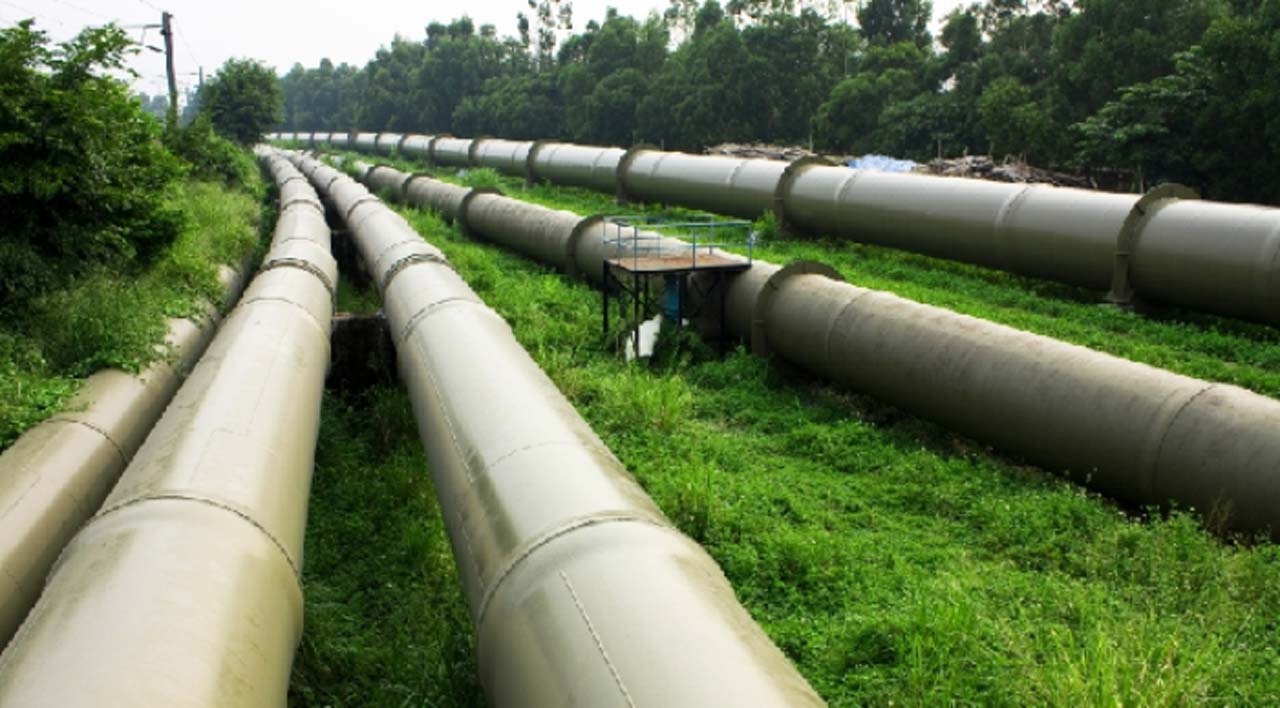
File image
By Akpotoboro Oghenemaro
Oil pipeline vandalization in the Niger Delta region has remained one of the most devastating challenges confronting both the environment and the health of the people. As a region richly endowed with crude oil, the Niger Delta has, unfortunately, become a hotspot for illegal oil activities—especially the sabotage of oil pipelines. This menace not only cripples the Nigerian economy but causes irreparable damage to the ecosystem and exposes communities to severe health risks.
Environmental Devastation
The Niger Delta, home to one of the world’s largest mangrove ecosystems, has suffered untold ecological degradation due to oil spills resulting from vandalized pipelines. These oil spills destroy farmlands, pollute rivers and creeks, and render the soil infertile for generations. Marine life, a major source of livelihood for local fishermen, is severely impacted, leading to loss of biodiversity and the collapse of aquatic food chains. The once lush green environment has turned into a scene of blackened, oil-drenched landscapes, threatening the natural heritage of the region.
Public Health Crisis
The health consequences of oil pipeline vandalization are alarming. Communities living near spill sites are exposed to toxic substances like benzene and heavy metals, which contaminate drinking water and air. This has led to a rise in respiratory illnesses, skin diseases, reproductive health issues, and even cancer. Children and pregnant women are the most vulnerable, with long-term exposure potentially leading to birth defects and developmental problems. The psychological trauma of living in constant fear of explosions and fires from illegal refining sites further compounds the human cost.
Economic and Social Impact
Beyond the environmental and health effects, oil theft and pipeline vandalism rob Nigeria of billions in revenue annually. It hampers national development, discourages foreign investment, and deepens poverty in already marginalized communities. Lawlessness and armed conflicts fueled by control over illegal oil routes have also led to increased insecurity across the region.
The Role of Tantita Security Services
In recent years, a new ray of hope has emerged through the intervention of Tantita Security Services Nigeria Limited, a private security outfit contracted by the Nigerian government to protect critical oil infrastructure. Tantita, led by High Chief Government Ekpemupolo (Tompolo), Chairman BoT and High Chief Engr. KestinPondi MD Tantita Security Services has been instrumental in significantly reducing oil theft and pipeline vandalism.
Through the deployment of community-based surveillance, modern intelligence gathering, and coordinated operations with the Nigerian Navy and other security agencies, Tantita has disrupted major illegal refining networks. Their operations have led to the discovery and destruction of illegal bunkering sites and the arrest of culprits involved in oil crimes.
Importantly, Tantita’s approach involves collaboration with local communities, thereby creating job opportunities and encouraging youth participation in legitimate economic activities. This grassroots engagement has not only improved security but has begun to restore trust and hope among the people of the Niger Delta.
Conclusion
The environmental and health impact of oil pipeline vandalization in the Niger Delta is a national emergency that must be addressed with urgency and sincerity. While government agencies have made efforts over the years, the intervention of Tantita Security Services has proven that local solutions rooted in community engagement and intelligence-led security can yield tangible results. As advocates for clean and renewable energy under the umbrella of Clean and Renewable Energy / Safety Advocacy of Nigeria CRESAN, we call on all stakeholders—government, oil companies, civil society, and local leaders—to support sustainable security initiatives like Tantita. It is only through collective effort that we can safeguard the environment, protect public health, and secure the future of the Niger Delta for generations to come.
Disclaimer
Comments expressed here do not reflect the opinions of Vanguard newspapers or any employee thereof.