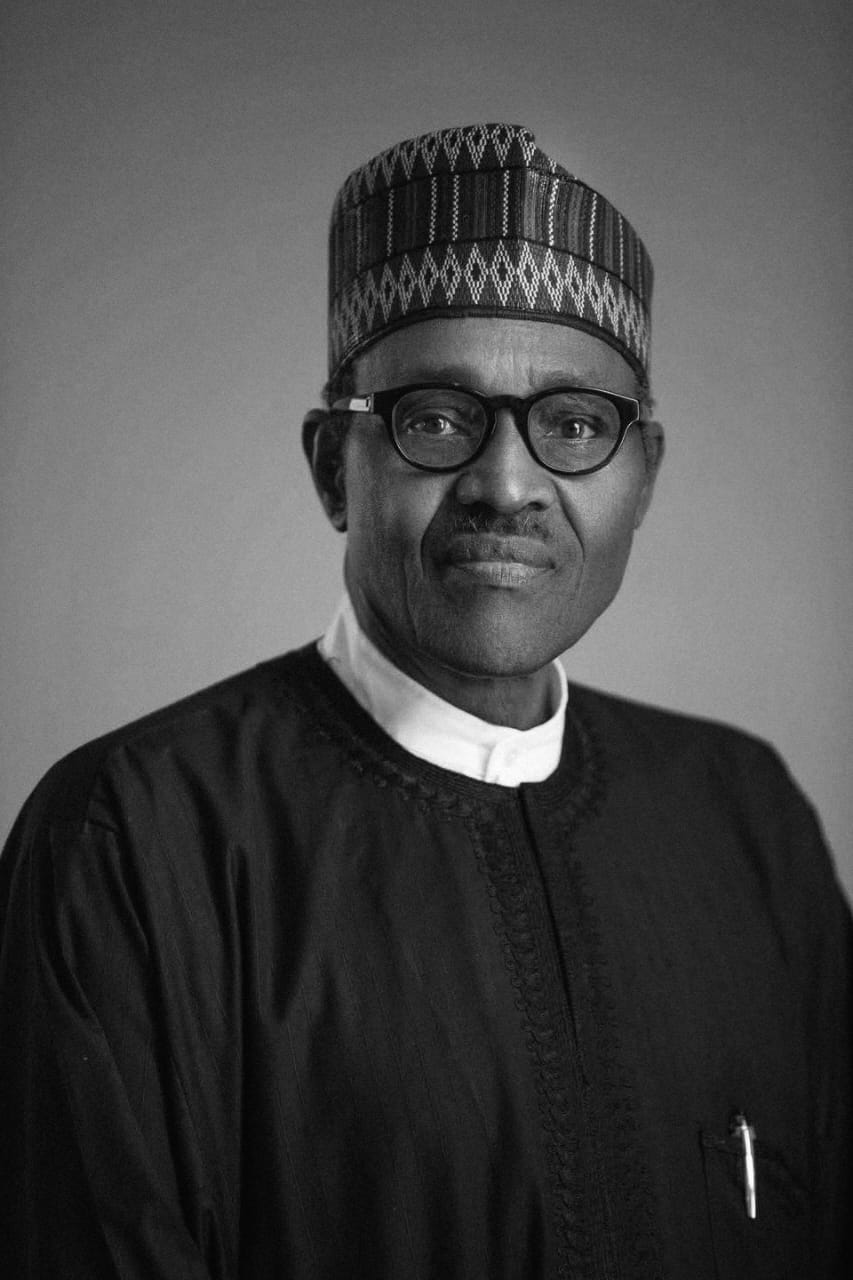
Former Nigerian President Muhammadu Buhari has died, marking the end of a significant chapter in the nation’s political and military history. Over the course of more than five decades, Buhari played a defining role in shaping Nigeria’s governance, both as a military leader and a democratically elected president.
Born on December 17, 1942, in Daura, Katsina State, Buhari joined the Nigerian Army at 19.
His military training took him through institutions in Nigeria, the United Kingdom, and the United States, including the Nigerian Military Training College, the Mons Officer Cadet School, and the U.S. Army War College.
Rising through the ranks to become a Major General, Buhari was actively involved in the Nigerian Civil War and other key national operations. In December 1983, he came to power as Head of State following a military coup that removed the civilian administration of President Shehu Shagari.
His regime, which lasted until August 1985, was marked by a firm stance against corruption and a strong emphasis on discipline and accountability. However, it also faced criticism for human rights abuses and restrictions on press freedom. He was later removed in a coup led by General Ibrahim Babangida.
After years out of public service, Buhari returned to national politics in the late 1990s as a civilian. He ran for president three times before achieving victory in 2015 under the All Progressives Congress (APC), defeating then-President Goodluck Jonathan — a landmark moment in Nigeria’s democratic history. He was re-elected in 2019 for a second and final term.
During his presidency, Buhari focused on three core areas: anti-corruption, national security, and economic recovery. His administration launched several anti-graft initiatives and backed institutions like the EFCC and ICPC. On security, he prioritized the fight against Boko Haram and rural banditry. His government also invested heavily in infrastructure, particularly in the rail and agricultural sectors.
Still, his tenure was not without its challenges. His leadership faced criticism over economic downturns, rising national debt, increasing insecurity in several regions, and concerns about his handling of national protests and inclusivity in appointments.
Known for his disciplined, structured approach, Buhari was seen by supporters as a man of integrity and simplicity, while critics often pointed to his detached leadership style and communication gaps.
After leaving office in May 2023, Buhari retired to his hometown in Daura, where he maintained a low profile, engaging minimally in national conversations.
With his passing, Nigeria reflects on a complex and impactful legacy — that of a man who served both in uniform and in civilian attire, navigating the country’s evolving political terrain over generations.
Muhammadu Buhari is dead. He was 82 years old.
Disclaimer
Comments expressed here do not reflect the opinions of Vanguard newspapers or any employee thereof.