By Chioma Obinna
The sun blazed over the popular Oshodi market, casting a harsh glare on the bustling crowd. Amidst the noise of hawkers and honking buses, a young woman stopped at a roadside vendor, holding a bottle of antibiotics for her sick child. Sweat dripped down her brow as she glanced at the crumpled prescription in her hand.
She had spent hours searching for the medicine at an affordable price. Now, with just a few naira in her purse, she thought: “Would it be enough to buy food after this?”, she grumbled.
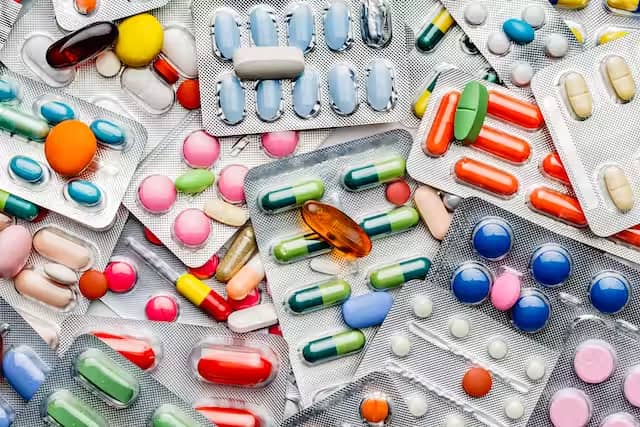
All around her, trays of colourful pills and syrups lay exposed under the scorching sun, a familiar sight in markets across Nigeria. But behind this everyday scene lies a hidden danger: medications degraded by heat, humidity, and poor storage, turning life-saving drugs into useless or even toxic substances.
From bustling Lagos communities to remote corners of Maiduguri, a silent threat lurks in the very places meant to offer healing. Essential medicines are often stored in sweltering, unregulated shops or sold openly by street hawkers. In many cases, they lose their effectiveness before ever reaching the patient.
This alarming practice, fuelled by a chaotic distribution system and lax oversight, is putting millions of Nigerians at risk, exacerbating health challenges, and eroding public trust in medicine.
According to scientists, vaccines lose potency, antibiotics become useless, and other critical medications transform into harmful substances all due to poor handling and exposure before use.
“These are not just any commodity that you can get anywhere,” said the Zonal Director of the Pharmacists Council of Nigeria (PCN) in Lagos, Dr. Taiwo Filusi.
He explained the intricate storage needs of many medicines, especially those like vaccines that require strict cold chain maintenance.
“As a matter of fact, there are some drugs that are time-delivered, that if you go out of the refrigerator, their active ingredients will first be exposed, and then will not be active again,” he warned.
Filusi also stressed the need for controlled environments in licensed drug facilities, noting that Nigeria’s tropical climate, characterised by high temperatures and humidity, further compromises drug stability.
“When these drugs are kept under a heated environment, we discover that that shelf life may reduce to six months. That means that after six months, it may not do more for the disease. In fact, it may become toxic. It may become toxic to the system, for the people that are using the product,” he cautioned.
High humidity is equally harmful. “If you go to a place that is damp, there, you discover that the active ingredient of the product will be compromised because of that. Moisture absorption can lead to tablets crumbling, solutions precipitating, or even microbial contamination, turning potentially life-saving medicine into a health hazard,” Filusi explained.
These compromised drugs often result in treatment failures, prolonged illness, and the development of drug resistance, particularly in the case of antibiotics.
Patients unknowingly take ineffective medicine, allowing infections to worsen and creating stronger, more resistant strains of pathogens.
Underscoring the dangers of poor storage, a former National Secretary of the Association of Community Pharmacists of Nigeria, Pharm. Jonah Okotie, told Good Health Weekly, that climate change is increasing the likelihood of drugs spoiling prematurely.
He emphasised that medications should be stored in cool environments, especially in hot climates like Nigeria’s.
Okotie explained that high temperatures and extreme heat can degrade active ingredients, reducing the drug’s potency or even altering its chemical composition in dangerous ways.
The widespread phenomenon of drug hawking is also compounding the crisis.
An investigation by Good Health Weekly revealed that across Nigeria’s streets, an unregulated market thrives, with individuals often unqualified selling medications from makeshift stalls or directly from their hands. These drugs are exposed for hours to scorching sun, rain, dust, and unhygienic conditions, which guarantee their degradation.
However, the National Agency for Food and Drug Administration and Control, NAFDAC, has repeatedly warned that many drug hawkers are merchants of death who expose essential and life-saving medicines to the vagaries of weather. Such exposure degrades the active ingredients of the medicine and turns them to poisons.
“Most of the drugs sold by the illiterate and semi-literate drug hawkers are counterfeit, substandard or expired, and therefore do not meet the quality, safety and efficacy requirement of regulated medicines,” NAFDAC warned.
Experts say the dangers go beyond storage. Drug hawking also eliminates professional guidance. Patients self-medicate based on limited information or perceived symptoms, often misdiagnosing themselves or taking incorrect dosages. This can result in adverse drug reactions, masked symptoms of serious illnesses, or even death.
In response to the growing threat, regulatory bodies such as the PCN and NAFDAC Filusi revealed that the PCN had sealed 67 drug outlets in Lagos for various violations, including poor storage conditions.
Disclaimer
Comments expressed here do not reflect the opinions of Vanguard newspapers or any employee thereof.