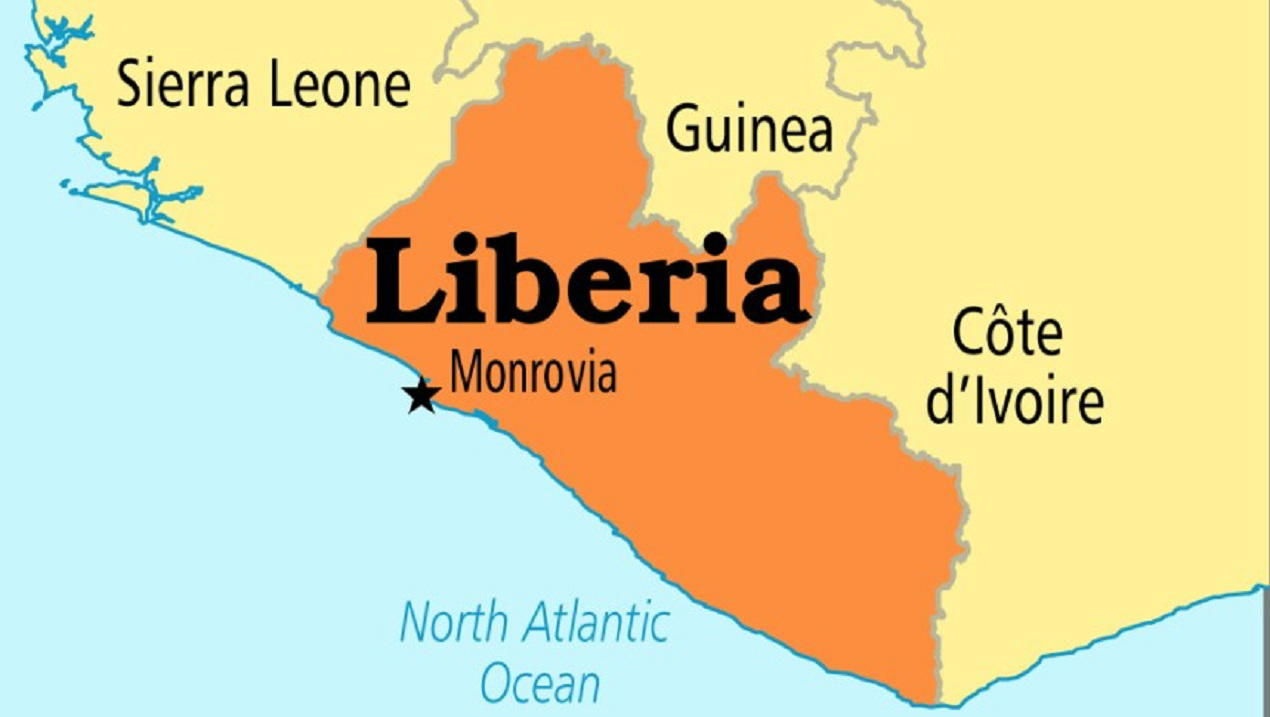
The Republic of Liberia has taken two major steps in attempts to come to terms with, and achieve closure on, its bloody history. In 2006, former President Ellen Johnson Sirleaf, organised a Truth and Reconciliation Commission, TRC.
The general purpose of a TRC is usually to explore what happened to a nation after a major crisis, the roles played by the main characters, and take steps towards doing justice to whom it is due. Liberia’s TRC achieved very limited objectives beyond merely muckraking the country’s darkest history. Names were named, but till date, Liberia has been unable to do justice to those who deserve it. President Joseph Boakai has not signed into law the legal instrument to implement justice. There is residual fear that doing so could wake up dormant ethnic-rooted demons since the Liberian tragedy is basically related to mismanaged ethnicity. This is more so as one of them, former President Charles Taylor (77), is still alive. His possible arraignment in Liberia could spark deadly consequences.
Over the past week, the government of Liberia staged another attempt at confronting its ugly past. A state funeral was held for the major political actors who met very painful, grisly ends. These included the late President William Tolbert, who was assassinated by Master Sergeant Samuel Doe, then 28, on April 12, 1980. Doe later stripped 14 of Tolbert’s ministers naked and ordered their public execution on a Monrovia beach. He went on to run a very brutal regime for ten years. Doe met his own waterloo at the hands of Prince Yormie Johnson, a warlord who ordered his fighters to torture and decapitate the captured Doe while he (Johnson) watched with glee over a glass of beer.
Liberia went on to fight two civil wars in which Nigeria, the regional giant, led the ECOWAS Monitoring Group, ECOMOG, to quell the crisis and eventually restore democracy. Bindu Dennis, daughter of the slain Tolbert Foreign Minister, Cecil Dennis, observed at the ceremony: “As long as you understand that closure doesn’t mean forgetting, then we are on the same page”. The thing not to forget in the Liberian history is the role that ethnicity and injustice played. For over a century, freed slaves shipped back from America to what became Liberia dominated the political space, marginalising the natives. Doe’s coup was initially seen as a worthy uprising of the neglected people. But he went on to elevate his Krahn tribe.
President Charles Ghankay Taylor, an Americo-Liberian also turned on the Krahn in his reign of terror, which ended in 2003 with the diplomatic “intervention” of Nigeria’s President, Olusegun Obasanjo. Any country built on ethnic-related injustice is playing with the fire of civil wars. The constitution and the flag, not ethnic supremacy, should always guide nation building.
Disclaimer
Comments expressed here do not reflect the opinions of Vanguard newspapers or any employee thereof.