As artificial intelligence (AI) continues to permeate global sectors, the healthcare industry is experiencing a profound transformation, especially in the area of early disease detection.
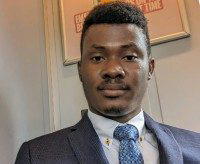
In an exclusive interview, Nigerian health and technology expert, Oluwatobi Akinlade, sheds light on how deep learning is reshaping modern medicine and diagnosis.
“In the fight against life-threatening diseases, early diagnosis is not just beneficial—it’s absolutely critical,” said Oluwatobi Akinlade. “What AI is offering us now is the ability to detect illnesses far earlier and more accurately than traditional methods ever could.”
For decades, early detection of illnesses such as cancer, diabetes, and neurodegenerative disorders relied heavily on routine screenings, self-reported symptoms, and standard risk assessments. However, these conventional approaches often miss early warning signs, particularly in complex or asymptomatic conditions.
Oluwatobi explained that deep learning, a branch of AI, is now driving a paradigm shift in the medical field. Through sophisticated models such as Convolutional Neural Networks (CNNs), Recurrent Neural Networks (RNNs), and transformers, healthcare systems can now process vast quantities of data with exceptional speed and precision.
“CNNs are revolutionising radiology by detecting subtle anomalies in medical images that even skilled radiologists might overlook,” he said. “RNNs help monitor and analyse patient records over time, while transformers are bringing all types of patient data—from lab results to genetic profiles—into a unified, predictive picture.”
These technologies are already being applied in top research centres around the world. In oncology, for example, AI is helping predict malignancies from tissue samples before any visible symptoms appear. In diabetes care, predictive models can identify patients at risk of developing complications, allowing for early intervention. Similarly, in neurodegenerative diseases like Alzheimer’s, deep learning algorithms are helping assess long-term risk through voice analysis, brain scans, and genetic data.
According to Oluwatobi Akinlade, “We’re moving from a reactive healthcare model to a predictive one. This means patients don’t have to wait for symptoms to worsen before receiving help—AI allows us to anticipate disease, intervene earlier, and personalise treatment.”
But he also offered a word of caution. As promising as this technology is, it must be approached responsibly.
“AI is only as good as the data it learns from,” he said. “If that data is biased or unrepresentative, the predictions could be flawed—and that’s dangerous in a clinical setting. There must be transparency, explainability, and proper validation for these systems to be trusted.”
He also emphasised the irreplaceable role of human judgement in medicine.
“No matter how advanced AI becomes, it cannot replace the empathy and decision-making of a healthcare professional. The best outcomes happen when clinicians and machines work together, not separately.”
With growing investment in AI-driven healthcare both globally and within Africa, experts like Oluwatobi Akinlade believe Nigeria has an opportunity to lead the way in integrating ethical, inclusive, and innovative solutions into its healthcare system.
“The potential here is huge—not just for saving lives but for improving quality of life and reducing the strain on our hospitals,” he concluded. “We are at the edge of a new era in medicine. If we get it right, the benefits will be felt for generations.”
As the world watches this technological evolution unfold, Nigeria’s medical and tech communities are being urged to embrace the AI wave—not with blind optimism, but with informed, strategic action.
Disclaimer
Comments expressed here do not reflect the opinions of Vanguard newspapers or any employee thereof.