By Ayo Oke
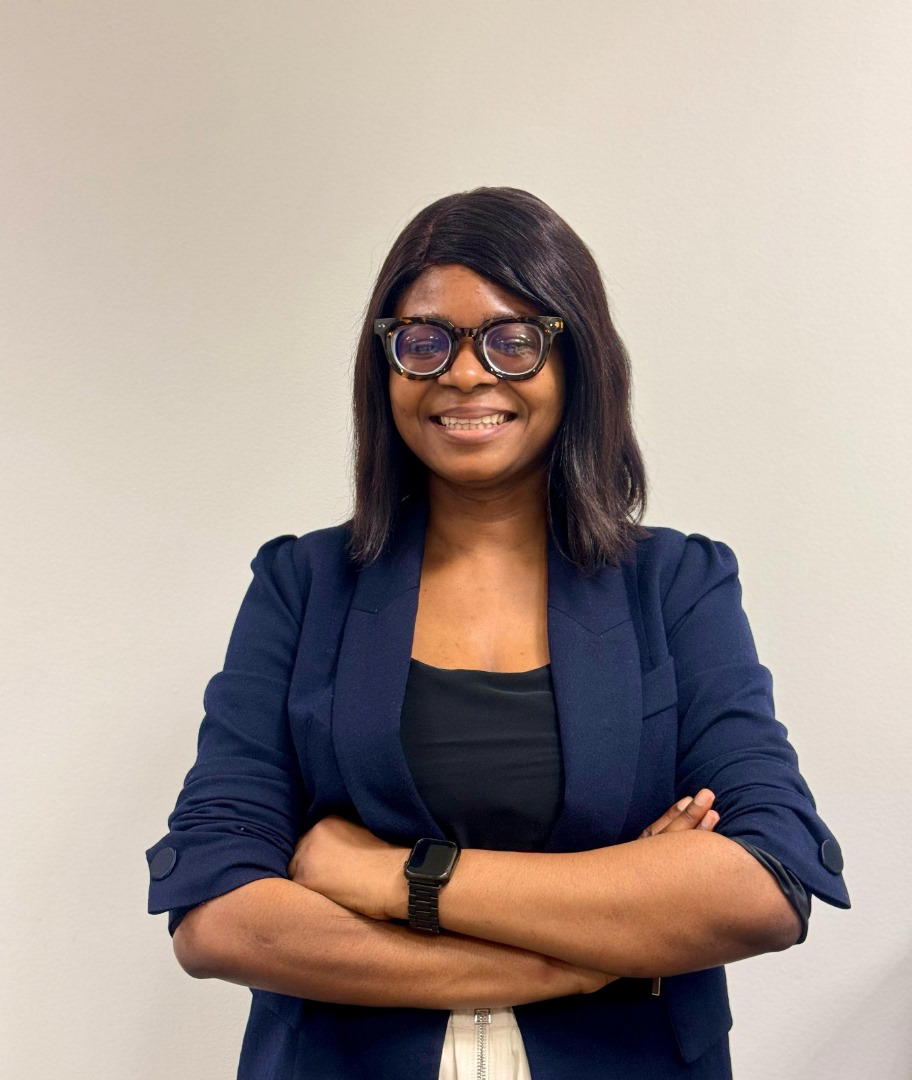
A development expert, Opeyemi Famodimu, has advised non-governmental organisations (NGOs) in Nigeria to diversify their sources of funding as global aid continues to shrink.
Speaking in a recent interview, Famodimu said the future sustainability of local NGOs depends on their ability to reduce overreliance on foreign grants and embed stronger community ownership in grassroots projects.
“To survive volatile funding cycles, NGOs must embed genuine community ownership in their work,” she said. “The era of depending solely on external donors is ending. What’s needed now is a deliberate shift toward more sustainable and locally driven models.”
Famodimu, who holds a Master’s degree in International Relations from Babcock University and has managed a major USAID-funded education project under YouthHubAfrica, stressed the urgent need for domestic resource mobilisation.
She urged NGOs to actively cultivate Nigerian high-net-worth individuals, local foundations, and corporate partners as long-term donors. “Nurturing consistent domestic donors can significantly reduce dependency on single foreign funders,” she said.
Famodimu also encouraged tapping into Nigeria’s vast diaspora networks by packaging specific and impactful programmes that can attract collective contributions. According to her, such initiatives could form flexible funding pools with long-term potential.
She highlighted alternative approaches such as launching paid workshops, offering consultancy services, or developing small-scale for-profit ventures as viable means of generating earned income to support core programmes. Crowdfunding platforms and diaspora bonds were also presented as strategic tools to reach broader audiences.
Beyond revenue generation, Famodimu emphasised sound financial planning. She called on NGOs to establish contingency or “rainy day” funds by allocating a portion of unrestricted income from major grants. This, she said, would give organisations breathing space during periods of financial uncertainty.
She also recommended “stress-tested” budgeting that anticipates funding cuts and investment in grant-writing and financial management capacity to boost donor confidence and secure longer-term commitments.
Famodimu stressed that lasting development, particularly in Northern Nigeria, depends on authentic community ownership. She said this should start from the project design phase with participatory needs assessments and the formation of local steering committees.
“Building local capacity and transferring knowledge is essential,” she said, noting that training local facilitators ensures expertise stays within communities even after donor-funded programmes end.
She advised NGOs to work closely with existing cultural and religious structures, especially traditional and faith leaders whose early involvement can drive grassroots acceptance. She also highlighted the importance of transparency, local governance structures, and sustainability planning from the outset.
Disclaimer
Comments expressed here do not reflect the opinions of Vanguard newspapers or any employee thereof.