By D. F. O.
I still remember that day vividly…and painfully.
It was one of those unforgiving Lagos mornings. The kind where the sun rises angry and the traffic snarls like a wounded animal. I had left my flat in Ikeja around 6:30am, hoping to make the media registration deadline for a highly anticipated energy summit on Victoria Island. Three hours in, I was still stuck somewhere around Obalende, my stomach gnawing, my shirt soaked in sweat, and my phone buzzing endlessly from colleagues asking, “You don reach?”
By the time I arrived at the venue, the keynote speaker was already wrapping up. I cursed under my breath, wiped my face, and dashed inside just in time for the panel session everyone had been hyping for weeks. It featured big names—industry titans, government regulators, and a global investor from Dubai who rarely gives public remarks. This was the kind of session that could anchor a front-page story.
So, I did what I always do: I found a seat near the audio monitors, launched my voice recorder app, and carefully set my phone down on the table to capture every word.
The panel ran for over an hour. They discussed gas monetization, divestment policies, green finance, and sovereign guarantee; the kind of stuff that could give me exclusive leads for weeks. When it ended, I picked up my phone, ready to listen to the playback.
But the screen flashed a message I never want to see again:
“Recording failed. Insufficient storage.”
I froze. Tapped the screen. Checked my files. Nothing. My phone had filled up mid-session. No warning, no soft alert, just silence. I hadn’t even realized my gallery was bloated with unedited reels, past interviews, and WhatsApp downloads I had meant to clean up.
I asked around. A few journalists came late. Others were counting on me to share the recording. What I managed to scrape together were voice notes, scribbled quotes, and half-baked soundbites from various people in the room. My story suffered. My editor was not impressed.
That night, I swore: Never again.
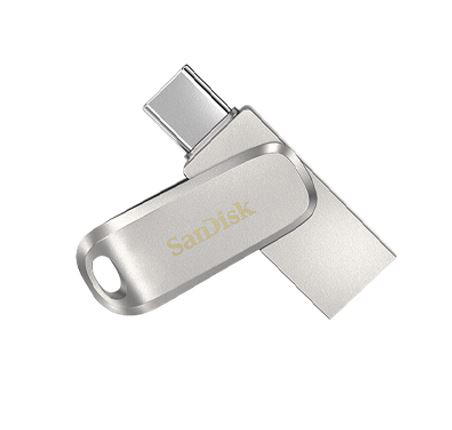
Today, I rely on the SanDisk Dual Drive Luxe Type-C, and I don’t take chances anymore.
It’s the size of my thumb but carries the weight of peace of mind. With up to 1TB of storage, I never worry about space again. The dual connectors of USB-C and USB-A let me move files seamlessly from my Android phone to my laptop, even while I’m still on the bus back from an assignment. Its read speeds of up to 150MB/s mean I can back up entire high-quality recordings or video files in seconds. Not minutes. And its sleek, all-metal design isn’t just beautiful, it’s durable and water-resistant. Lagos isn’t gentle, and neither is field reporting.
Now, before every assignment, I plug in the drive, clear my phone memory, and let the device do its thing. I record with confidence, knowing I’m not just capturing a session but preserving my work, my reputation, and my sanity.
In this line of work, you learn the hard way.
Some lessons cost a story.
Others cost your credibility.
Thanks to SanDisk Dual Drive Luxe, that day in Lagos was the last time I let storage failure be my headline.
D. F. O., an energy journalist, wrote in from Lagos
Disclaimer
Comments expressed here do not reflect the opinions of Vanguard newspapers or any employee thereof.