By Favour Ulebor
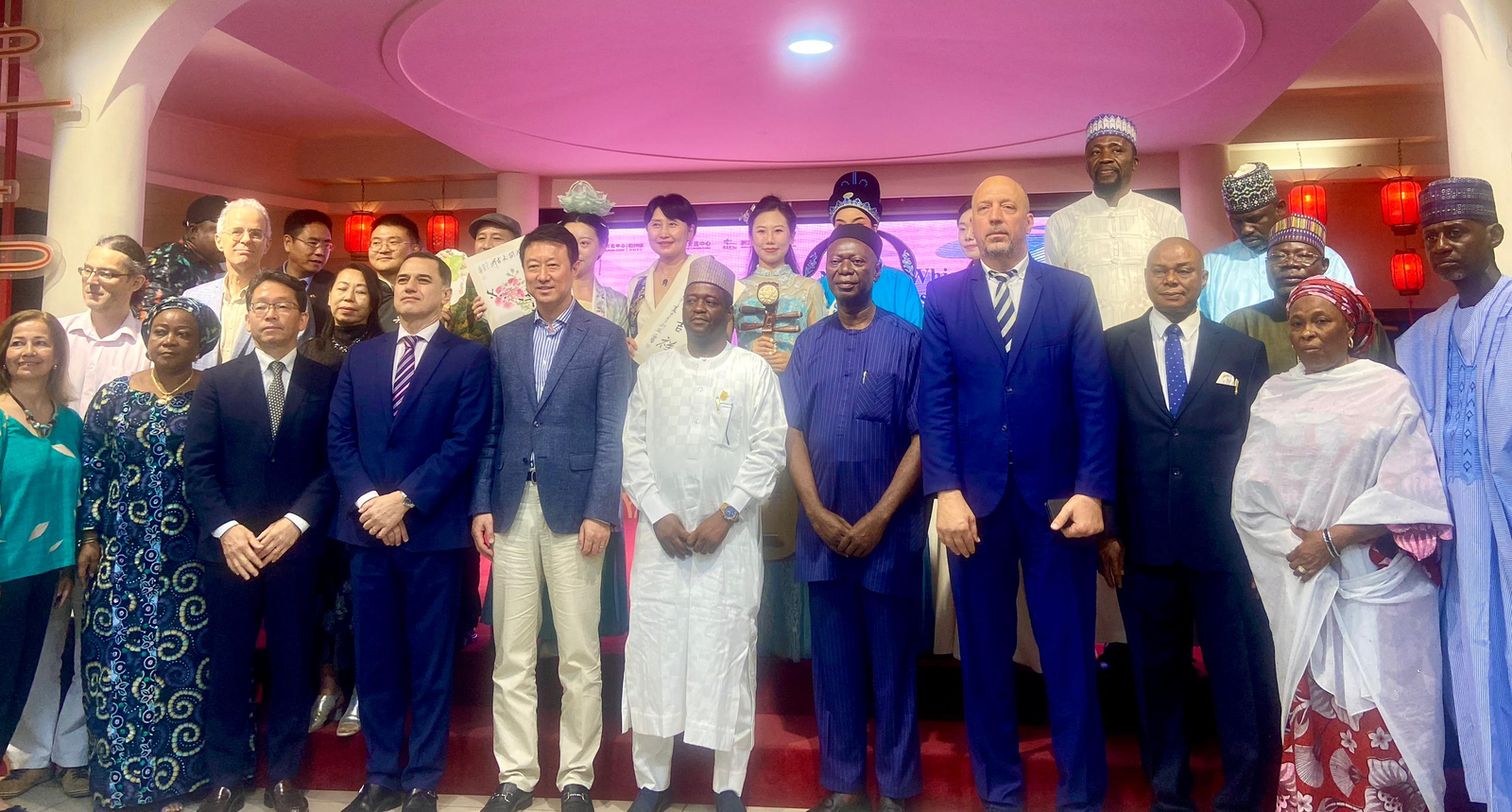
ABUJA —The Chinese Cultural Centre in Abuja recently played host to a vibrant celebration of cultural diplomacy and agricultural cooperation, marking the United Nations International Tea Day.
This event was themed “Tea for Harmony Yaji Cultural Salon” hosted by the Chinese Cultural Center, on Saturday in Abuja.
Speaking at the event, Chinese Ambassador to Nigeria, Mr. Yu Dunhai, underscored the shared cultural values between both nations. He described tea as a symbol of peace, connection, and mutual respect.
He said, “China and Nigeria have many common cultural values, and tea represents harmony, connection, and respect.
“This platform allows us to interact more deeply with the Nigerian people, exchanging not just beverages, but values and ideas.”
The Ambassador also reiterated China’s readiness to partner with Nigeria in value-added agricultural production, especially through tea-related trade, agro-processing, and cultural tourism initiatives.
Ambassador Yu noted that Zhejiang Province, represented at the event by three Zhejiang provincial cultural centers among others, is China’s fourth-largest economy, with a GDP of over $1 trillion.
He said, “When we drink tea, it’s not only tea, but it is that we share a similar bond; China and Nigeria share very similar cultures and traditions. Chinese people love tea, and Nigerian people love tea.
“We look forward to build more close relations with Nigeria.”
The Permanent Secretary of the Federal Ministry of Arts, Culture and the Creative Economy, Dr. Mukhtar Mohammed Yawale, applauded the embassy’s gesture.
He recalled how tea used to be exported from Nigeria to parts of Europe and described it as an opportunity for agro-processing, tourism, and creative enterprise.
He said, “Tea is more than a beverage. It is a vessel of history, a symbol of harmony, and a medium of cultural exchange.
“Tea is actually indigenous to Nigeria. It is grown on the Mambilla Hills. Highland tea is still available and made in this country.”
The Chairman of the House Committee on Culture and Creative Economy, Gabriel Saleh, called the event a wake-up call for policymakers.
He described the China-Nigeria relationship as strong and mutually beneficial.
He said, “Coming here today has actually opened my eyes to see how important culture is. And this is what we as parliament are going to do, build policies that will promote our culture more to the rest of the world.”
Speaking about the relationship between the two countries, Gabriel said, “China people are not just friends, they are brothers to our country, Nigeria. If you check the developmental programs of Nigeria, Chinese have contributed so much in building our railways, building our roads, and improving our economy. Today, in every home, there is a Chinese product.
“Unlike some other countries that deny our people who have genuine intentions of traveling, China has been a great supporter of Nigeria. Even if it is your first time, as long as you have a genuine reason to visit China, you are welcomed.” He noted.
Also speaking, the Leader of the Zhejiang Delegation and Deputy Director of Performing Arts at the Zhejiang Provincial Cultural Center, Mrs. Huang Yun, said the event used tea and performance as a bridge to connect China and Nigeria across cultures and continents.
She highlighted Zhejiang as both a historic cradle of Chinese civilization and a hub of modern innovation, blending traditions like Yue Opera and tea culture with technological advancements from companies like Alibaba and DeepSeek.
She described the presentation as a poetic display of Jiangnan’s natural beauty and artistry, inviting Nigerians to visit “Poetic Zhejiang” and experience its charm firsthand.
Huang expressed hope that such exchanges would deepen mutual understanding and inspire cultural prosperity between both nations.
Disclaimer
Comments expressed here do not reflect the opinions of Vanguard newspapers or any employee thereof.