Trump
… Urge FG to diversify export markets, strengthen trade agreements
By Nkiruka Nnorom
Investment and Economy experts are weighing the possible impact of the 14 per cent tariff slapped on Nigerian exports to the United States by President Donald Trump’s administration, saying that it will open new windows of trade relations for the country.
They stated that many countries that have fallen victim of the current trade war emanating from the sweeping tariffs would seek new bilateral trade relationships, creating new opportunities for Nigeria investors.
They averred that Nigeria exporters, who would be faced with declining profit margins as a result of reduced demand and competitiveness of their products in the US, would be forced to seek new partnerships, thereby developing alternative markets for their products.
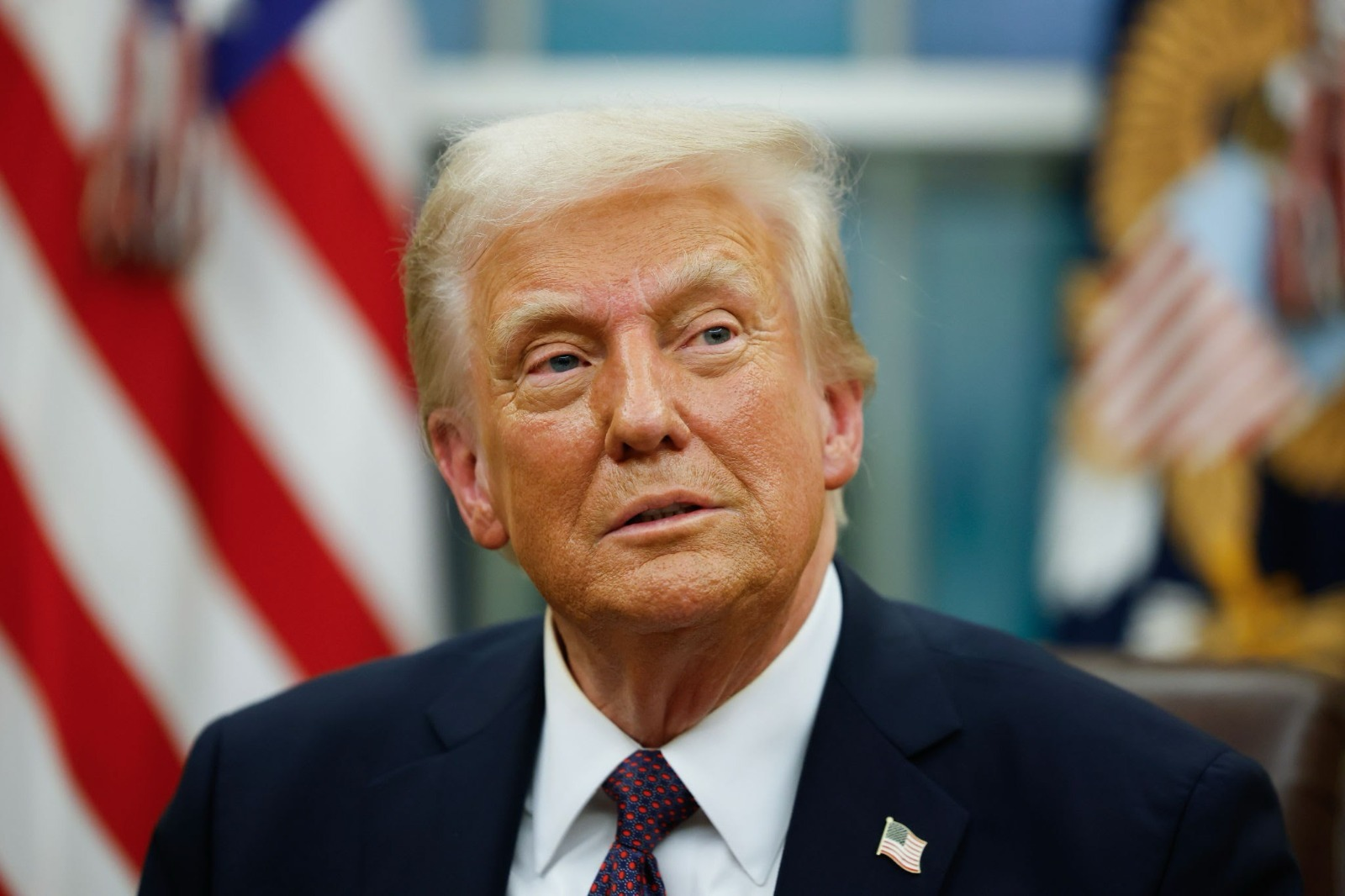
Trump had, Wednesday, imposed a 14 per cent ‘reciprocal’ tariff on exports from Nigeria to the US, claiming that the United States pays 27 per cent tariffs on its exports to Nigeria.
Besides Nigeria, he also placed elevated tariff rates on dozens of nations that run trade surpluses with the United States, while imposing a 10 percent baseline tax on imports from all countries in response to what he called an economic emergency, an announcement that is viewed as threatening to the global economy and possessing the possibility of triggering broader trade wars.
Trump, who said the tariffs were designed to boost domestic manufacturing in the US, lamented that a global trade system the United States helped to build after World War II, “has been looted, pillaged, raped and plundered” by other nations.
Making the announcement during a Rose Garden event tagged “Liberation Day,” Trump kicked off what he termed a new era of “fair trade,” promising to “supercharge America’s industrial base.”
“This is one of the most important days in American history,” Trump said, adding that the US “will supercharge our domestic industrial base, we will pry open foreign markets and break down foreign trade barriers.”
But reacting to the country-specific tariffs, economy experts, who spoke to Saturday Vanguard, agreed that the move could make Nigerian goods less competitive in the US market, leading to reduced export revenue for the country.
They underscored the need for the government to diversify its export markets, strengthen trade agreements, and improve local production efficiency to maintain competitiveness in the global economy and mitigate the possible negative effects on Nigeria.
Tariff hike’ll result in shift in trade partnership —FSL Securities
Reacting, Victor Chiazor, Head of Research at FSL Securities, said: “These new trade tariffs are expected to impact global trade and may likely cause a shift in trade partnership as countries would begin to search for quality and cheaper alternatives for their goods.
“For Nigeria, the imposition of a 14 percent reciprocal tariff would likely impact our export revenues given that Nigeria exported N3.51 trillion worth of goods to the US, which accounts for 17.58 percent of total exported goods in Q4’2024.”
Emphasizing the need to maintain foreign currency inflow, he said exporters would be forced to raise prices or increase the volume of goods exported to the US to keep export revenues high. “Where Nigerian exporters are unable to raise prices or increase the level of goods being exported, the only option would be to seek other trade partners with more accommodative tariffs and a ready market for such goods.”
He emphasised the importance of sourcing the majority of imports from the US locally in order to maintain a trade surplus.
“To maintain a trade surplus, a majority of imports from the US will need to be sourced locally, highlighting the case for transforming Nigeria from a consumption economy to a producing economy where most of its raw materials for production are sourced locally,” he concluded.
Shocks from current trade war may be minimal —Muda Yusuf
However, Mr. Muda Yusuf, CEO, Centre for the Protection of Private Enterprise, CPPE, argued that the vulnerability of the Nigerian economy to shocks of the current trade war unleashed by President Trump may be very limited given that Nigeria’s external trade exposure to the United States is averagely at about 10 percent.
He expressed optimism that the development has inherent opportunities for new trade partnerships globally.
Yusuf, however, stressed that the Nigerian economy may be indirectly affected in some other ways, saying that the trade war could result in elevated costs for imports into Nigeria from the United States, leading to likelihood of an imported inflation.
Yusuf also noted that the Trump administration may have brought closure to the AGOA trade window with the 10 per cent baseline tax.
“The trade war and the subsequent retaliatory tariffs would trigger inflationary pressures in the United States. This may result in elevated costs for imports into Nigeria from the United States,” he said, adding: “We are likely to witness some level of disruptions in global supply chains resulting from the tariff war. This could dampen the global growth outlook and affect crude oil price.
“A decline in oil price would impact Nigeria’s foreign reserves and revenue.”
Continuing, he said: “Worsening inflation outlook for the US economy may trigger monetary tightening by the US Federal Reserve. This may lead to higher interest rates and trigger portfolio flow reversals in emerging economies. This could have implications for the naira exchange rate.”
It will lead to increased costs for manufacturers —Toyin Sanni
But highlighting some of the negative impacts, Mrs Toyin Sanni, Group CEO, Emerging Africa Capital Limited, said that the tariff hike would lead to a decline in Nigeria’s oil-dominated exports to the US, which have already been declining in recent years.
Vanguard had reported that Nigeria’s total N4.59 trillion exports to the United States as of the third quarter 2024 (Q3’24), may be threatened as a result of the tariff hike.
Sanni also posited that the African Growth and Opportunity Act (AGOA), which has provided Nigerian exporters with preferential access to the US market, may also be impacted.
“Non-oil exports may become less competitive, making it harder for Nigerian businesses to penetrate the US market. The tariffs could also have a ripple effect on Nigeria’s economy, potentially leading to higher prices for consumers and reduced economic growth.
“In terms of specific industries, the tariffs could affect Nigeria’s manufacturing sector, which relies heavily on imports from the US. Higher tariffs could lead to increased costs for manufacturers, potentially reducing their competitiveness.” she said.
It will result in reduced forex inflow, export revenue —Funmi Adebowale
Speaking in the same vein, Funmi Adebowale, Head of Research at Parthian Partners, said: “The imposition of the 14 percent tariff will increase the cost of Nigerian goods entering the US, which could result in a decline in demand, particularly in price-sensitive sectors. This will likely lead to reduced export revenues.
“The tariff could also exacerbate Nigeria’s economic challenges by reducing foreign exchange inflows and putting pressure on the exchange rate. A decline in US-bound exports could worsen the country’s trade balance and contribute to inflationary pressures.”
It would increase Nigeria’s trade deficit —Ayodeji Ebo
Ayodeji Ebo, MD/CEO, Optimus by Afrinvest, said: “A 14 percent tariff on Nigeria’s exports to the U.S. would reduce export revenue, making Nigerian goods less competitive and increasing the trade deficit. Key sectors, such as crude oil, agriculture, and manufacturing, would suffer as U.S. buyers seek cheaper alternatives.
“Exporters, already operating on thin margins, may face reduced profitability, job losses, and production cuts. Additionally, the tariff could deter foreign investment in Nigeria’s export-driven industries.”
Disclaimer
Comments expressed here do not reflect the opinions of Vanguard newspapers or any employee thereof.