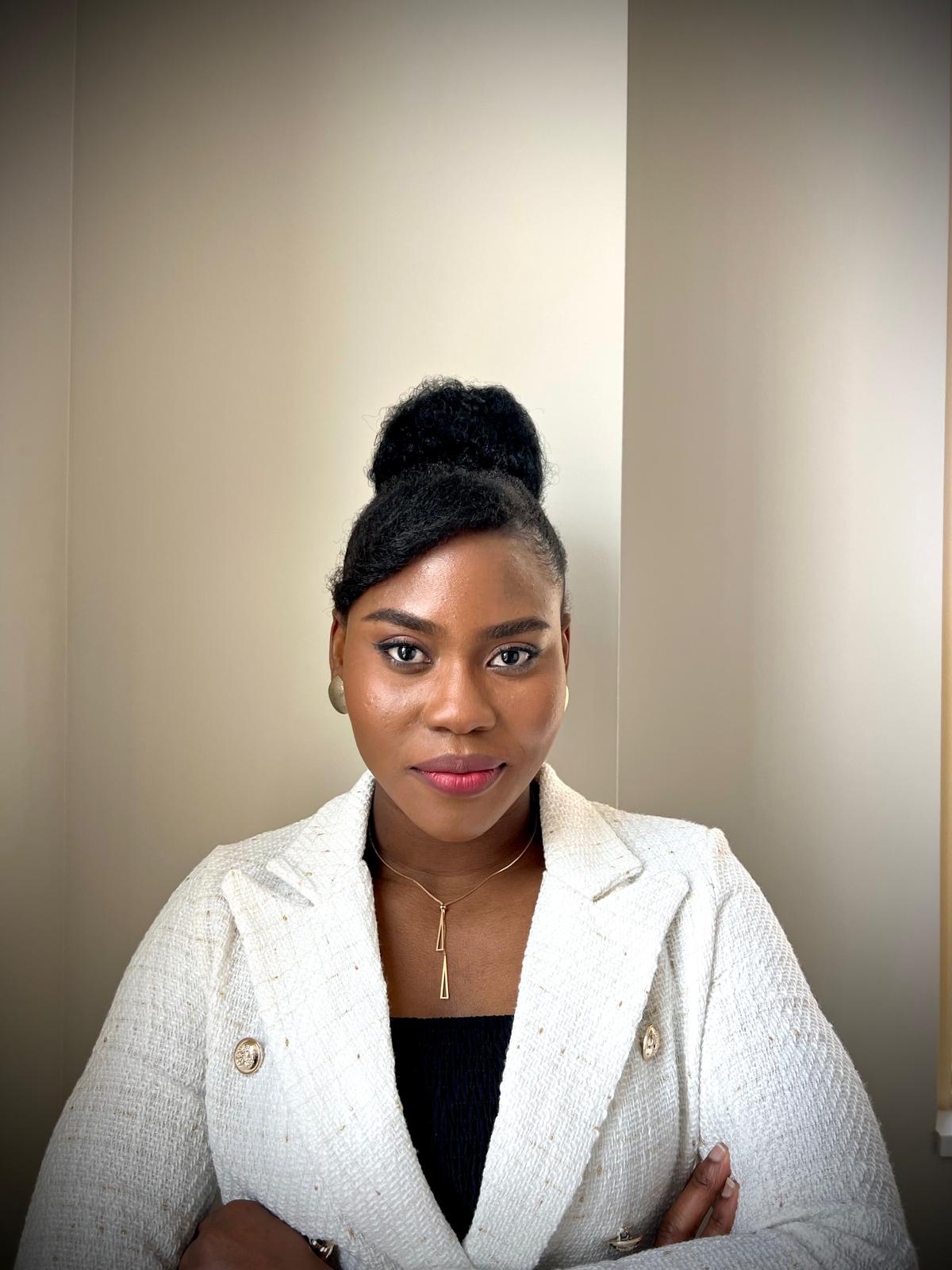
By Chidinma Lois Nwoko
In Nigeria today, ‘GMO’ has become one of the most misunderstood words in our conversations about food. For many, it conjures images of ‘foreign’ crops or unhealthy farming practices. But the truth is simpler: genetic modification is just one of many scientific tools for solving th pressing problem of how to feed people in a changing climate.
As a Nigerian scientist currently pursuing my PhD at Texas Tech University in the United States, I study resurrection plants which are unique species that can survive complete drying and then revive when water returns. Inside their cells are natural survival strategies that may one day help us develop crops more resilient to drought and climate stress.
Here’s the key point: making crops stronger does not mean creating ‘Frankenstein food.’ There are many approaches. Some rely on traditional breeding. Others use gene editing, which simply tweaks a plant’s existing DNA without adding anything foreign. Still others involve natural compounds, soil health strategies, or biostimulants. Even what we call ‘GMOs’ often just means helping a plant resist pests, use less water, or yield more.
So, the real question for Nigeria is not “Are GMOs evil?” but rather: How can science be used responsibly to benefit all farmers, especially smallholders?
With climate change driving desertification southward, Nigeria faces the risk of food shortages that will hit the poorest communities hardest. We cannot afford to shut the door on innovation out of fear.
Instead, we must demand inclusive agribusiness models and systems where farmers are properly educated about the seeds they plant, where Nigerian scientists play a central role in development, and where crops are designed for our soils, climates, and diets not just imported from elsewhere.
For me, the vision goes beyond GMOs. It is about ensuring that advanced science, whether drawn from resurrection plants, gene editing, or smart agronomy serves the ordinary Nigerian farmer in Kano, Enugu, or Lagos. Science must not be for the privileged few; it must be for the many.
If Nigeria embraces innovation with wisdom, transparency, and inclusiveness, we can secure our food, empower our farmers, create jobs, and even become a continental leader in climate-smart agriculture.
The future of our food security should not be built on fear but it should be built on knowledge, trust, and resilience.
Nwoko Chidinma Lois is a graduate student of Texas Tech University
Disclaimer
Comments expressed here do not reflect the opinions of Vanguard newspapers or any employee thereof.