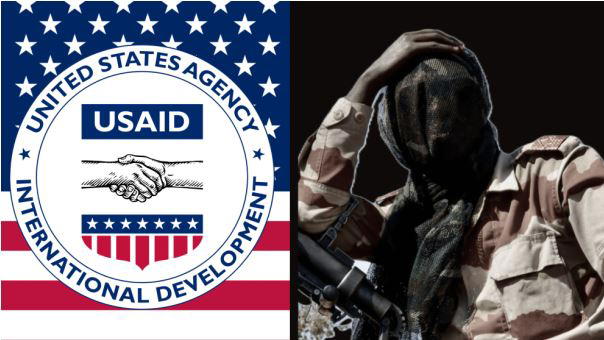
Representative Scott Perry, a Republican from Pennsylvania, has revealed that billions of dollars in U.S. aid have been used to fund terrorist groups, including the Taliban, Boko Haram, Al-Qaeda, and ISIS.
Perry made this known on February 13, 2025, during a House hearing on USAID organized by the House Foreign Affairs Committee. While condemning USAID, he exposed how billions in taxpayers’ money continue to reach these terrorist organizations, accusing the agency of straying from its mission and financing groups that threaten global security.
Notably, Boko Haram designated as a Foreign Terrorist Organisation by the U.S. in 2013 has inflicted massive destruction in Nigeria, killing approximately 35,000 civilians since 2009, displacing over two million people, and abducting 276 schoolgirls from Chibok in 2014, which sparked the global #BringBackOurGirls movement.
Nigeria stands at a pivotal moment, at crossroads where high aspirations meet long standing economic challenges. For decades, the nation’s heavy reliance on oil exports has driven government spending and infrastructure projects, but it has also left the economy dangerously exposed. The brutal reminder came in 2014 when plummeting oil prices revealed a system overly dependent on a single commodity, leading to budget shortfalls, rampant inflation, and a deepening sense of economic insecurity.
Compounded by years of mismanagement, corruption, and policies that have often missed the mark, many Nigerians are growing increasingly frustrated by a system that seems to serve only the interests of a few. As domestic challenges persist, a broader regional transformation is underway that could redefine West Africa’s future. Neighbors like Mali, Niger, Burkina Faso, and Senegal are boldly reclaiming their economic and political independence breaking away from lingering colonial influences, such as the use of the CFA franc and persistent French military presence. The recent emergence of the Alliance of Sahel States (AES) underscores this change: by coordinating joint military operations and tackling terrorism head on, these countries are not only enhancing security but also laying the groundwork for a renewed economic future free from external control.
At home in Nigeria, the call for a fresh start is growing louder. Public sentiment is shifting, with increasing voices online demanding that Nigeria break free from the remnants of colonial influence and embrace diversified economic partnerships. Critics argue that the current administration, led by President Bola Ahmed Tinubu, has been too preoccupied with balancing traditional ties with Paris against emerging African alliances. Instead, many believe the time has come for Nigeria to fully commit to a path that prioritizes regional solidarity and economic diversification.
The solution lies in bold leadership and regional cooperation. By investing in industries beyond oil and fostering an environment where innovative economic ideas can flourish, Nigeria could finally build a more resilient economy. Aligning itself with regional alliances like the AES and forming global partnerships that offer a genuine alternative to the old order might provide the fresh impetus needed to overcome long standing challenges.
This moment is not only about reclaiming economic stability but also about restoring national pride. It’s about shedding outdated colonial dependencies and embracing a future where Nigeria and West Africa can write their own destiny. The road ahead won’t be easy, but with unity, strategic reform, and a renewed focus on real opportunities for its people, Nigeria can move past stagnation and step confidently into an era of true independence and prosperity.
Kagbara is a freelanc journalist and activist.
Disclaimer
Comments expressed here do not reflect the opinions of Vanguard newspapers or any employee thereof.