…Research Highlights the Power of Early Education and Its Lifelong Benefits
A groundbreaking discovery by Professor Oshiotse Andrew Okwilagwe of the University of Ibadan (UI) has revealed that unborn children can be taught how to read. This revelation, based on extensive research, challenges traditional views on early childhood education and underscores the importance of prenatal learning.
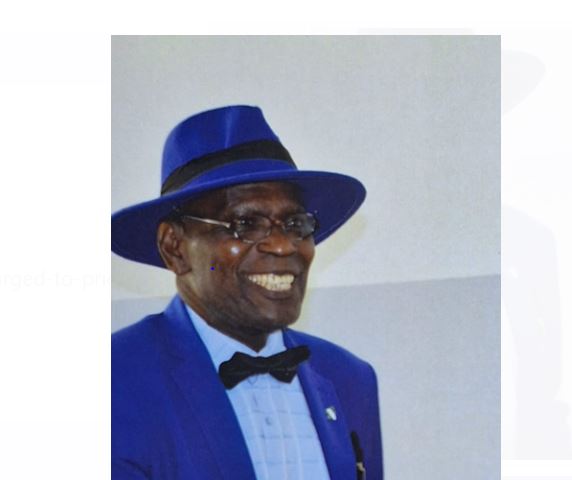
Professor Okwilagwe, a renowned scholar and founder of the Bookworms Empowerment Foundation (BEF), as well as a member of the National Reading Culture Redemption Initiative (NRCRI), explained that his findings were inspired by years of observing students’ diverse learning approaches.
According to him, students who performed exceptionally well despite appearing less committed to studying often exhibited learning strategies instilled from an early age. This realization led him to explore the possibility that learning could begin even before birth.
“Recent research has confirmed my hypothesis, revealing that the journey to academic excellence begins in the womb. In many traditional African cultures, it is believed that the child is in dialogue with their environment, even before birth,” he stated.
Scientific studies have shown that fetuses as young as 20 weeks can recognize and respond to external stimuli, including their mother’s voice. Professor Okwilagwe believes that this natural ability can be harnessed through prenatal reading, fostering a lifelong love for learning and strengthening the bond between mother and child.
The professor noted that many African cultures have long recognized the unborn child’s connection to its environment. In some traditions, it is believed that a child destined for greatness reacts with joy to music, such as the sound of drums, even while in the womb.
This cultural belief aligns with scientific evidence that reading aloud to unborn children can shape their cognitive and emotional development, laying a strong foundation for academic success.
To further support his findings, Professor Okwilagwe referenced four seminal books that explore early learning strategies:
Echoes of Life: Dynamics and Mysteries of Mother and Foetus Interactions
Prenatal Reading
Postnatal Reading
Preschool Reading
These books provide practical guidance for parents and caregivers looking to optimize their child’s learning journey from conception.
“By starting the educational journey in the womb, parents and caregivers can give their child a lifelong gift – the gift of knowledge, curiosity, and a love for learning,” he emphasized.
Beyond intellectual growth, Professor Okwilagwe highlighted the emotional and social benefits of early education. He noted that reading to an unborn child can:
Enhance emotional intelligence – helping children develop empathy, self-awareness, and social skills.
Boost mental well-being – reducing stress and anxiety while promoting self-confidence.
Bridge socio-economic gaps – providing all children, regardless of background, with equal learning opportunities.
As an advocate for literacy and education, Professor Okwilagwe encourages parents to embrace prenatal learning as a powerful tool for shaping their child’s future.
“Every child deserves the best possible start in life. By nurturing their minds from the womb, we can give them the foundation to thrive, succeed, and contribute meaningfully to society,” he concluded.
With these findings, the conversation around early childhood education may shift to include prenatal learning as a critical phase in human development, redefining the way knowledge is introduced to future generations.
Disclaimer
Comments expressed here do not reflect the opinions of Vanguard newspapers or any employee thereof.