
By Lawrence Agbo
Mountains from around the world have always been more than just towering landforms; they symbolize mystery, power, and the resilience of nature.
These giants have inspired explorers, poets, and dreamers, representing both the ultimate challenge and the pursuit of the sublime.
Among the countless mountains around the world, the tallest ones hold a special allure.
Read also:
Top 10 most expensive phones in the world without diamonds and gold
Many cultures consider them sacred, viewing their peaks as closer to the heavens.
Here are the top five highest mountains on Earth:
1. Mount Everest (8,848.86 meters)
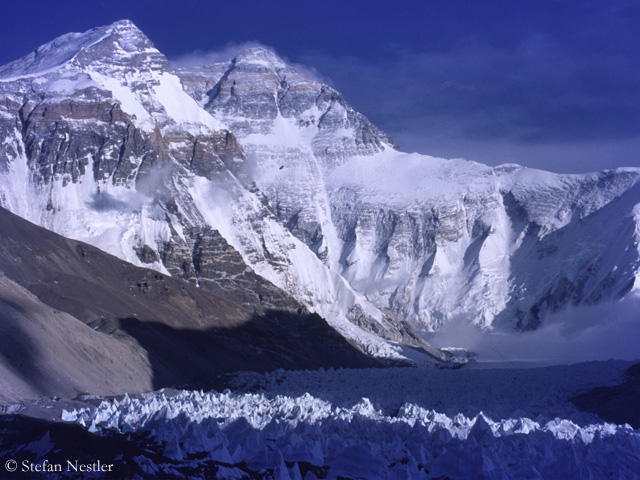
Mount Everest, also known as Sagarmatha in Nepal and Chomolungma in Tibet, stands as the highest mountain in the world at 8,848.86 meters (29,031.7 feet) above sea level. It is the crown jewel of the Himalayas, straddling the border between Nepal and China. Formed millions of years ago by the collision of the Indian and Eurasian tectonic plates, Everest remains one of the most iconic peaks on the planet.
Climbing Everest is a dream for many mountaineers, but it comes with extreme challenges, including harsh weather, low oxygen levels, and avalanches. Despite these dangers, nearly 6,000 climbers have successfully reached its summit since Sir Edmund Hillary and Tenzing Norgay’s legendary ascent in 1953.
2. K2 (8,611 meters)
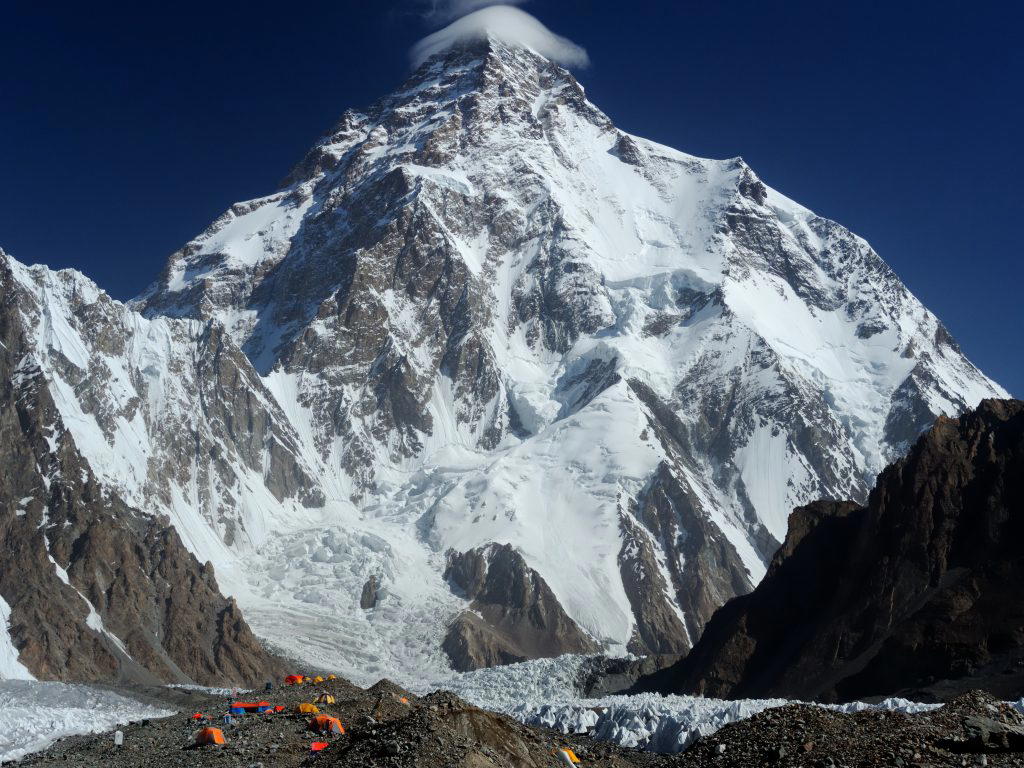
K2, often called the “Savage Mountain,” is the second-highest peak in the world, standing at 8,611 meters (28,251 feet). Located on the Pakistan-China border within the formidable Karakoram range, K2 is infamous for its treacherous terrain and severe weather conditions.
Unlike Everest, K2 has no commercial climbing routes, making it significantly more dangerous. With a low success rate and high fatality risk, this peak is a formidable challenge reserved for the most skilled and determined climbers. Its remote location and technical difficulty have cemented its reputation as one of the toughest mountains to conquer.
3. Kangchenjunga (8,586 meters)
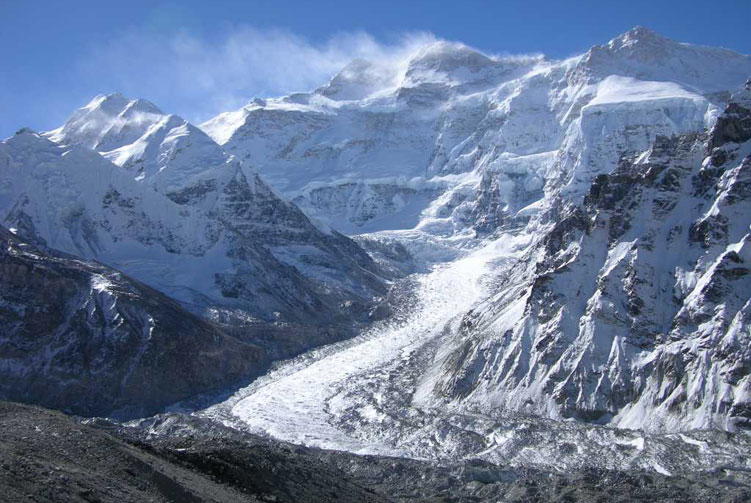
At 8,586 meters (28,169 feet), Kangchenjunga is the third-highest mountain in the world. Its name, meaning “Five Treasures of Snow,” refers to the five prominent peaks that span the border between Nepal and India. This majestic mountain holds deep spiritual significance for the Sikkimese people, who revere it as sacred.
Compared to Everest and K2, Kangchenjunga attracts fewer climbers, offering a more solitary experience. However, its remote location and unpredictable weather make it an extremely challenging ascent, demanding both physical and mental endurance.
4. Lhotse (8,516 meters)
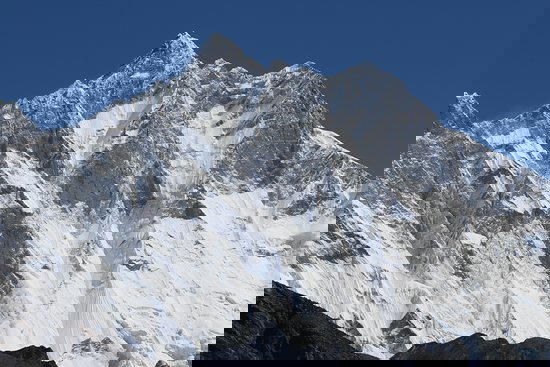
Lhotse, standing at 8,516 meters (27,940 feet), is the fourth-tallest mountain in the world. It shares a ridge with Everest, earning its name, which means “South Peak” in Tibetan. Though often overshadowed by its more famous neighbor, Lhotse presents its own set of challenges, including steep, icy faces.
One of the most daunting sections of Lhotse is the Lhotse Face, a towering glacial wall that climbers must navigate on their way to Everest. While Lhotse is frequently climbed as part of an Everest expedition, it remains a formidable peak in its own right.
5. Makalu (8,485 meters)
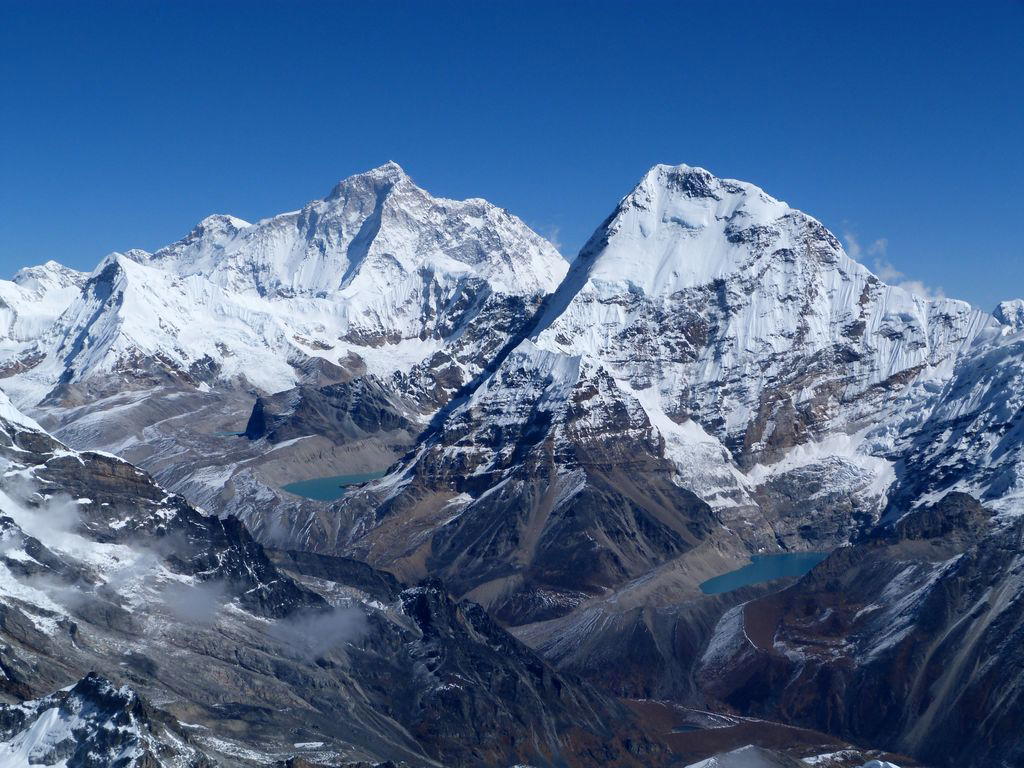
Makalu, the world’s fifth-highest mountain, rises to 8,485 meters (27,838 feet). Located about 20 kilometers southeast of Everest, it is easily recognizable by its striking pyramid-shaped peak.
Despite its breathtaking beauty, Makalu is one of the most technically challenging mountains to climb, featuring sharp ridges and steep slopes. Its remote setting, surrounded by the pristine Makalu-Barun National Park, makes it a dream destination for mountaineers seeking solitude and unspoiled natural landscapes.
Disclaimer
Comments expressed here do not reflect the opinions of Vanguard newspapers or any employee thereof.