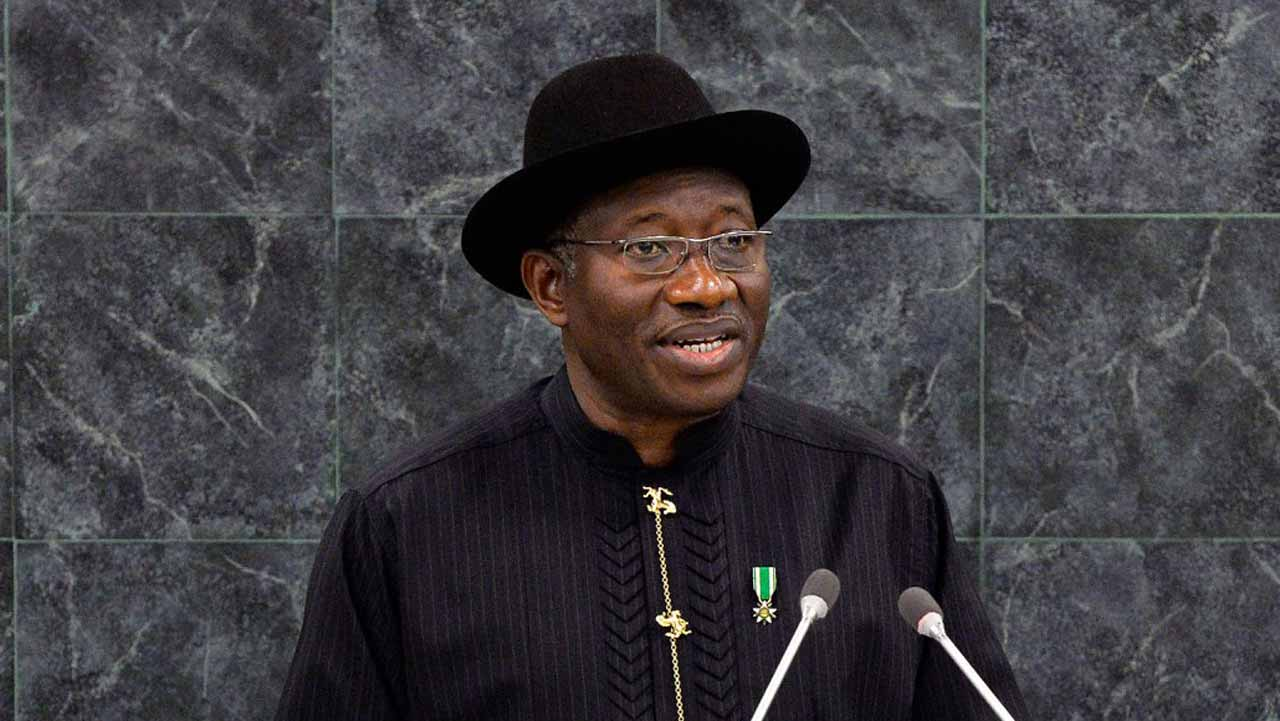
Jonathan
…as Prof Jega calls on citizens, CSOs to back democracy
By Gabriel Ewepu
ABUJA – FORMER President Goodluck Jonathan, Tuesday, expressed concern over electoral violence, BVAS technical glitches and challenges in Nigeria’s electoral process.
Jonathan raised these concerns in a keynote address delivered at the ‘Reflection Conference on Democratic Elections in West Africa’ organised by Yiaga Africa in Abuja.
However, he acknowledged that West Africa has made significant strides in its democratic journey over the past few decades, except for Mali, Guinea, Burkina Faso and Niger, that have embraced military rule.
He said: “The fact that the military regimes are now treated as an aberration within the Economic Community of West African States (ECOWAS) speaks eloquently to this progression and highlights the resilience and determination of our people to embrace democracy as a way of life.
“This is, indeed, a clear departure from the not-so-distant past when many nations in the sub-region experienced long spells of political instability or military dictatorship with some of the leaders even playing active role in the formation of ECOWAS in 1975.
“However, the journey to a democratic West Africa has not been easy. The transition period in focus, 2023/2024, symbolises the chequered history of democratisation, showcasing a mixed bag for electioneering and democracy in our region. While some countries conducted peaceful and credible elections, others were marred by violence, allegations of fraud, and institutional weaknesses.
“These challenges remind us that democracy is not a destination but a process that requires constant vigilance, innovation, and collaboration. I believe that is what this gathering here today is all about.
“To put it in perspective, several West African countries, including Nigeria, Senegal, Togo, Sierra Leone, Liberia and Ghana held elections, during the 2023–2024 election cycle, each with its own unique processes, outcomes, and challenges. To illustrate my points, I will discuss the experience in some of these countries.
“In February 2023, Nigeria held general elections and subsequently carried out a peaceful transition from one civilian administration to another.
“However, despite the introduction of the Bimodal Voter Accreditation System (BVAS) and the Results Viewing Portal (IReV) to enhance transparency by the Independent National Electoral Commission (INEC), the process still experienced logistical issues, delayed voting in some areas, violence and technical glitches with the BVAS system.”
For the election held in Sierra Leone, the former Nigerian President said, “Sierra Leone also introduced new technology with the use of biometric voter registration ahead of its presidential, parliamentary, and local council elections in June 2023.
“However, there were allegations of irregularities including voter intimidation, ethnic tensions and controversial results which culminated in the opposition’s boycott of governance institutions.
Meanwhile, he commended the Ghanaian electoral process describing the outcome as free, fair, and transparent amid what he called limited technology.
According to him, Liberia and Senegal also conducted general elections with limited deployment of technology.
“In these countries, the processes were generally peaceful, transparent and credible with a high voter turnout. In the case of Liberia, incumbent President George Weah conceded defeat to the opposition candidate Joseph Boakai after a closely contested runoff, setting a positive example for democratic transitions in the region.
“The pre-election period in Senegal was notably marred by protests, arrests of opposition figures, and concerns about the independence of the judiciary. However, it was pleasing to observe that once the election process kicked in, the polling processes progressed without hitches, resulting in a free and fair outcome.
“At the end of the exercise, the opposition candidate Mr. Bassirou Diomaye Faye won the election and was subsequently sworn in as President, marking a significant shift in the country’s political landscape.”
Also, in another keynote address, the former Chairman, Independent National Electoral Commission, INEC, Prof Atahiru Jega, expressed optimism that despite challenges in the electoral process and democracy in the subregion, “West Africa may well in general become a trailblazer in democratic development in Africa. For the most part, leaders in the region continue to be chosen through electoral processes that are procedurally, even if not wholly substantively, democratic.
In spite of the worrisome evidence of backsliding of democratic progress in the West African region, yet there remains a substantial appetite among citizens for representative and accountable democratic government.
“Therefore, electing good representatives in governance and holding them to account would make government more responsible and responsive to the needs and aspirations of citizens for societal progress and socioeconomic development.
“But to enhance this prospect, concerted efforts need to be sustained in the protection and defence of democratic rights and freedoms, the rule of law, as well as in resilient and sustained struggles to push back against tendencies towards democratic backsliding.”
Therefore, the former INEC boss advised that “In this regard, policymakers, CSOs and citizens have a key role to play in advocating for democratic legal reforms to strengthen electoral frameworks.
“Electoral assistance organizations should continue to support these efforts, including through the dissemination of knowledge and policy advice on what works in safeguarding institutional independence and building EMBs’ competence and capacities.
“As countries in the West African region approach a series of elections in 2025 and beyond, including those in Côte d’Ivoire, the region’s commitment to democratic principles will be tested.
“The ability of electoral bodies to operate assertively and the critical role of CSOs in the protection of civil liberties will be crucial in determining the success of these elections and the overall health of democracy in West African region.”
Disclaimer
Comments expressed here do not reflect the opinions of Vanguard newspapers or any employee thereof.