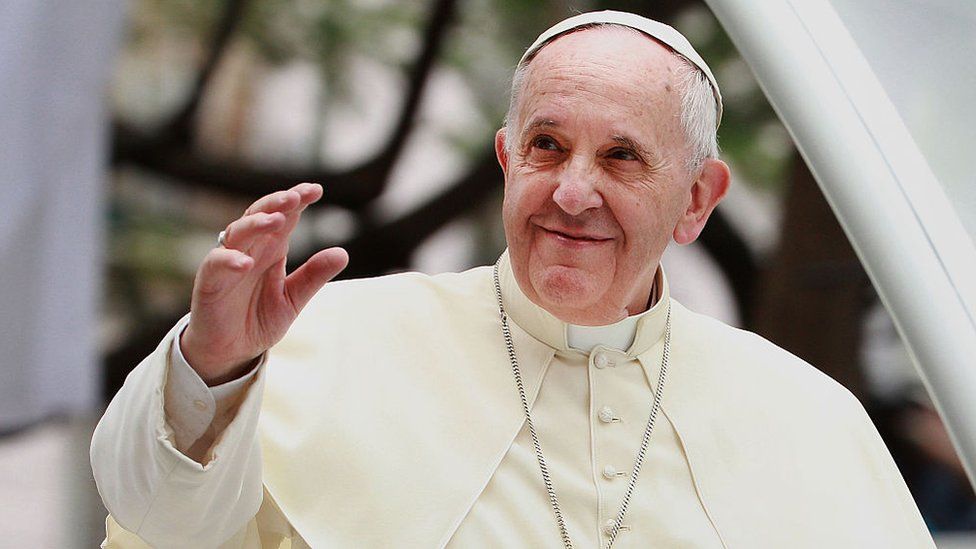
Pope Francis
After his traditional New Year Day Angelus prayer, Pope Francis, amidst other issues, made a powerful call to political leaders of wealthy nations to “set a good example” by cancelling or significantly reducing the debts of the poorest countries.
Addressing a crowded St Peter’s Square, Pope Francis emphasized his opinion that no country or people should be “crushed by debt”.
According to the Pope, God is the first to forgive debts, and creditors ought to translate this forgiveness into social terms, especially leaders of nations with Christian traditions.
With this exhortation, the Pope reminds the world about religious beliefs, traditions and obligations which had been all but sidelined and forgotten. Islam and other popular world religions also profess similar edicts which are rarely applied to international relations and economic diplomacy.
The appeal by the Pope for debt forgiveness for African and other countries experiencing economic challenges is most welcome.
But while the Pope clearly means well, he unwittingly touches on past debt relief advocacies, some of which Nigeria has been beneficiary of under the Olusegun Obasanjo administration.
In 2005, Obasanjo’s campaign for debt relief reached a positive climax when Great Britain, acting as chair of the G-8, brought to the fore Third World, and particularly African debt issues. The G-8 communiqué, in recognition of the progress made by Nigeria in the
implementation of economic and governance reforms, agreed to support a sustainable debt treatment for the country within the framework of the Paris Club, which then announced the decision, in principle, to grant a debt relief package amounting to about US$18 billion out of the US$30.84 billion outstanding as at December 31, 2004.
While the country benefited immensely from this relief gesture, Nigeria’s external debts have since seen a steady and significant rise over the past decade, currently standing at about 43 billion USD.
More so, even if the external debts are forgiven, what of the mounting internal or domestic debts, which currently stand at N71.2 trillion.
Borrowing is not the problem. The two richest countries in the world, the United States of America and China, are also the most indebted nations. On the other hand, some of the least indebted nations, such as Afghanistan, are also some of the poorest. Indeed borrowing remains necessary for national development and can, if properly channelled and well managed, engender national growth. But the contrary is the case with frivolous, profligate and irresponsible borrowing which must be discouraged.
Furthermore, it is critical to apply appropriate measures with respect to borrowing in order to prevent squandering, looting or corrupt politicians and their cronies using it to enrich themselves at the expense of their people.
“Poor” or developing nations such as Nigeria ought to take both their internal and external debt obligations far more seriously than they currently do. They should use loans for the specific development purpose they are meant and ensure they adhere to the agreed repayment plans they have with their creditors.
Disclaimer
Comments expressed here do not reflect the opinions of Vanguard newspapers or any employee thereof.