By Demola Akinyemi, Ilorin
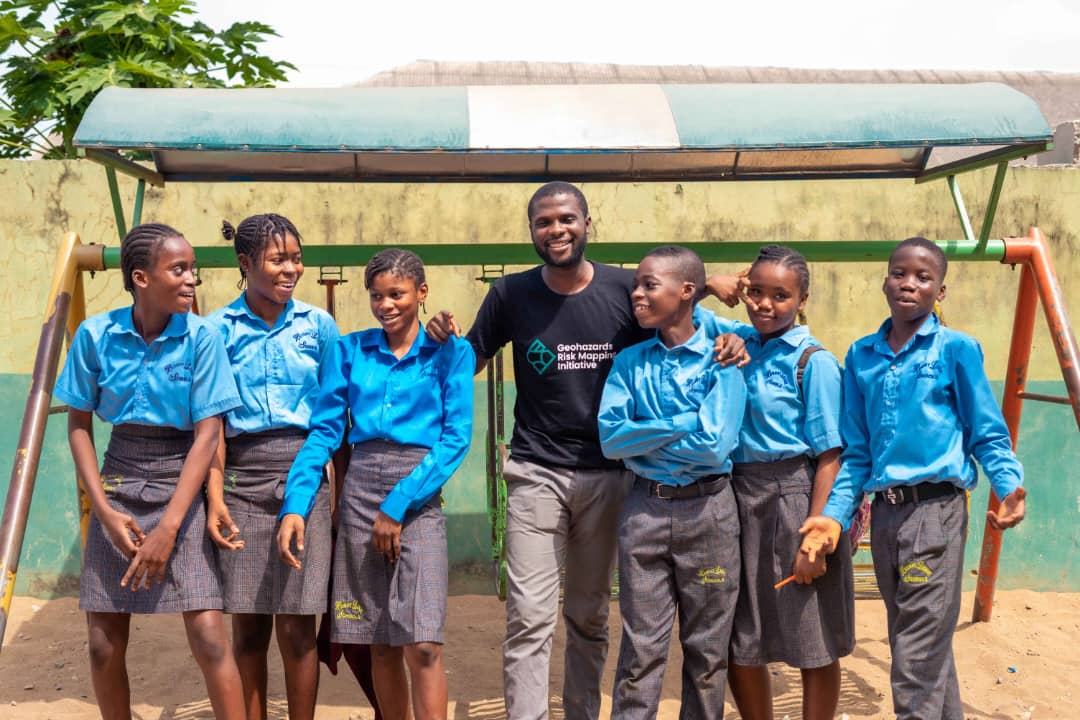
As Nigeria continues to grapple with the devastating effects of flooding exacerbated by climate change, a nonprofit organisation, the Geohazards Risk Mapping Initiative (GRMI) has cautioned against the impact of these disasters on the nation’s education system.
A recent pilot survey conducted by the organisation in Lagos and Kogi states highlighted the urgent need for proactive government interventions to safeguard schools, students, and communities from the consequences of frequent and severe flood incidents.
The report revealed that while most schools surveyed in the two states are strategically located in low-risk zones, the intensity of flooding often forced some schools to close temporarily, leading to disruption of academic activities.
Speaking on the findings of the study in an interview with journalists in Ilorin, Taiwo Ogunwumi who is the Founder and Senior Project Lead of GRMI, said “Beyond physical school closures, the emotional and mental toll of flooding on students is significant, with many expressing anxiety over falling behind their peers academically. These disruptions create disparities between students in flood-affected and unaffected schools, potentially exacerbating educational inequalities.”
He further disclosed that an estimated 2.5million children and youths in Nigeria reside in flood-prone areas, which exposed them to increased risks.
In order to mitigate against these challenges, the GRMI called for the strengthening of school infrastructure in flood-prone communities, stressing that investment in resilient infrastructure, such as elevated buildings and improved drainage systems, can reduce cases of closures and ensure schools remain operational during flood events.
Going by the mental health impact of flooding on students, as revealed in the GRMI survey, the organisation urged governments to provide psychosocial support to students in affected areas to help them cope with the emotional distress caused by flooding and other climate-related disruptions.
“Flood-related school closures highlight the need for alternative learning platforms. To ensure continuity of education during flood-induced school closures, we advocate for the development of remote learning platforms that will help students maintain academic progress.
“Ogunwumi stated.further that ,”empowering youths and children in Flood Risk Management is equally important. Training programmes should be designed to teach students and young people how to map and identify flood-prone areas. By involving children in disaster risk reduction efforts, they become active participants in building safer communities.
“The government should collaborate with organisations like ours to conduct workshops and school campaigns aimed at educating youth about the causes and effects of floods. These programmes can foster a culture of preparedness and resilience among students and communities.
“Flooding is not just an environmental issue; it’s a threat to the education and future of our children. We implore governments at all levels to take bold and decisive steps to implement these recommendations. We must act now to ensure schools remain safe and accessible, and that students do not lose their right to quality education,” he stressed .
Also speaking on the report, Head of Research at GRMI, Kayode Adeniyi said flooding poses a severe risk to the educational sector in Nigeria, as it disrupts academic activities, damages critical school infrastructure, and creates unsafe conditions for both students and staff.
Adeniyi, who revealed that students from marginalised communities, many of whom reside in flood-prone areas, were among the most affected, stressed that “this situation threatens the achievements of United Nations Sustainable Development Goals, especially Goal 4 which advocates inclusive and equitable quality education and promote lifelong learning opportunities for all.”
Quoting the National Bureau of Statistics (NBS) report, he disclosed that students in flood-affected areas missed an average of 53 school days in 2022 alone due to severe flooding.
The GRMI Research Lead, however, said despite these alarming figures, the true impact of floods on education often goes unnoticed, adding that there was currently no official system in place to comprehensively track the frequency, severity, or educational consequences of flood events in the country.
He explained that this informed the decision of his organisation to carry out a pilot survey to assess the impact of flooding on students and educational activities in Lagos and Kogi states, with plans to conduct the study in other states of the federation.
Adeniyi noted the GRMI report comes at a time when Nigeria faces mounting climate challenges, with UNICEF’s Children’s Climate Risk Index (CCRI) ranking the country as the second most at-risk country globally for climate change impacts among 163 nations.
Disclaimer
Comments expressed here do not reflect the opinions of Vanguard newspapers or any employee thereof.