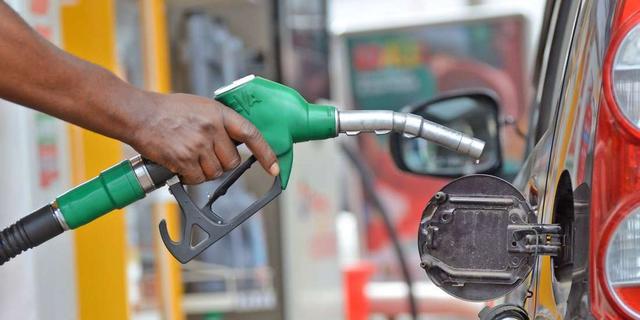
While Nigerians struggle to come to terms with the far reaching economic implications of fuel subsidy removal policy of the Tinubu administration, incessant hikes in PMS prices continue to throw the spanner in the works against stability in attendant costs of goods and services.
Citing a 15 per cent rise in global crude oil prices, which saw Brent Crude costs rising from $70 to $82, Dangote refinery recently increased its ex-depot petrol price from N899 to between N950 to N955 per litre.
It is the 5th consecutive increase since the commencement of the subsidy removal regime in May, 2023.
According to the IMF following a 2021 study, analysts found inflationary pressures to be more persistent in emerging and developing countries and more transitory in advanced economies, in the event of higher oil and food prices, and exchange rate depreciation.
In a recently released 2025 Outlook document by the Nigerian Economic Summit Group, NESG titled Stabilisation in Transition: Rethinking Reform Strategies in 2025 and Beyond, it is recommended that government should refocus on economic stabilisation in the year 2025, predicting that achieving this would become priority against the backdrop of growing public disappointment in short term economic performance following bold economic reforms of the Tinubu Administration.
One of the boldest of these reforms is undoubtedly the fuel subsidy removal. The report warns that “learning by doing” would not suffice, rather recommending drawing lessons from international best practices and adapting them to Nigeria’s unique socio-economic conditions.
Despite government’s optimism, Nigeria’s inflation rate ranked worst in Africa and fourth highest in the world at 34.8 per cent by December 2024, reflecting deteriorating household living conditions, according to the same report. This, despite a GDP growth of 3.2 per cent.
The management of Dangote refinery is playing its part in placing absorbers on the shocks. They have figured out a way to reduce price disparities between states, as well as to incentivise bulk buying for their direct customers, improving logistics and promoting competition on the retail level. However, these efforts are not enough.
Government must work harder at securing the trust of the Nigerian people, particularly as it pertains to watering the supply end of the chain with the full restoration of the Warri and Port Harcourt refineries as promised, followed by expected attendant drop in prices. Bold reforms and economic growth need not be at variance with each other but can actually be complimentary; while short term stabilisation efforts and long term growth can be well aligned and reinforce each other.
Additionally, savings from the subsidy regime must be accounted for and seen to be invested into social infrastructure and projects that will improve the general wellbeing of Nigerian citizens. Understanding how changes in fuel prices affect consumer price inflation, and the differentiated impact on households, is critical for policy making, given their widespread economic and social consequences
Government must take very seriously, its role in regulating critical and key sectors of the economy such as this one.
Disclaimer
Comments expressed here do not reflect the opinions of Vanguard newspapers or any employee thereof.