By Damilola Ogunsakin
Today, December 1st, 2024, marks the 37th World AIDS Day, a global event that brings together individuals, communities, and organizations to raise awareness about HIV/AIDS, commemorate those who have lost their lives to the disease, and advocate for the rights of people living with HIV.
The World Health Organization (WHO) has chosen the theme “Take the Rights Path: My Health, My Right!” to emphasize the need to address discrimination and ensure equal access to healthcare for all. This year’s theme is a call to action for leaders and citizens to champion the fundamental right to health.
The State of HIV/AIDS Globally
As of 2023, an estimated 39.9 million people are living with HIV worldwide. Approximately 630,000 people died from HIV-related causes, and 1.3 million people acquired HIV in 2023. Despite progress in the fight against HIV/AIDS, the disease remains one of the most significant global public health issues in recorded history.
The Situation in Nigeria
According to the 2019 Nigeria National HIV/AIDS Indicator and Impact Survey (NAIIS), there were approximately 1.9 million people living with HIV/AIDS in Nigeria in 2018. The survey revealed a national HIV prevalence of 1.4% among adults aged 15-49 years. HIV/AIDS is more prevalent among high-risk groups, including people in prisons and those who inject drugs.
Exclusive Interview with Bisi Alimi
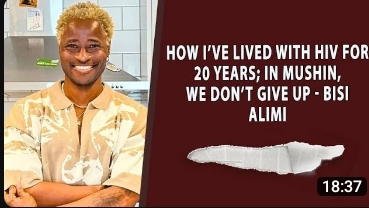
In commemoration of World AIDS Day, i had the opportunity to sit down with Bisi Alimi, a renowned HIV/AIDS advocate who has been living with HIV for 20 years. In our exclusive interview, Bisi shared his personal experience with HIV, his initial reaction to his diagnosis, and his thoughts on the progress made in HIV medication worldwide.
Bisi also discussed the challenges faced by people living with HIV in Nigeria, particularly in accessing affordable and quality healthcare. He emphasized the need for the Nigerian government to make HIV medication more accessible and affordable for low-income earners.
The Way Forward
As we commemorate World AIDS Day 2024, it is essential that we recommit ourselves to ending the HIV/AIDS epidemic by 2030. This can be achieved by overcoming barriers to HIV care and treatment, focusing on priority populations, and supporting them through lifelong treatment.
We must also address the unique needs of vulnerable populations, including those in prisons and high-risk groups. By working together, we can ensure that everyone has access to quality healthcare, regardless of their background or socioeconomic status.
As Bisi Alimi emphasized in our interview, “HIV is not a death sentence. With proper care and treatment, people living with HIV can lead healthy and fulfilling lives.” Let us take the rights path and ensure that everyone has access to the healthcare they deserve.
Disclaimer
Comments expressed here do not reflect the opinions of Vanguard newspapers or any employee thereof.