By Marie-Therese Nanlong
Jos – Stakeholders in the education and security sectors in Plateau State have raised concerns about the porous security in schools and urged a comprehensive mapping of vulnerable schools in the State to identify and prioritize areas requiring immediate attention and resources.
They also called for comprehensive data on all schools in the conflict-affected areas in the State to support the government in making an informed decision on security in schools in the State.
These were among the recommendations contained in a communique issued at the end of a-day stakeholders sensitization meeting on the Plateau State Safe School Programme organized by the Plateau State Safe School Coordinating Office in collaboration with the Norwegian Refugee Council through multi-sector response to vulnerable people in Plateau, funded by Norwegian Ministry of Foreign Affairs.
The communique signed by the various stakeholders, including the Coordinator of Safe Schools Coordinating Office, Alex Ladan, and others, pointed out that “There is the presence of schools vulnerable to attacks due to lack of perimeter fencing, lack of accessible roads, inadequate security personnel, and security gadgets.
“There is limited budget allocation, release, and implementation for safe school programmes. Many schools in the State have fallen short of minimum safety standards. There is physical, emotional, and psychological violence in our schools, and there is an inadequate intelligence report before an incident.”
The document recommended, “A comprehensive mapping of schools vulnerable to incidents should be conducted in the State to identify and prioritize areas requiring immediate attention and resources.
“Generation of comprehensive data of all schools in the conflict-affected areas to support the government in making an informed decision. Increased awareness about the Safe School Declaration, school protection measures, and early warning systems which are essential to fostering a culture of safety and preparedness.
“Encouragement of intelligence gathering by the watchmen/guards to identify and address the early warning signs. Analyze all schools to assess the Strengths, Opportunities, Weaknesses, and Threats relating to schools’ safety.
“Conduct of quarterly stakeholders’ meetings to ascertain the effectiveness of school safety programmes implementation in the State, creation of avenues for timely information sharing among stakeholders, the establishment of school safety clubs to support safe school programs in the state and introduce security tips in the educational curriculum.”
Considering the state’s topography/terrain of the state it recommended that the government increase mobility to enable law enforcement agencies to perform their duties more effectively and increase investment in the procurement of security equipment for school surveillance by the government.
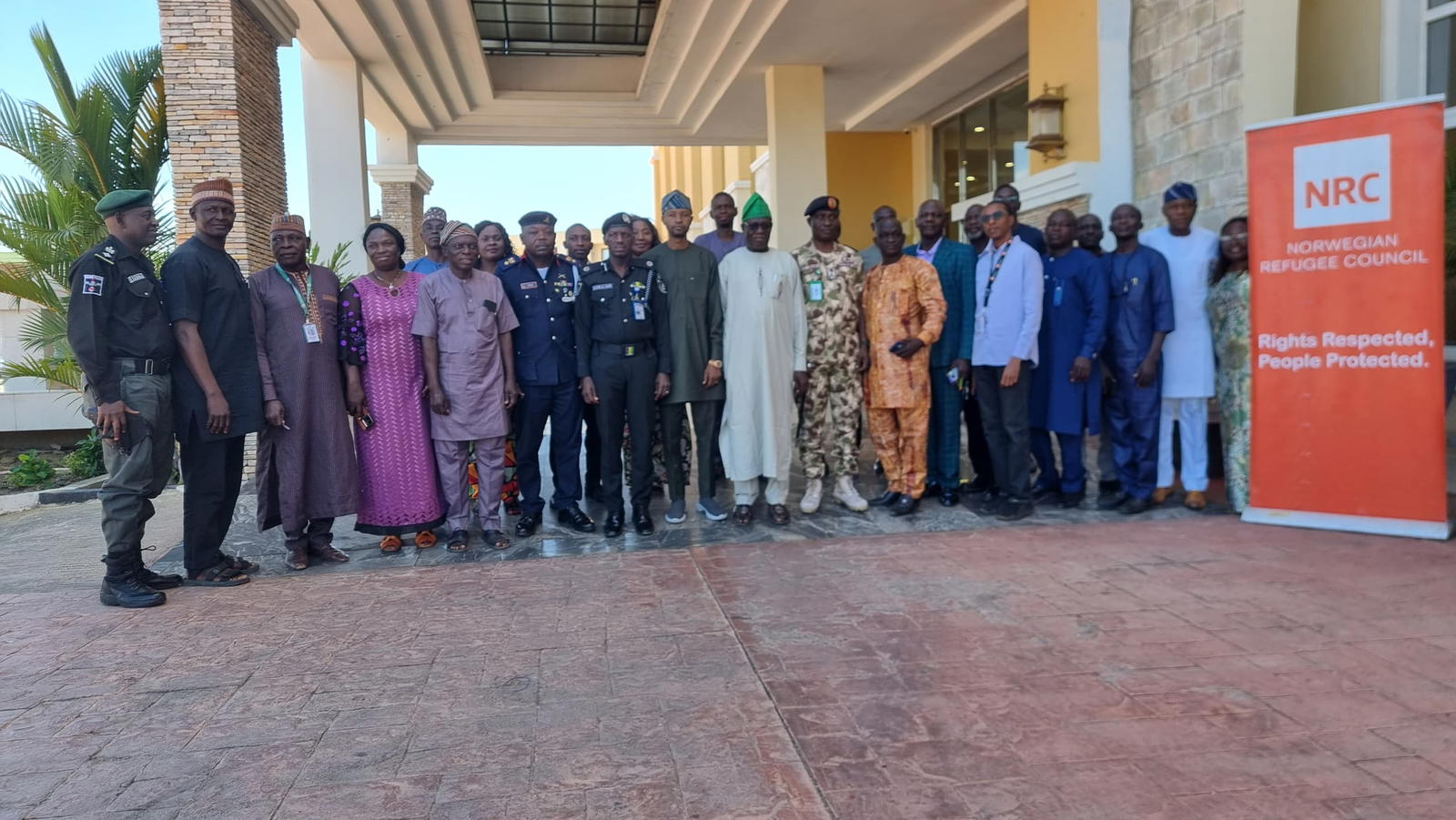
The meeting was to foster collaboration among various stakeholders, including government ministries, military and paramilitary, civil society organizations, and community representatives, to address the critical issues of safe schools in Plateau state.
Participants included representatives from the Military, Police, Nigeria Security and Civil Defense Corps, Vigilante, DSS, Ministries of Education, Budget and Economic Planning, SUBEB, All Nigeria Confederation of Principals of Secondary Schools (ANCOPS), Nigeria Union of Teachers (NUT), National Association of Proprietors of Private Schools (NAPPS), civil society organizations, traditional rulers, Development partners, INGOs, and the media.
The discussions centered on policy, and sustainable development, emphasizing the government and other stakeholders’ responsibilities in fostering sustainable safe school initiatives.
Disclaimer
Comments expressed here do not reflect the opinions of Vanguard newspapers or any employee thereof.