…Says $200m already invested in value chain, conversion Centres now over 140 nationwide
By Johnbosco Agbakwuru
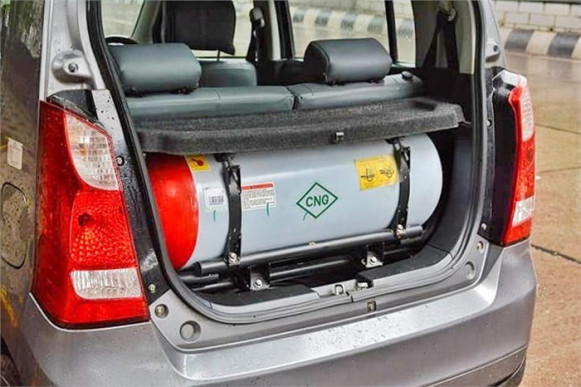
The Presidential CNG Initiative (PCNGi) announced on Wednesday that more than 100,000 vehicles have been converted from petrol to Compressed Natural Gas (CNG) since the initiative’s launch last year.
This initiative, introduced by the administration of President Bola Tinubu, aims to reduce the country’s dependence on expensive fuel while promoting cost-effective alternatives like CNG.
In a statement released by the Project Director/CEO of PCNGi, Engr. Michael Oluwagbemi, it was revealed that over $200 million has been invested in the CNG value chain, with 140 conversion centres now operating across the country.
The statement also addressed what PCNGi described as a “toxic debate” against the initiative in the media.
“To date, over 100,000 vehicles have been converted from petrol to CNG/bi-fuel-powered, and more conversion centres are being established across the country. Additionally, investors are ramping up the development and deployment of CNG infrastructure, with over $200 million already invested across the value chain, creating thousands of new jobs and economic opportunities,” the statement read.
PCNGi expressed concern over the misinformation surrounding the initiative, particularly regarding the choice of petrol over CNG, a move that could save Nigeria $3 billion while adding $2 billion in revenue to the national purse in the next few years.
The initiative’s leaders also addressed concerns about the ease of conversion. “We see this as an opportunity rather than a challenge. The number of conversion centres has increased from seven in 2023 to more than 140 nationwide. More than 2,000 Nigerians have already been employed in these centres, with more jobs expected as CNG adoption grows.”
Private sector investments of over 2 billion Naira have already gone into the establishment of these centres, with projections of an additional 6 to 10 billion Naira needed to set up up to 1,000 centres in total.
Clarifying recent incidents, PCNGi stated that the explosion in Edo State was caused by substandard, uncertified, and poorly fabricated CNG cylinders during a refueling attempt, not during the conversion process. The organization emphasized that CNG is safe, cleaner, and more sustainable than other fuels, being less explosive than petrol and diesel.
The statement also highlighted the ongoing expansion of CNG infrastructure, including the construction of 75 new daughter stations across the country. Investments in mother stations have reached over $175 million, with 65 new licenses issued in the past year.
In response to claims that conversion kits were unsuitable for older vehicles, PCNGi referenced successful adoption of CNG in countries like Egypt, India, and Iran, where old vehicles perform more efficiently on CNG than petrol.
PCNGi also defended the government’s leadership in the initiative, noting that the conversion program began with government institutions like the Nigerian Army and the Nigeria Police, with plans to expand to other MDAs, including the Federal Road Maintenance Agency.
Disclaimer
Comments expressed here do not reflect the opinions of Vanguard newspapers or any employee thereof.