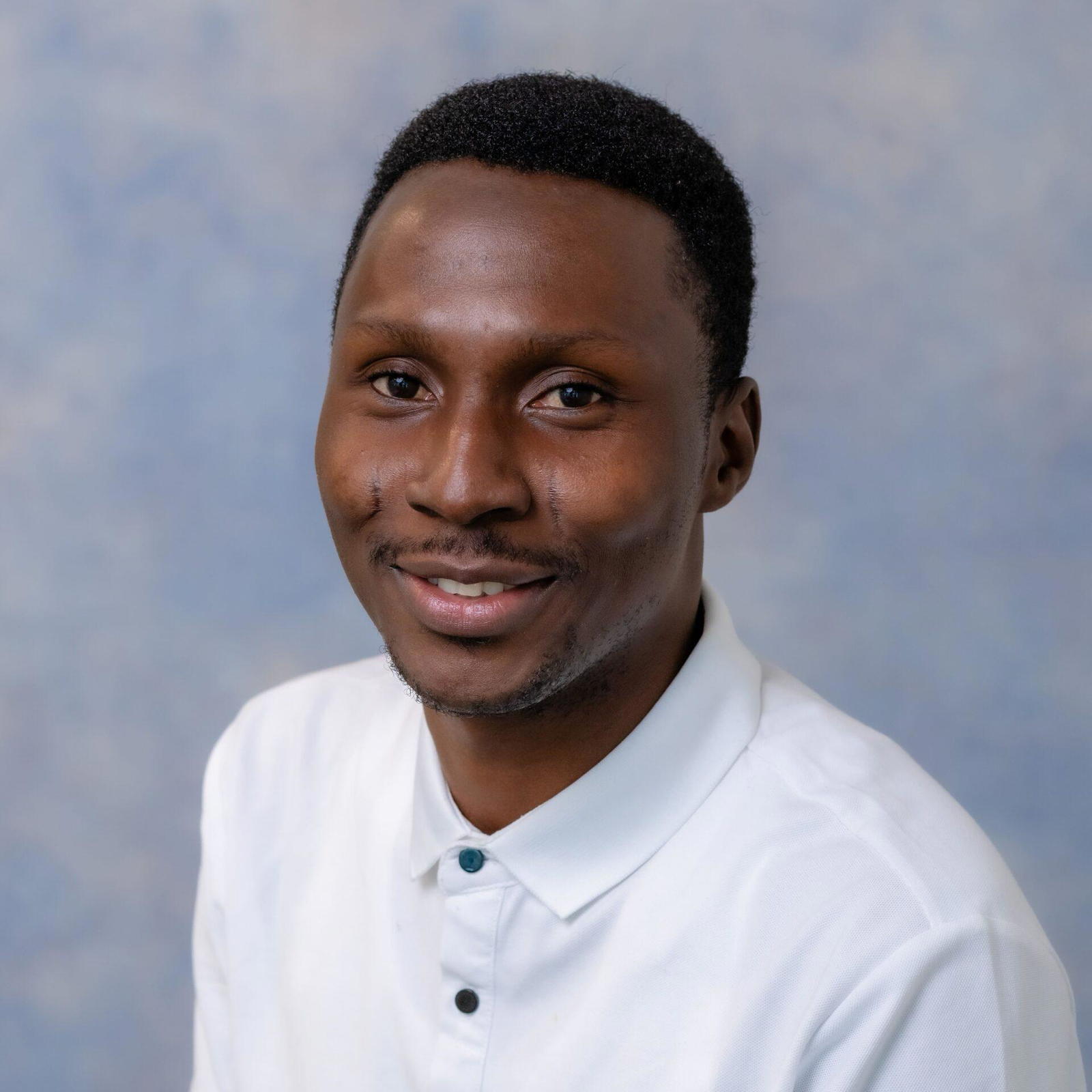
By Kenneth Oboh
Lateef O. Anifowose is a visionary among scientists venturing beyond the known toward groundbreaking discoveries in molecular cancer research. He is a dedicated researcher whose work in molecular oncology and computational drug discovery has gained international recognition. Focusing on cancer stem cell signaling, his approach presents a revolutionary framework for identifying molecular targets for therapeutic development and advancing precision oncology.
His journey as a dedicated researcher began at the Ladoke Akintola University of Technology, where he earned a Bachelor of Technology in Biochemistry. Born to parents from a maternal family renowned for its longstanding practice of herbal medicine, he enthusiastically led an undergraduate project in plant biochemistry to inquire about medicinal plants for treating endemic diseases from traditional medicine practitioners within Ogbomoso, Nigeria. Following his interest in molecular biology, he pursued a master’s degree in Biochemistry at the University of Ibadan, where his early research focused on manipulating plant adaptation to environmental stressors. His curiosity about how medicinal plant concoctions were harnessed to cure illnesses persists and sets a precedent for his future research efforts in cancer biology.
With great enthusiasm to impact lives through research, Lateef further advanced his expertise by pursuing a second master’s degree in biotechnology at the Egypt-Japan University of Science and Technology, where his research was fully funded by the Egyptian government and Japan International Cooperation Agency (JICA) scholarship awarded to top-class African scientists. There, he conducted impactful research in cancer therapeutics, honing his research skills in medicinal chemistry, computational biology, and molecular biology. Ranking among the top 10 most downloaded articles in the In Silico Pharmacology Journal in 2023, his computational drug discovery research drew significant attention globally. Also, his work on cancer drug repositioning to identify efficacious anticancer drug candidates to address the unmet therapeutic needs of cancer patients in Africa was presented at the International Conference on Biotechnology and Bioengineering in Italy. His ability to combine his computational modeling expertise with experimental validation has made him a highly valued voice in cancer therapeutics.
As a doctoral researcher at Virginia Tech, Lateef is contributing to pioneering research in targeted cancer therapy. His current research focuses on understanding the molecular underpinnings of cancer cell plasticity in the context of cancer stem cells. By elucidating key signaling pathways promoting quiescence in cancer stem cells, Lateef seeks to identify vulnerabilities to sensitize cancer stem cells to antiproliferative therapies. According to him, ‘The phenotypic switching of cancer cells into stem cell-like states is a plasticity that endows them with the ability to exit the cell cycle and become quiescent, an adaptive mechanism through which cancer stem cells evade chemotherapies, self-renew, and initiate tumor recurrence’. He aims to fast-track the discovery of potential drug candidates to target identified cancer stem cell maintenance pathways. He reiterates that the audacity of cancer cells to manipulate surrounding cells’ physiology and attain malignancy is appalling. He believes that cancer cells’ self-obsessed behavior is why cancer has emerged as an irrefutable problem in clinical medicine. A powerful Yoruba adage says: The squirrel exuberantly feeds on bananas, unaware that something pleasurable can also be deadly. Lateef’s research approach is to therapeutically target signaling pathways conferring cancer cells with their inherent plasticity.” Additionally, Lateef is partnering with collaborators in Nigeria to offer training in computational biology to basic and applied sciences students across Nigeria’s tertiary institutions. By providing tailored mentorship to aspiring scientists, Lateef aims to inspire next-generation cancer researchers to increase the momentum in the fight against this life-threatening disease.
Forging ahead, Lateef envisions a future where precision oncology and computational biology become accessible to all, eliminating regional disparities in the fight against cancer. In the long term, Lateef aims to establish a translational research hub that integrates computational drug discovery and experimental therapeutics, overcoming the barriers between In Silico drug discovery and real-world clinical applications. At the global stage, Lateef is advocating for increased representation and skill-building in cancer research within underserved regions. Lateef strongly affirms that the only condition for which no cure exists is death, and he is excited about the prospect of targeting tumor heterogeneity through precision medicine and making this devastating disease a curable health concern.
From his standpoint, metastasis accounts for most of the cancer mortality. In his judgment, leaving the primary tumor site to distant organs is an incredibly challenging exercise for cancer cells themselves. In fact, many cancer cells do not survive this journey due to the biological barriers they encounter. Lateef is poised to leverage his understanding of cell communication and cell signaling to restore sanity in cellular behavior. His efforts have the potential to redefine the cancer therapeutics landscape and bring renewed hope to millions worldwide. He imagined an era where a cancer diagnosis, regardless of location, would no longer equate to a death sentence.
Disclaimer
Comments expressed here do not reflect the opinions of Vanguard newspapers or any employee thereof.