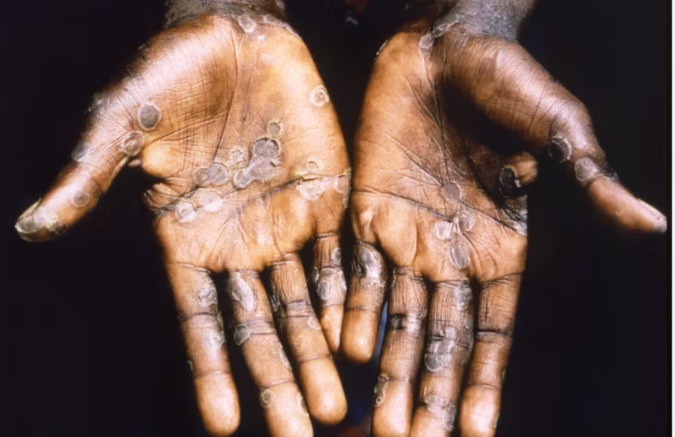
Mpox, previously known as Monkeypox, is a viral zoonotic disease caused by the Mpox virus, a member of the Orthopoxvirus genus. While it is related to smallpox, Mpox is generally less severe. However, it can still pose significant health risks. The disease primarily affects animals, but it can be transmitted to humans, leading to outbreaks that have raised alarms worldwide.
Transmission of Mpox occurs through direct contact with infected animals, humans, or contaminated materials. It can spread via respiratory droplets during prolonged face-to-face contact, as well as through skin lesions, bodily fluids, or contaminated surfaces. The virus’s ability to spread in close-knit communities has heightened concerns, especially in populations with limited healthcare access.
“In July 2022, the DG of World Health Organisation, WHO, Dr Tedros Adhanon Ghebreyesus, declared Mpox a global emergency amid rapidly escalating cases across multiple continents. This decision has just been further reinforced based on the virus’s unprecedented spread outside its endemic regions, notably in Africa, where it was traditionally confined.
Reports indicate thousands of infections in countries previously unaffected, raising fears of a global pandemic reminiscent of COVID-19.“As of date, 208 deaths and about 100,000 cases of Mpox have been reported globally, with a mortality rate of approximately 1-10%, depending on the region and health infrastructure. While most cases occur in Africa, particularly in the Democratic Republic of the Congo, DRC, and Nigeria, the recent outbreaks have impacted Europe, North America, and Asia, emphasising the need for a coordinated global response.“
The risks of contracting Mpox are heightened in areas with limited healthcare resources, where vaccination and treatment options may be sparse. Individuals who engage in close contact with infected persons, such as healthcare workers or family members, are particularly vulnerable. Additional risks include travel to endemic regions, where wildlife interactions may occur.“
To mitigate the spread of Mpox, public health authorities must implement rigorous precautions, including vaccination for at-risk populations, public awareness campaigns, and enhanced surveillance systems. Proper hygiene practices, such as frequent hand-washing and avoiding close contact with infected individuals, are crucial.“In Nigeria, preparing against Mpox requires a multifaceted approach.
Strengthening the healthcare system is vital, especially given the existing shortage of medical professionals. Training programmes for healthcare workers and community health education can enhance the capacity to identify and manage Mpox cases effectively. Furthermore, establishing rapid response teams and improving laboratory testing capabilities will be essential for early detection and containment.
While the challenges are significant, a proactive approach can help Nigeria and other affected regions cope with threats posed by Mpox. Collaborative efforts between governments, international organisations, and local communities will be pivotal in managing the outbreak and safeguarding public health for the future.
Disclaimer
Comments expressed here do not reflect the opinions of Vanguard newspapers or any employee thereof.