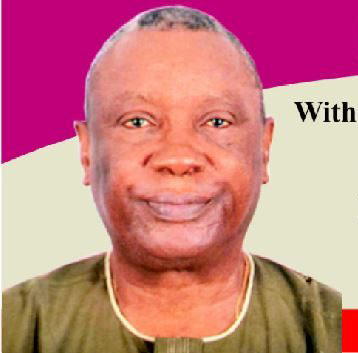
From last week, continues the narrative of the transition of the old National Anthem to a new one, the roles played by different individuals in this process, including Professor Julius Ihonvbere, one of Obasanjo’s speech writers as president.
While Mr. Ad’Obe Obe published a book, A New Dawn, in three volumes, Professor Ihonvbere published Standing Tall. In a foreword to the book, which was published in March 2005, he declared: “Politics is more than just elections, counting the votes and being sworn into office. To be sure, these aspects of politics are important. However, in developing social formations, politics should and must be about people, community and society. Politics must reflect the basic elements of service, mobilisation, education, inclusion, and healthy competition for power. It must be about platforms and programmes as well as training for new leaders.
“Politics must be an opportunity for the marginalised and voiceless to reach some accommodation with their leaders and for political parties to identify, select and present the best candidates for political office. Electioneering campaigns, though ultimately about the contestation for power, should be about healthy rivalry, articulation, processing and delivery of realistic and sustainable programmes that will impact on and improve the lives of the majority. Finally, politics, in plural societies like Nigeria, must be about opportunities to construct and nurture bridges between not just the islands of integrity but also between communities and constituencies.
“Unfortunately for many countries, they never go near these attributes or features of politics. Political opportunities are simply squandered on the altar of political greed and rascality, policy indiscipline, intolerance, limited vision, and the subversion of a sense of a nation. The net result, quite often include the delegitimation of the state, its institutions and custodians, the reification and abuse of power, misplaced priorities, instability, corruption, and uncertainty. The implications of these trends and tendencies are very well known to many Nigerians as have gone down this path before.
“However, history can be kind to a people, though not for too long. Some lucky nations even get a second chance to put things right, learn from the past; restructure the present and reposition society for a progressive future. This is the case with Nigeria. We are getting not just a second, but a third chance to reposition the country for the greatness that God has rightly given to us and for which we have sacrificed so much in the past.
“There are, of course, several obstacles to repositioning Nigeria for growth, stability, and democracy. First, is the rather pedestrian understanding of democracy. Often, Nigerians confuse it with its ephemeral features, thus neglecting the deepening and grounding that is required for consolidation and sustainability. Second, is that the long years of military dictatorship, political rascality among the elites, insensitivity to the plight of the poor and the cultivation of culture of waste and corruption had built in the people an attitude of ‘I know everything’, ‘all public officers are thieves’, ‘it will soon fail’, and ‘dem go soon taya’.
“Trust, tolerance, mutual support and confidence have been eroded from the system through bas governance and poor leadership.”
To be concluded
Disclaimer
Comments expressed here do not reflect the opinions of Vanguard newspapers or any employee thereof.