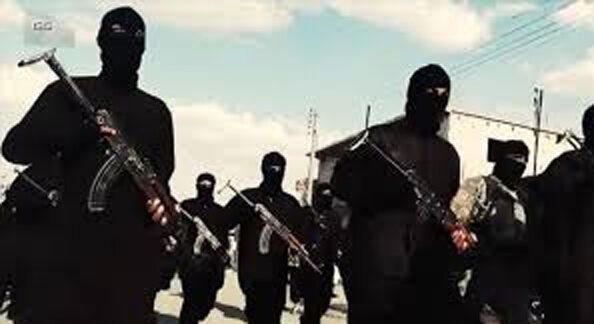
File image.
It is so perturbing that Nigeria has been able to prosecute only 300 out of more than 50,000 jihadist terror suspects. The confirmation of this figure by the Director General of the Nigerian Army Resource Centre, NARC, retired Major General Garba Wahab, at a round table discussion forum in Abuja recently, put it beyond fiction.
This figure further confirms the suspicion that Nigeria’s failing status touches on every aspect of life. The criminal justice system is in shambles. The backlog of cases of awaiting trial terrorists could get to a breaking point where the state might completely lose total control of the situation, which will spell anarchy.
Wahab blamed the Judiciary for its inability to speedily prosecute the suspects whom he referred to as “hardcore terrorists”. Even if the courts were in a position to speedily dispense justice, which jails can house the humongous number of convicts? Nigeria has not built many new prisons beyond the 256 or so we inherited from the British colonialists when our population was less than 60 million.
Today, the population has risen to about 220 million. Crime and insecurity have grown in size and sophistication, yet our criminal justice system has not been developed to serve our contemporary needs.
More worrisome is the fact that some terror groups have not even been properly profiled as such. Muhammadu Buhari’s government foot-dragged for a long time before reluctantly accepting the fact that the “bandits” were terrorists too. Till today, armed herdsmen who have been killing farmers, stealing their lands and displacing indigenous communities have never been properly designated as terrorists. Their sustained attacks on farmers are officially called “clashes”.
The situation of inability to dispense justice will definitely worsen if the right things are not done.
It is myopic to shift the blame to the Judiciary or any single institution of government for this situation. The system needs a complete overhaul and restructuring. Wahab’s call for the decentralisation of military responses to the Battalion or state military formation level is an element of devolution of powers which we have advocated for a long time.
According to the retired General, Battalions should be allowed to tackle upcoming security threats rather than wait till they develop to the point where the Divisions will be required to step in. We have advocated for a similar measure whereby policing and correctional services will be decentralised for a more effective control of crime and security threats.
If done, these institutions can synergise with the military and local vigilantes for security and crime prevention. The centralised system is working against the well-being of Nigeria. The Federal Government alone can no longer shoulder the security challenges of this country.
More power must be devolved to the peripheries; to the people.
Disclaimer
Comments expressed here do not reflect the opinions of Vanguard newspapers or any employee thereof.