On May 30, 1967, fifty-seven years ago, the secessionist Republic of Biafra was declared by Lieutenant Colonel Chukwuemeka Odumegwu Ojukwu, the then governor of Nigeria’s Eastern region.
My family was personally involved in the civil war because my father was Ojukwu’s ambassador in London. Onyekachi Wambu’s family was also involved.
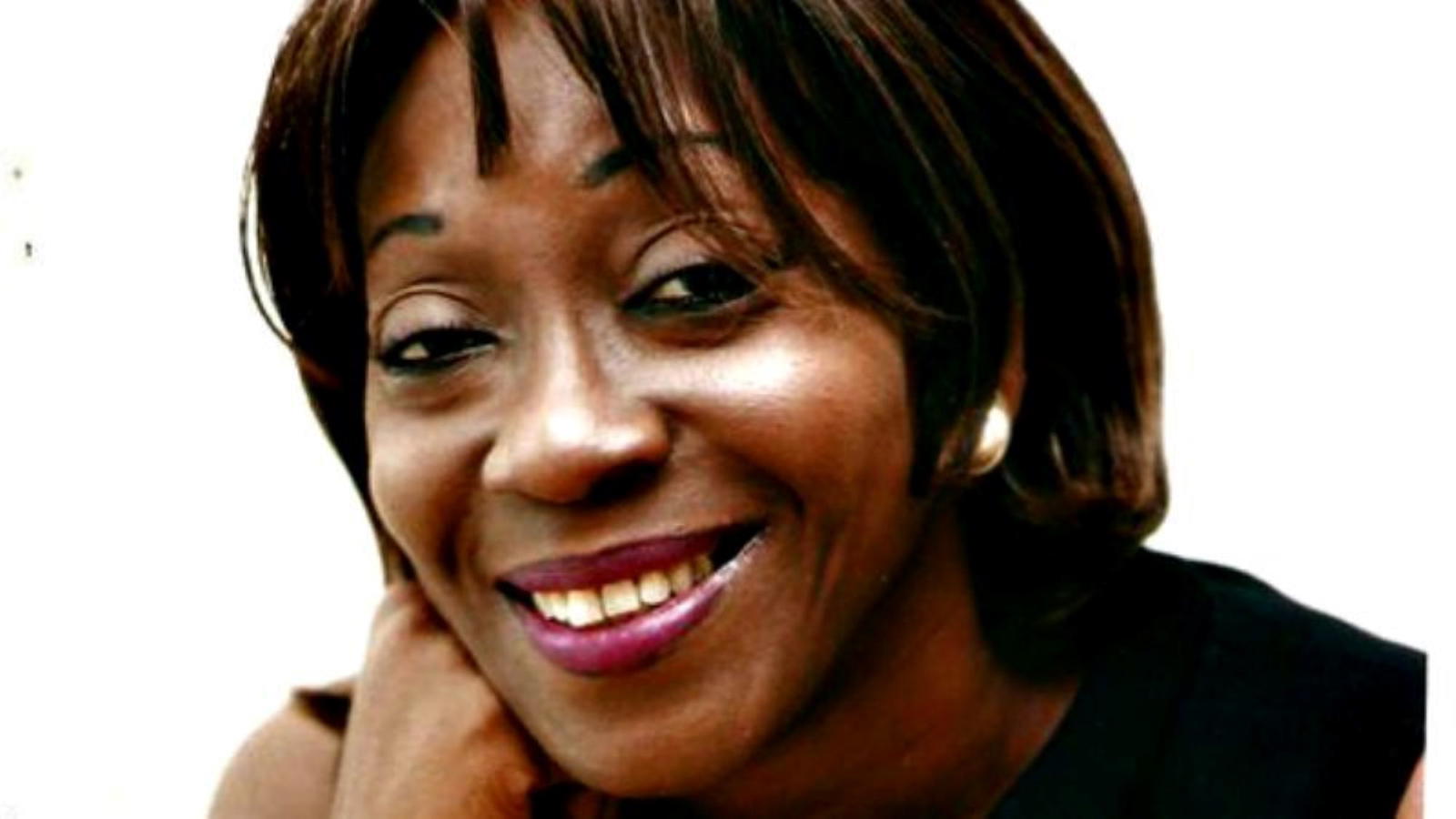
Onyekachi is a journalist, writer and television producer, who arrived in the UK after the war. He has directed documentaries for the BBC, Channel 4 and PBS. His publications include – Under the Tree of Talking, Leadership for Change in Africa (2007 Ed) and Empire Windrush: Reflections on 75 Years and More of the Black British Experience. He works for the African Foundation for Development, AFFORD – a charity with a mission to expand the contributions that Africans in the diaspora make to Africa’s development.
Please find below some reflections he sent me when I asked him whether he shared my view that there should be a Biafra memorial museum in Abuja or Lagos.
A MEMORIAL FOR GOOD NEIGHBOURLINESS
In addressing any discussion for a civil war memorial I should first declare an interest. My father was one of the victims of the Biafran war, alongside millions of those from the former Eastern Region.
He disappeared, while we were fleeing from our final refuge, three weeks before the end of the war. There was no body, and for years, no closure. Just a long unimaginable silence, and an inability amongst the survivors to discuss his death, or even the larger war, that had broken and traumatised so many families.
Eventually at the beginning of the new century, over 30 years after his death, we managed to come together as a family and achieve closure – a grave without a body, a remembrance of a much-loved husband and father, who was respected by the wider community, a Burma war veteran the Kings African Rifles, Eastern region trade diplomat in London and later, District Officer for the former Eastern Region. It was a small, lowkey memorialisation of sorts. A man lived, his family and friends mourned him!
However, there was a sense of palpable anxiety, perhaps even terror, hanging in the air, as his spirit was laid to rest. We hesitated about any possibility of linking his singular death to the millions of others who had perished; about discussing the broader meaning of his death and the Biafra war; about the possibility of a social memorial, even in the Eastern Region to the fallen.
Would such a public social memorialisation destroy the delicate peace and reconciliation that allowed former Eastern reintegration via the ‘no victor, no vanquished policy’? Especially, since during the reintegration period, many of us encountered many compatriots from the Federal side who had also lost loved ones before and during the civil war and who must have been similarly, grieving.
I think particularly of a friend, Saddik Balewa, whose own father was brutally cut down in the first coup, and who was left like me, fatherless.
Such sensitivities about the multiple controversial implications of social memorialising rapidly collapsed in the last two decades following our own small act of closure.
The silence that millions, like us, had discreetly maintained around the civil war, detonated, as a torrent of books, films, conferences appeared, against the continuing backdrop of other conflicts and insurgencies that also revealed that the issues (i.e dysfunctional constitutional order, corrupt and venal politicians, ethnic rivalry, broken social contract, poor dispute resolution processes), that led to the coup crises beginning in 1966 and ending with the civil war in 1967, had still not been adequately addressed.
So many have died in the last 64 years – in the coups and post-coup conflicts, the civil war, communal violence between religious and ethnic groups, conflicts in the Niger Delta, Boko Haram, IPOB and Biafra-2.0, herders and farmers confrontations, ruthless political manoeuvrings in the search for power and control of oil resources, etc, so many deaths – so much blood, so much meaningless to these deaths, with no attempts at memorialising them, even nationally acknowledging them.
In the old Igbo religion, it was considered an abomination to the land, to shed the blood of kin. The volume of blood shed so far in Nigeria must be polluting the twin rivers in our crest and despoiling the land. Might a national memorial to all these deaths provide a site of atonement and meaning for those of us who remain, as we strive to construct this giant of Africa, that even other Africans, dare us to secure?
During a private conversation where he and I were discussing all the various insurgencies, querulous agitations for separation and general unhappiness with Nigeria from various communities, the celebrated author, Chinua Achebe, provided a moment of pure wisdom, lucidity and light. He remarked that even if all these communities achieved the independence and secession they sought, they would all nevertheless remain neighbours!
All of us in this part of the Niger Area had been neighbours for thousands of years and would always remain so – the real quest for us all should be on good neighbourliness and how we achieve it.
A national memorial to good neighbourliness is much called for, giving meaning to the lives vanquished and lost in the construction of this gigantic Niger (Area) national project.
A properly devolved and well governed polity would also allow regions, states, cities, towns, villages and even households, room, to also acknowledge and memorialise their own loss in their own way, as we accomplished with my father’s funeral.
DONU’S WORLD
I have a new YouTube channel. It’s called DONU’S WORLD.
https://youtube.com/@donukogbara?si=bBm_IPdFZ_wUyKYq
Check it out every Friday to watch me talking about my life and issues that interest me. And please “like”, subscribe and share!
Today, I summarise my attitude towards the errant British Prince, Harry, and his half-black American wife, Meghan, who recently visited Nigeria as guests of the Chief of Defence Staff. My main beef with them is my belief that they don’t take Family Values seriously enough.
I also talk about loneliness – a malaise that afflicts millions of people worldwide, including me from time to time.
RESPONSES TO [email protected] or to 0805 404 6887. (TEXT ONLY). PLEASE NOTE THAT UNLESS YOU REQUEST ANONYMITY, YOUR EMAIL OR TEXT MAY BE PUBLISHED WITH YOUR NAME AND CONTACT DETAILS ATTACHED.
Please listen to my podcast AfricaHere&NOW.
YouTube.com/@AfricaHereAndNOWPodcast
http://Www.africahereandnow.com
It can also be accessed via Spotify and Apple podcasts
Disclaimer
Comments expressed here do not reflect the opinions of Vanguard newspapers or any employee thereof.